


 العربية
  English (UK)
  Русский
  日本語
日本語  한국어
한국어  Magyar
  Türkçe
  Español
  Čeština
  Svenska
  Português
  Ελληνικά
  Suomi
Suomi  Nederlands
  Română
  Italiano
  Français
  Polski
  Українська
  Deutsch
  简体中文
简体中文  Slovenčina
 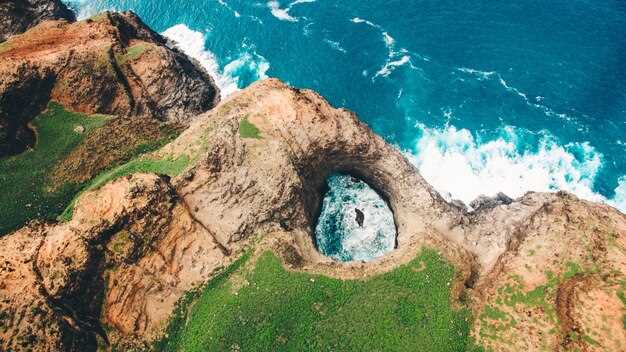 Discover the Wonders of the South Pacific – Australia’s Islands">

**برنامج رحلة فاخرة بين جزر ويتصنداي لمدة 7-10 أيام، مع إعطاء الأولوية للإقامات المريحة والتنقلات الفعالة:**. تضم المجموعة حوالي 74 جزيرة، إلا أن معظم الزوار يركزون على مجموعة أساسية بالقرب من إيرلي بيتش. من المدينة التي تعتبر بوابة الدخول، يمكنك الوصول إلى جزيرة هاميلتون وجزيرة دايدريم وهايمن في غضون 30-60 دقيقة بواسطة قطمران سريع أو 15-20 دقيقة بواسطة وسيلة نقل خاصة. راقب الأفق بينما تشق القوارب الشراعية طريقها بين الشعاب المرجانية ويتغير الخط الساحلي مع المد والجزر.
Luxury نزل في هاميلتون وهايمان يقترن مع extras مثل الغوص الخاص المصحوب بمرشد، ورحلات السفن عند غروب الشمس، وعلاجات السبا داخل الغرفة. وتحمل الجزر الكثير untouched الساحل والبعد يخلقان صباحات هادئة مع عدد قليل من القوارب في الأفق. بالنسبة للمعدات، أنت بحاجة إلى storage حلول وحقائب صغيرة الحجم؛ توفر العديد من المنتجعات تخزينًا آمنًا لتبسيط عمليات النقل. إذا كنت تفضل ذلك، نقترح ترتيبًا مرنًا لزيارات الجزيرة بناءً على المد والجزر والطقس. نصيحة احترافية: احزم سترة خفيفة وزجاجة مياه قابلة لإعادة الاستخدام لتقليل النفايات.
التنقل بين الجزر أمر في غاية السهولة: تربط عبّارات سريعة بين هاميلتون وجزيرتي ديدريم وهيمان في غضون 20–40 دقيقة، بينما تقلل القوارب الخاصة تلك المدة إلى حوالي 15 دقيقة. سواء كنت تفضل قضاء يوم بصحبة مرشد على قمة جبل أو الاستمتاع بكهف خاص على شاطئ إحدى الجزر، فسوف تنعم بتنوع فريد. فلكل جزيرة طابع مميز مع تغير الأفق وتحليق الطيور فوق البحيرات الشاطئية.
إذا امتدت خريطتك إلى ما وراء جزر ويتصنداي، ففكر في جزيرة كانغارو قبالة الساحل الجنوبي. فهي تقدم محميات للحياة البرية مذهلة، ومنحدرات بحرية، و luxury نُزُل مع extras مثل الجولات الساحلية الخاصة. تستغرق الرحلة من أديلايد حوالي 1.5-2 ساعة؛ ويناسب قضاء 4-5 أيام هنا بشكل جيد مع قوس الجزيرة الشمالية، مما يوازن بين العزلة والاتصال.
لتحسين الخطة، احسب عدد الليالي والانتقالات التي تقبلها؛ يقدم بعض المشغلين تصاريح مواقع متعددة مع تسجيل وصول واحد، مما يقلل المتاعب. خط سير الرحلة مرن، ويمكنك تعديل الوتيرة لتتناسب مع الطقس ومستويات الازدحام. تعني العزلة أنه يجب عليك الحجز extras مثل تناول الطعام الخاص والانتقالات بطائرات الهليكوبتر مسبقًا بوقت كافٍ، واحتفظ بجدول زمني مرن في حالة ظهور فرصة سانحة لمشاهدة غروب الشمس.
دليل التوظيف والتأجير لرحلات جزر جنوب المحيط الهادئ

انطلاقًا من القاعدة في ديناراو أو سوفا، استأجر قبطانًا مرخصًا وطاقمًا كاملًا قبل الاستئجار؛ تحقق من شهادات السلامة والتأمين والامتثال للوائح المحلية. هذا النهج يسرع الاستعدادات للعبور ويضمن وجود أيدٍ خبيرة لطرق مامانوكا وليفو.
- تكوين الطاقم وأدواره
- القبطان: يقود الملاحة، ويتخذ القرارات المتعلقة بالطقس، ويضمن الامتثال للوائح.
- المساعد الأول: الإشراف على سطح السفينة، والتعامل مع الحبال، وضمان سلامة الضيوف على سطح السفينة، وفحص الأنظمة.
- طاهي/مضيف: تموين، خدمة المطبخ والتدبير المنزلي اليومي.
- مهندس/فني: يتولى صيانة المحركات والمولدات والمعدات الكهربائية للحفاظ على سلاسة الحياة على متن السفينة.
- خيارات ومواثيق الاستئجار
اختر بين الترتيبات التي تتضمن طاقمًا كاملاً أو قائدًا فقط أو الترتيبات المختلطة. إذا كنت جديدًا في الإبحار، فابدأ بخيار القائد فقط لتتعرف على المياه، ثم قم بالترقية إلى طاقم كامل في رحلتك التالية. تغطي الرحلة البحرية الكاملة الملاحة والمؤن والوجبات والتنظيف، مع دفع سعر أسبوعي واحد بالإضافة إلى المؤن.
- التكاليف والرسوم والميزانية
تختلف رسوم استئجار القوارب الأساسية النموذجية حسب حجم القارب والموسم. بالنسبة لقارب يتراوح حجمه بين 40 و 45 قدمًا، توقع دفع ما بين 4,000 و 6,000 دولار أمريكي في الأسبوع في الموسم المنخفض، وما بين 8,000 و 12,000 دولار أمريكي في الأسبوع في أشهر الذروة. تضاف تكاليف المؤن والوقود ورسوم المرسى أو الإرساء والإكراميات للطاقم إلى الإجمالي. يشمل بعض المشغلين رسوم المرسى الأساسية وتبديل الطاقم في منتصف الرحلة؛ بينما يقوم البعض الآخر بفواتير منفصلة لتلك الرسوم. توقع قدرًا كبيرًا من التباين بناءً على لمسات الوجهة مثل تجمعات مامانوكا أو سواحل ليفو.
- اعتبارات التخطيط والظروف الجوية لعبور الحدود
خطط للعبور بحيث تتزامن مع الفترات الأكثر هدوءًا، مع بقاء ملاح موثوق به على سطح السفينة. عادةً ما تستغرق التنقلات القصيرة بين أماكن مثل جزر مامانوكا من ساعة إلى 3 ساعات، في حين أن المسافات الأطول باتجاه ليفو أو الجزر الصغيرة الخارجية قد تستغرق من 4 إلى 8 ساعات، اعتمادًا على الظروف. ضع خطة طوارئ واحمل أجهزة راديو احتياطية؛ فالمياه الزرقاء للمحيط الهادئ قد تفاجئك، حتى عندما تبدو المناظر طبيعية خلابة طوال اليوم.
- اللوائح والسلامة وآداب السلوك البيئي
يُرجى احترام اللوائح المحلية المتعلقة بالمناطق المحمية، وأماكن إرساء السفن، وإدارة النفايات. واستخدام أماكن الإرساء المعتمدة في الخلجان المنعزلة، وتجنب الإرساء على الشعاب المرجانية. يجب على الطاقم إجراء تدريبات السلامة الروتينية، والإبقاء على سترات النجاة في متناول اليد، واتباع إجراءات الحرائق وحالات سقوط شخص في البحر لحماية الأرواح على متن السفينة.
- أفكار خط سير الرحلة ومواقع الارتكاز
ابدأ بالقرب من قاعدتك في ديناراو، ثم انطلق برحلة بحرية إلى مجموعة مامانوكا للغطس والشواطئ الجميلة. الجزر تشعرك بأنها جنة. ابحث عن الخلجان المنعزلة ذات المياه الزرقاء الصافية حيث يمكنك أن تجد مناظر طبيعية هادئة وحياة غنية على الشاطئ. استهدف 4-5 أماكن في الأسبوع، مع ترك مساحة للالتفافات المرنة إذا تغير الطقس.
- توفير المؤن والإعاشة، والحياة على ظهر السفينة، والرحلات الشاطئية
التنسيق لتوفير المؤن مرتين أسبوعياً مع الموردين المحليين؛ اطلب من الطاقم التعامل مع الأسماك والفواكه والخضروات الطازجة من الأسواق في القواعد المحلية. على سطح السفينة، حافظ على ترتيب الحبال، واحترم خصوصية الضيوف، واستمتع بالإيقاع البطيء والمثالي لحياة الجزيرة، بينما تراقب الحياة البحرية وإطلالات غروب الشمس الممتعة من سطح السفينة.
كيف تختار خيار الطاقم المناسب لخط سير رحلتك
اختر رحلة استئجار بطاقم مع وجود قبطان وطاهٍ على متنها. تتراوح أسعار اليخت متوسط الحجم تقريبًا 800-1200 يوميًا, ، وتغطي القيمة الوجبات والملاحة والانتقالات بين الموانئ، بحيث تقضي مجموعتك وقتًا أطول في الاستكشاف ووقتًا أقل في التخطيط.
إذا كانت خطة رحلتك تستهدف الأراضي الشمالية في جميع أنحاء جزر فيجي الشهيرة، بما في ذلك مامانوكا وتافيوني، يحرص طاقم كامل على إجراء فحوصات الطقس، والإرساء، وتوفير المؤن بسلاسة ويمكن التنبؤ بها، مما يتيح لك التنقل بين كلاهما أزرق البحيرات الشاطئية والخلجان المحمية بكل سهولة.
تتوفر ثلاثة مستويات من الطاقم لمعظم المجموعات: قبطان فقط للميزانيات المحدودة، أو ربان بالإضافة إلى مساعد للمزيد من الأيدي العاملة، أو طاقم كامل يضم طاهيًا ومضيفًا يتولى مسؤولية المطبخ والتموين. مع الاستئجار، تكتسب مرونة كافية لتصميم المسارات اليومية والوجبات والمغامرات الشاطئية حسب الطلب؛; источник يؤكد المشغلون المحليون أن هذا النهج يحافظ على الإنتاجية اليومية في الماء.
الميزانية والوتيرة: تختلف التكاليف اليومية حسب حجم الطاقم ونوع القارب والموسم. إذا كنت تتوق إلى تجارب جزيرة حقيقية عبر سلسلة الجزر الأسترالية، بما في ذلك فيجي، فإن وجود طاقم كامل يُسهل المزيد من المغامرات التي لا مثيل لها، والخدمات اللوجستية الأكثر سلاسة، والمأكولات المتناسقة، بينما تظل الأسطح مريحة لمشاهدة غروب الشمس بعد يوم من الاستكشاف. تبقى درجة الحرارة في هذه المنطقة لطيفة معظم أيام السنة، وحتى اليخوت المتواضعة يمكنها تغطية مساحة كافية لإرضاء معظم المسافرين، وتجنب النهج الشائع لمسارات التأجير الذاتي.
أفضل أزواج الجزر لتحقيق توازن في مسار جنوب المحيط الهادئ
يمكنك الجمع بين جزر مامانوكا وجزر ياساوا في فيجي للحصول على مسار متوازن. يقدم هذا المزيج مجموعة من التجارب: شواطئ خلابة، وبحيرات ضحلة نقية، والكثير من المرافق لراحتك. توفر جزر مامانوكا سهولة التنقل بين الجزر وأيام الشاطئ المفعمة بالحيوية، بينما تكشف جزر ياساوا عن خلجان أكثر هدوءًا وحياة مرجانية غنية. خطط للإقامة من 2 إلى 4 ليالٍ في كل جانب، واستفد من الطقس على مدار العام، حتى تتمكن من تكييف مغامراتك حسب الحاجة. في جميع أنحاء فيجي، يرحب الفيجيون بالزوار بحفاوة. الأرقام مهمة هنا: سجل رحلاتك الجوية والعبّارات لتقليل وقت التوقف.
بولينيزيا الفرنسية: مزيج بين موريّا وبورا بورا ابتكر قوسًا فاخرًا ومدمجًا في جزر المجتمع. ستصادف بينهما عجائب أيقونية وثراء في الحياة، من البحيرات الفيروزية إلى الأكواخ فوق الماء. تستغرق الرحلات الجوية حوالي 30-50 دقيقة وهي متكررة على مدار العام، مما يسهل تبديل الوتيرة. توقع 2-3 ليالٍ في موريا و3-4 ليالٍ في بورا بورا، مع أنشطة تشمل الغطس مع أسماك المانتا في قنوات محمية، ورحلات بحرية في البحيرة، وعشاء عند غروب الشمس. يمنحك هذا الاقتران أيضًا شيئًا لا يمكنك تفويته: وهج غروب الشمس فوق الشعاب المرجانية البكر الذي يبدو حصريًا دون أن يكون متصلبًا.
في فانواتو، تقدم إسبيريتو سانتو + تانا تبايناً وعراً يحافظ على توازن الرحلة بين الطبيعة والثقافة. توفر سانتو شعابًا مرجانية نقية، وبحيرات زرقاء، وأنظمة كهوف؛ بينما تقدم تانا بركانًا نشطًا وقرى تقليدية وتجارب في مظلة الغابات. تشمل مجموعة المغامرات الغطس والتجديف بقوارب الكاياك والمشي المصحوب بمرشدين في القرى، وكلها تستضيفها المجتمعات المحلية على مدار العام مع التركيز على احترام الأرض. تربط الرحلات الجوية الداخلية الجزر في حوالي 50-90 دقيقة، مما يسهل التنقل والحفاظ على الرحلة مدمجة.
تتّحد جزر وايت صنداي الأسترالية مع جزيرة ماجنتيك لتشكّل خاتمة مشمسة وملائمة للقوارب. تعرض جزر وايت صنداي شواطئ جميلة مثل وايت هيفن، والشعاب المرجانية، والجولات السياحية المفعمة بالحياة، مع العديد من الخيارات للإبحار والانتقالات بين الجزر ووسائل الراحة المريحة. تضيف جزيرة ماجنتيك مسارات المشي لمسافات طويلة، ومشاهدات الكوالا، والإطلالات الخلابة، مما يوفر وتيرة ألطف بين أيام الشعاب المرجانية. خطط للإقامة 2-4 ليالٍ في كل جانب، واستمتع بالمناخ الدافئ للمنطقة على مدار العام حيث تحافظ النسائم على الأجواء المبهجة. تثبت هذه الجولة أنه يمكنك العمل ضمن جداول الرحلات المزدحمة ولا يزال لديك رحلة لا تُنسى وغنية على طول جزر أستراليا.
نوافذ الأحوال الجوية الموسمية وأحوال البحر حسب الجزيرة
Choose May–Sept for Whitsunday sailing to enjoy calm seas, clear lagoons, and reliable winds.
-
Whitsunday Islands (Queensland)
- Best window: May–Sept, the core dry season with sunny days and minimal rainfall.
- Sea and winds: SE trade winds usually 10–20 knots; offshore swells 1–2 m, yet many anchorages stay glassy in lee channels.
- Water temp and visibility: 23–28°C; visibility 20–30 m, ideal for snorkeling around sheltered lagoons and sandy lagoons near reef passes.
- Activities and access: sailing and snorkeling are easy from Airlie Beach; day trips and multi-day charters common; boat charters include mooring fees and National Park access fees in some cases.
- Notes: Cyclone season runs Nov–Apr; plan with local experts and check forecasts; the horizon opens to unparalleled wildlife and culture of coastal communities.
-
Fraser Island (K’Gari)
- Best window: May–Sept for dry air, gentler seas, and easier access to freshwater lagoons like Lake McKenzie; wildflower season also appealing in spring.
- Sea and winds: SE trades around 15–25 knots; coastal inlets stay calm, outer swell can pick up late spring.
- Water temp and visibility: 20–26°C; visibility 5–15 m in inlets, clearer near lagoons.
- Activities and access: 4WD beach cruising, coastal snorkeling near shipwrecks, guided hikes; national park zones require permits; harbour and mooring fees exist for some charters.
- Notes: Local experts highlight safe beach driving, respect for indigenous and national park culture; conditions vary across shorelines, plan for weather changes.
-
Kangaroo Island (South Australia)
- Best window: Oct–Apr, when air is warmer and sea winds are more predictable; spring and autumn offer calmer seas in protected coves.
- Sea winds: SE to NW breezes 12–22 knots; south coast can see larger swells in winter; the north coast stays relatively gentle.
- Water temp and visibility: 16–22°C; visibility 6–15 m around reef systems near Lincoln and Investigator channels.
- Activities and access: kayak along sandy shores, boat tours to sea caves, wildlife cruises; lagoons along the west coast are scenic.
- Notes: Park entry fees and guided tour fees apply in national parks; culture and coastal heritage carried by local operators; experts advise early bookings to secure permits for restricted areas.
-
Lord Howe Island (New South Wales)
- Best window: Apr–May and Sep–Nov provide mild temps, gentle seas, and clear air; winter is cooler, but conditions still stable for hikes and snorkel around Balls Pyramid area.
- Sea winds: easterly trades often 12–20 knots; seas typically calm within the lagoon area; outer shelf swells can reach 1–2 m during disturbed fronts.
- Water temp and visibility: 23–26°C; visibility high around the lagoon and reef flats.
- Activities and access: guided boat trips, snorkeling, scenic flights; conservation rules protect native culture and wildlife; charges may apply for access to some zones.
- Notes: Experts recommend booking with licensed operators; though small, island offers unparalleled experiences with unique flora and fauna; search for sustainable options to preserve ecosystem.
For broader options in the region, yasawa offers a different rhythm with beautiful beaches and lagoons; if you search beyond this list, you discover more places to balance culture, sea life, and pristine waters. Use these data to search the best time, leaving space to explore horizon-colored experiences across destinations.
Packing checklist tailored for crewed motor yachts
Pack a week’s worth of breathable, quick-dry clothing in a waterproof kit for a crewed motor yacht. This keeps wardrobe changes simple when you’re crossing between marinas and lagoon stops, taking shore days ashore.
Choose versatile layers: UV shirts, quick-dry shorts, lightweight trousers, a sun hat, a lightweight fleece, and a compact rain shell. For tropical temperatures, expect 25–32°C; rotate outfits to avoid overpacking and use vacuum bags with crew labels to speed returns and keep order. Every member should have a small personal kit with a change of underwear and socks for quick dries after swimming or rain.
In the toiletries kit, keep reef-safe sunscreen SPF 50+, lip balm, anti-chafe stick, and a basic first-aid set. Add a small bottle of coconut oil for hair and skin, travel-sized toothpaste, reef-friendly shampoo, and a compact hand sanitizer. Place all liquids in leak-proof bags to meet marina regulations and prevent spills during crossings between points of interest.
Carry seasickness remedies, a compact medical kit, allergy meds, and pain relievers. Include a lightweight life jacket per crew member, a whistle, a waterproof flashlight, and spare batteries. Store these in a dry, labeled tote near the helm so you can grab them on approach to land or a marina. For extension leads, keep to 2–5 metres to reach deck outlets without tangling.
Consolidate chargers, power banks, and adapters in a single waterproof pouch. Keep a spare VHF, a handheld GPS, and a rugged phone in a dry case. For the boat, label fuses, spare parts, duct tape, zip ties, and a small multimeter; these items cover common faults during long crossings or port calls.
Plan provisions for a week with pantry staples that travel well: long-life milk powders, canned fish, rice, pasta, beans, and coconut water for hydration. Stock fresh fruit, vegetables, and bread at lagoon stops; rely on local markets to fill gaps and add a sense of place. Remember to consider amenities at the marina for refrigeration and extra storage during longer stays.
Pack a lightweight daypack for shore excursions to the places around the South Pacific. Include sunscreen, a reusable water bottle, a compact towel, a camera, and a small notebook for jotting history and notes about locals. When deciding routes, consult the crew’s overview and captain arthaud for known routes to the largest lagoons and hidden coves. The overview helps you plan landings and shows how to respect local customs and rhythms.
Keep a separate emergency bag with valuables and copies of documents, stored in a dry locker near the helm. Finally, review the packing list briefly before each leg; repeat for every crossing and every land stop to ensure you’re not carrying excess weight. This approach yields an amazing balance aboard and ensures you’re ready for the journey ahead.
Safety, communications, and remote-area regulations for island hops
Carry a satellite communicator and file a float plan with the local port authorities before you depart.
In cruising between islands, verify weather windows, tidal shifts, and available anchorages. Remote-area hops demand extra planning: temperatures can swing over the day, so pack layers, water, and fuel in plenty, and keep paper charts as a backup. You should also map the closest safe harbours for emergencies and pre‑mark beach landing points so you can adapt quickly to changing scenery and sea state.
Equip your storage compartments for speed and safety: have spare jackets, a first‑aid kit, a signaling device, and a weather radio within easy reach. Make sure you’ve got room for provisions and a plan to meet local authorities if needed. If you’re launching from a coastal port, keep your trip plan visible to your crew, and review it together before leaving the dock to ensure everyone understands the route and safety briefs.
Communications play a key role in remote‑area hopping: designate a primary method (satellite) and a reliable backup (VHF marine radio). Use VHF channel 16 for hails and channel 70 for DSC calls when ashore or near reefs. Test your devices ahead of time, keep battery power topped up, and enable automatic position reporting where available. You’re also encouraged to share your ETA with a trusted contact and update them as you move between bays, so you meet less risk and more confidence during your trip.
Regulations in island areas require attention to access rules, permits, and waste management. Some protected zones in the local archipelago require park or reserve permits for landing, camping, or trekking; check with Parks Australia or the relevant state authority before you plan a stop. Always respect local customs, protect wildlife, and adhere to no‑touch or no‑anchor zones to guard the reefs that support tourism and their communities. You must also store all waste securely and carry out what you take in, ensuring activities across throughout the journey leave minimal impact on coastal ecosystems.
If you’re new to island hopping, you should outline a practical route that avoids crowded ports during peak periods. Your planning should consider storage limitations at certain moorings and the need to detour into a port with better services if weather shifts. With careful planning, youre able to enjoy some of the worlds most beautiful coastlines, meet welcoming local crews, and experience plenty of memorable views along sandy beaches and rocky headlands, while keeping safety and regulations in focus.
| Item | Purpose | الملاحظات |
|---|---|---|
| EPIRB or PLB | Distress signaling | Register and test quarterly; keep accessible on deck |
| GPS and charts (digital and paper) | Navigation and course plotting | Have backups; update updates before each leg |
| VHF radio (DSC) and satellite phone | Local hail and long‑range comms | VHF Channel 16 for hails; Channel 70 for DSC; satellite as primary |
| Life jackets, throwable device, and first‑aid kit | Onboard safety | Fit and accessible; replace expired items |
| Permits and park entry documents | Regulatory access | Check with Parks Australia or local authority for island reserves |
| Waste management supplies | Environmental compliance | Carry out all waste; use reef‑safe cleaning agents |
| Spare fuel and water storage | Remote‑area reliability | Plan for limited storage at some ports; keep within capacity limits |
| Weather and planning apps | Forecasting and trip adjustments | Cross‑check BOM feeds and local reports; plan contingencies |