


 العربية
  English (UK)
  Русский
  日本語
日本語  한국어
한국어  Magyar
  Türkçe
  Español
  Čeština
  Svenska
  Português
  Ελληνικά
  Suomi
Suomi  Nederlands
  Română
  Italiano
  Français
  Polski
  Українська
  Deutsch
  简体中文
简体中文  Slovenčina
 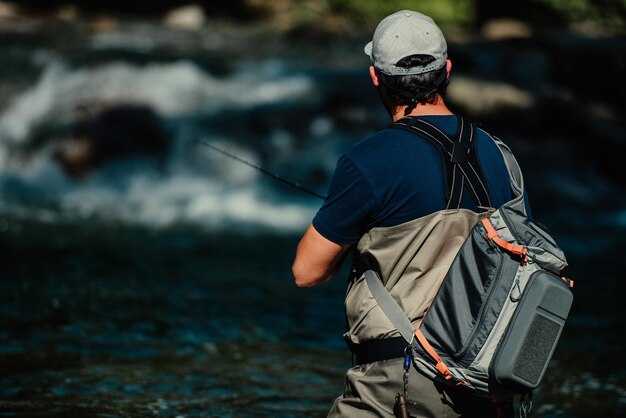 Deep Sea Fishing Gear – What to Wear for Comfort and Safety">

Wear a three-layer setup: a moisture-wicking base layer, a breathable mid-layer, and a waterproof, windproof outer shell. Planning your gear around waters conditions ensures you stay dry and comfortable for hours on deck. The factor you must face is spray and wind shifts, which can come from any direction; staying focused helps you maintain warmth and mobility.
Choose a base layer in merino wool or synthetic fleece, both delivering excellent moisture transport and temperature control. For cooling on hot days, select tops with mesh panels or ventilation zips. This approach keeps you focused on which fabrics perform best and helps you stay comfortable when the deck rocks.
Pair your base with a durable outer shell that is waterproof and windproof, with compatible zippers and storm cuffs. Add a PFD that stays buoyant and a non-slip boot with reinforced toe protection. A sun hat and UV sunglasses protect your face from glare, while gloves with grippy palms improve handling in spray. If brrr wind bites your face, a hood that tucks away reduces cold exposure without limiting vision.
When buying gear, check ratings for waterproofing (mm rating), breathability (MVTR), and seam construction. Compare products based on real user feedback from anglers who fish in similar waters. Whether you fish in cold mornings or warm afternoons, your layers should adapt quickly; keep a compact dry bag with spare socks and gloves for shifts in the day.
Practice dressing on shore to build patience and test comfort before you head out. This routine reduces chafing and adjusts quickly as weather comes and goes, making long shifts more tolerable. The result is a safer, more exciting day on the water for your crew and a gear performance that you can rely on.
Key Clothing and Layering for Comfort and Safety on Saltwater and Freshwater Waters
Wear a breathable base layer under a moisture-wicking mid-layer, and cap it with a windproof, waterproof outer shell to stay comfortable at your fishing spot on saltwater or freshwater. This three-layer setup takes minutes to adjust and reduces chafing, helping you enjoy long sessions without distraction.
- Base layer: choose breathable fabrics such as merino wool or synthetic blends that wick moisture and dry quickly; avoid cotton that holds sweat and leads to chafing, especially under a long day of reels and casting.
- Mid-layer: a light fleece or thermal top provides insulation when mornings are cool, yet remains comfortable within active movement.
- Outer shell: a windproof, waterproof jacket with taped seams and adjustable cuffs; pick a color with high visibility for safety on the water and to help others spot you heading back to the boat.
- Legwear: quick-dry pants or convertible pants with a lightweight liner; ensure range of motion and pockets for the tackle that accompanies your reel, and to take essentials without bulk.
- Footwear and gloves: non-slip, quick-dry shoes or boots; gloves with grip help you reel without friction and withstand spray; consider fingerless options to prevent chafing while keeping dexterity.
- Head and sun protection: hat with a brim, UV-blocking sunglasses, and sunscreen; breathable fabrics keep you cool while you stay alert and ready for the next cast.
- Safety gear: proper PFD worn within easy reach, a whistle, and a well-stocked set of rain gear, spare socks, and a small medical kit; this reduces risks and leads to a stronger day, with strong protection against surprise weather shifts.
- Storage and layering strategy: keep a compact, well-stocked windbreaker or fleece under the seat; design pockets and zippers for valuables, and store the layering system so it’s easy to access when heading out.
- First-timer guidance: for a first-timer, choose simple pieces that fit well, can take a lot of wear, withstand spray, and stay comfortable during long waits; the right gear takes the pressure off and helps you enjoy the day.
- Recreational focus: recreational anglers benefit from versatile apparel that can switch from sun to shade and from calm to windy conditions without bulk.
Practical notes: flat seams and soft edges prevent chafing at the neck, wrists, and underarms; keep your equipment in good condition by rinsing salt after a trip and letting it dry fully. Heading out with a proper plan makes getting back to shore a confident part of your day, not luck; color and visibility reduce the surprise factor when the weather shifts. If a dolphin surfaces nearby, your color and awareness help you stay safe as you manage gear and the reel. With well-designed apparel that withstands spray and wind, you’ll have an unforgettable experience on saltwater or freshwater and avoid unnecessary risks.
Base Layers: Materials that wick moisture and dry quickly
Choose a lightweight merino wool or high-wick synthetic base layer that pulls moisture away from your skin and dries quickly; it keeps your body comfortable when spray and currents chill you.
To build a reliable foundation, target fabrics in the 150–210 g/m2 range with a close-to-skin fit and flatlock seams. That combination delivers strong moisture transport, reduces friction under gloves, and stays comfortable across long days on deck or chasing bites in varying conditions.
- Merino wool (17–19.5 μm): soft next to your skin, excellent moisture management, and natural odor resistance. Look for polygiene-treated options if you’ll wear the same shirt for multiple sessions without washing. Merino dries faster than traditional wool and performs well when the water is cold.
- Synthetic blends (polyester, nylon, and blends with elastane): highly durable, quick-drying, and easy to care for. These fabrics excel in warmer weather or when you’re active, making it easier to stay dry as you cast, reel, and move through currents.
- Polypropylene: exceptional wicking even when damp and lightweight; great for long days when you’re handling bait and gear. It dries rapidly and holds up under repeated washings.
- Blended base layers (merino-polyester or merino-nylon): combine the warmth of wool with the fast-dry performance of synthetics. They give you valuables like durability, reach in motion, and comfort during chumming or line handling.
Patterns and construction matter. Favor fabrics with flatlock or minimal-seam design to reduce rubbing under pockets, gloves, or a wide-brimmed hat. A snug, but not restrictive, cut helps the fabric pull moisture away from your body and spread it across a larger surface area for faster drying. This approach protects you from chill when you pause between casts or when the deck gets wet from spray.
Care features can extend the life of your base layer. Look for fabrics treated to resist odors, like polygiene, which helps your clothing stay fresher on longer trips. Wash with mild detergent, skip fabric softeners, and air dry whenever possible to maintain wicking performance and fit. If you’re on a recreational trip and you come back with damp gear, you have a solid chance to dry it quickly before the next outing.
Practical tips for on-water use: stay ahead of the cold by dressing your core and legs first, then add a mid-layer if wind picks up. Have a spare dry base layer tucked in a dry bag for when you need it, especially during extended chumming or bait handling. A well-chosen base layer keeps you warm without overheating, so you can reach for gear, handle bait, and move with confidence rather than shivering.
In rough seas or when you’re chasing big catches, a fast-drying base layer reduces risks of hypothermia and fatigue. It also improves your overall comfort, allowing you to dress yourself for a long day without sacrificing protection. Wear it next to your skin, pair it with a wide-brimmed hat for sun and salt spray protection, and your clothing will come together to support longer, safer, and more enjoyable days on the water.
Mid Layers: Insulating fleece or knit options for changing depths
Select a mid-weight fleece as your base mid layer for most deep-sea days. It locks in warmth, wicks moisture, and dries quickly after the spray hits the deck.
In selecting fleece, aim for 200–300 g/m2 for a versatile range that stays comfortable as you move from shallow to deeper depths. Microfleece delivers soft warmth with excellent moisture transport, while a smooth outer face helps cut wind when you lean into a breeze on the boat. If you prefer knit comfort, choose a fleece-backed knit or a knit option like Merino-wool blend to balance warmth with breathability. For color, choose a matte, dark shade that hides salt and sun exposure and keeps your kit looking proper after long days at sea. You can find these options in most outdoor shops, and selecting the right color helps reduce glare from the water. Appropriately chosen color also helps you stay low-profile on the water.
Choosing mid layers for changing depths hinges on air-trapping warmth and moisture management. A fleece mid-layer excels here, while a knit option like Merino stays warm even when damp. Recreational and experienced anglers use this same setup whether game fishing in open water or chasing bigger pelagic targets; layer under a windproof shell when the weather shifts, and you’ll stay comfortable through miles offshore. Pair your gear with a wide-brimmed hat to reduce sunburn on bright days, and you’ll worry less about skin protection on long, sun-soaked days at sea. It helps you become comfortable as you descend through changing depths. It takes seconds to adjust if the direct heat from sun comes and you feel a chill when you dive deeper–this flexibility is what makes mid layers so valuable on a boat.
faqs note practical tips: keep the base dry, adjust your layers to temperature swings, and replace a stiff or damp layer promptly. If you notice the wind biting or you’re taking long hours on the boat, add a thicker knit or a 2nd fleece under your outer jacket. The plan works for both recreational and professional crews, with the same approach that helps you adapt to a rapid drop in temperature as you go deeper into the deep-sea zone. The risks of neglecting proper layering show up as cold hands, reduced dexterity, or sunburn when you peel off warmth too soon after a surprise front moves in.
| Layer option | Best use | Pros | Considerations |
|---|---|---|---|
| Fleece mid-layer (200–300 g/m2) | Most days at sea, shifting depths | Warm, moisture-wicking, dries fast | Less wind protection than a shell; pair with windproof outer |
| Knit mid-layer (Merino-wool blend) | Cool mornings, damp air | Warm when damp, breathable, odor resistant | Heavier when wet; cost |
| Hybrid fleece-knit | Variable weather | Good warmth with stretch | يتطلب مقاسًا مناسبًا تمامًا؛ وقد يكون أكثر تكلفة |
الأغلفة الخارجية: جاكيتات وبنطلونات مقاومة للماء وجيدة التهوية للرياح والرذاذ
ابدأ باختيار واضح: سترة خارجية بثلاث طبقات مقاومة للماء وتنفس، مع درزات محكمة الإغلاق بالكامل وغطاء رأس مقاوم للعواصف يتناسب مع ارتدائه فوق قبعة. في رحلات أعماق البحار، استهدف تصنيفًا لا يقل عن 10 آلاف/10 آلاف للحفاظ على الرذاذ بالخارج مع السماح للرطوبة بالخروج من الداخل، حتى تبقى مرتاحًا في الرحلات الطويلة.
إن اختيار سترة وبنطال متطابقين من نفس المجموعة يضمن مزيجًا سلسًا من الجفاف والقدرة على الحركة، مما يجعل الأيام الطويلة على سطح السفينة أكثر متعة. ابحث عن الأكمام المفصلية والنسيج المطاطي الذي يساعدك على الرمي والسحب والعمل في الشباك دون ضغط.
المقاس مهم: اختر مقاسًا يسمح بارتداء عدة قمصان تحته مع عدم الارتفاع عند الخصر. تحقق من الأساور والغطاء (Hood) للتأكد من ملاءمتها بشكل محكم؛ فالغطاء الذي يتيح رؤية واضحة مهم في الرذاذ والرياح، ويقلل من الاحتكاك الطفيف أثناء المناوبات الطويلة. استخدم هذه الميزات لحماية نفسك خلال اللحظات العاصفة.
الميزات التي يجب إعطاؤها الأولوية: ضع في اعتبارك الأساور القابلة للتعديل، وفتحات التهوية الشبكية الداخلية لتدفق الهواء، والسحابات المزودة برفرف واقٍ من العواصف، والجيوب التي تبقى جافة. يجب أن تحتوي البناطيل على طيات عند الكاحل أو أساور مناسبة للأحذية لمنع الرذاذ، وتوفر هذه العناصر تغطية موثوقة ضد الرذاذ.
سلامة الهاتف: خزّن جهازك في جيب مخصص مقاوم للماء أو كيس بسحاب للإغلاق؛ بصفتك صيادًا، حافظ على جفاف المعدات الأخرى وجاهزيتها للإمساك بها عندما تحتاج إليها.
خطوات العناية: بعد التعرض للرذاذ، اشطف بالماء العذب وجفف في الهواء بعيدًا عن الحرارة المباشرة. أعد وضع طبقة طلاء مقاومة للماء حسب الحاجة للحفاظ على قوة التكور والتخلص من الرذاذ.
استعد للرياح على ظهر السفينة وخطط لها بارتداء طبقات تحت السترة الواقية بقمصان تسمح بالتهوية وتمتص الرطوبة، لتبقى مرتاحًا أثناء لحظة تغيير الطعم أو فحص الخيوط أثناء الصيد.
الأحذية والجوارب: نعال مانعة للانزلاق، دعم للكاحل، وأقمشة سريعة الجفاف
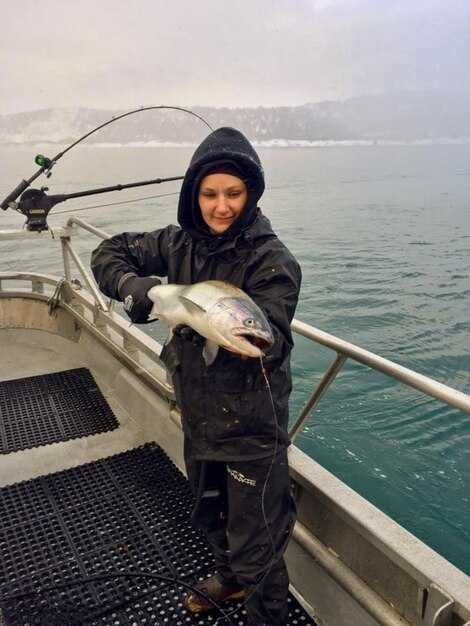
اختر أحذية بنعال مانعة للانزلاق ودعم للكاحل لتوفير ثبات محكم على سطح متأرجح ومبلل. في ظل الرياح والرذاذ، يساعد التثبيت الجيد على منع الانزلاقات والإصابات والحفاظ على ثبات التعامل مع معداتك. ابحث عن أحذية تظل محمية في ظل ظروف سطح السفينة القاسية؛ فهذه علامة على ملاءمة محكمة تقلل من الحركة التي قد تعيق الحبال.
اختر نعلاً خارجياً مطاطياً بنقشة عميقة وفتحات صغيرة للثبات على الأسطح الرطبة، وتأكد من أن الجزء العلوي يجف بسرعة بعد الرش. اختر حذاءً مناسباً للطقس يتحمل الملح والشمس، واختر أقمشة سريعة الجفاف أو ألواح شبكية لتجف بسرعة.
ارتدِ الجوارب المصممة لامتصاص الرطوبة وتجنب القطن. استخدم جوارب تمتص الرطوبة مع معالجة مضادة للرائحة؛ واختر الارتفاع المتوسط للحصول على الدفء في الشتاء أو الطول الذي يصل إلى الكاحل للأيام الحارة. تجف الخلطات الاصطناعية أو الصوفية بسرعة وتحافظ على حماية القدمين.
احتفظ بجوارب إضافية في الجيوب أو حجيرات القوارب حتى تتمكن من تبديلها عندما يبلل الرذاذ الزوج الذي ترتديه. اشطف الأحذية بالمياه العذبة بعد كل رحلة لإزالة الملح، ثم جففها في الهواء بعيدًا عن الحرارة المباشرة لمنع تراكم الروائح.
للأطفال، اختَر أحذية خفيفة الوزن ذات قبضة قوية وأربطة بسيطة تبقى مربوطة عند سحب الخيوط الثقيلة. بالنسبة للبالغين، تحقّق من مساحة صندوق الأصابع والكعب المريح لمنع الاحتكاك أثناء جلسات المناولة الطويلة.
قم بتخزين حذائك جافًا وجاهزًا داخل جيوب مقاومة للعوامل الجوية على متن القارب؛ يمكن أن تشمل هذه المعدات جوارب إضافية، وأكياس الطعم، وأدوات الصيد، وكلها محفوظة بشكل منفصل عن قدميك لتقليل انتقال الروائح.
الجوارب والأحذية المناسبة تعزز الراحة في الرحلات المشمسة والعاصفة على حد سواء، مما يقلل من إجهاد القدمين حتى تتمكن من التركيز على كل شيء بدءًا من التعامل مع الحبال وحتى استهداف الطعم، بالإضافة إلى ارتدائها مع طبقات الأكمام الطويلة عندما يبرد الجو. هذا يساعد على تقليل التعب في المناوبات الطويلة.
تحقق من القواعد المحلية ومتطلبات الترخيص؛ وقم بتجهيز نفسك بمعدات مناسبة للطقس وأحذية موثوقة.
حماية الرأس واليدين والوجه: قبعات وقفازات ونظارات شمسية وتغطية بعامل حماية من الشمس.
ابدأ بقبعة واسعة الحافة UPF 50+ تتناسب بشكل مريح وتبقى آمنة على سطح السفينة العاصف. هذه هي القاعدة الأساسية التي تحمي الوجه والأذنين والرقبة، ويمنع حزام الذقن فقدانها عندما يصطدم الرذاذ الزلق، مما يجعل هذا الخيار مثاليًا للمبتدئين وذوي الخبرة على حد سواء. تحمي الحافة، وتحدد قطعة الحماية البسيطة هذه مسار يومك، مما يساعدك على إعطاء الأولوية للراحة في الظروف البحرية القاسية.
اختر نظارات شمسية مستقطبة احترافية مع حماية UV400. تعمل الإطارات الملفوفة على تقليل الوهج من الماء والسماء، مما يعزز الوضوح ويقلل إجهاد العين. بالنسبة للوهج البحري الساطع، توفر العدسات في الفئة 3 حماية قوية، ويساعد الحزام أو المثبت سريع الفك على سطح السفينة الزلق حتى تبقى في مكانها. يوفر هذا الإعداد المستهدف حماية أقوى للعيون في الأيام الطويلة على الماء.
توفر القفازات طبقة حماية قوية لليدين. اختر قفازات كاملة الأصابع مع راحة يد محكمة لقبضة الحبل والسمك، مصنوعة من النيوبرين أو الجلد الصناعي. تأكد من وجود مرونة في الأصابع وطرف آمن لمنع الرذاذ. يوفر الكم الذي يغطي الساعد تغطية من رذاذ الملح والشمس ويبقيك مرتاحًا عند التعامل مع المعدات طوال اليوم.
تغطية عامل الحماية من الشمس SPF مهمة. ضع واقي الشمس بعامل حماية من الشمس 30-50 على جميع الجلد المكشوف: الوجه والأذنين والرقبة وظهور اليدين. أعد وضعه كل ساعتين، أو مباشرة بعد التعرق، أو التجفيف بالمنشفة، أو الغمر في الماء. اختر تركيبات مقاومة للماء وضعها على بشرة جافة قبل 15 دقيقة من التعرض، ثم أعد وضعها حسب الحاجة خلال النهار. بالنسبة للأسئلة الشائعة، استهدف عامل حماية من الشمس 50+ على الأنف والأذنين وتذكر تغطية أي جلد مكشوف تصل إليه الشمس؛ يوفر هذا النهج خطوات مباشرة يمكنك اتباعها، ويساعد أيضًا إذا كانت هناك حاجة إلى ظل طارئ أو ضربة قوية مفاجئة.
تحافظ الملابس واستراتيجية اللباس على راحتك طوال اليوم. اختر الأقمشة التي تسمح بمرور الهواء وتجف بسرعة، وقميصًا بأكمام طويلة مع عامل حماية من الأشعة فوق البنفسجية مدمج، وبنطلونًا خفيف الوزن أو شورت يحمي الساقين مع الحفاظ على المرونة. يعمل الواقي الرقبة وطبقة واقية من الرياح الخفيفة على التعامل مع الرذاذ القاسي والبرودة. يضمن هذا النهج أن تبدو كنموذج للمعدات الذكية، وأن تكون قادرًا على القيادة بالقدوة بينما يقلد فريقك الحماية المناسبة. إذا تم القيام بذلك بشكل صحيح، فإن معداتك ستصبح لا تُنسى وجاهزة لأي نزهة.