


 العربية
  English (UK)
  Русский
  日本語
日本語  한국어
한국어  Magyar
  Türkçe
  Español
  Čeština
  Svenska
  Português
  Ελληνικά
  Suomi
Suomi  Nederlands
  Română
  Italiano
  Français
  Polski
  Українська
  Deutsch
  简体中文
简体中文  Slovenčina
 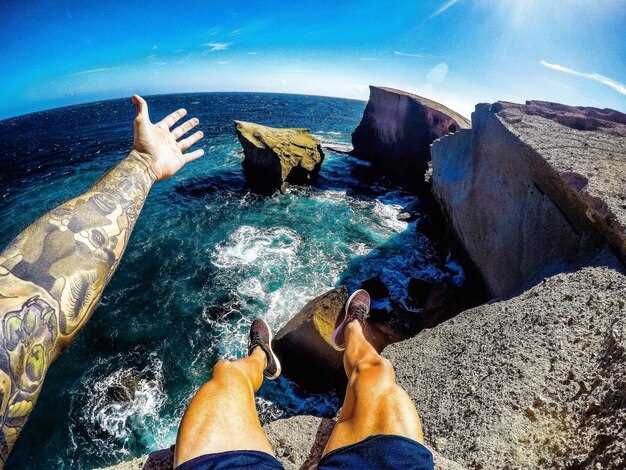 Channel Islands National Park – California’s Best Snorkeling Destination">

Book a small-boat excursion from a harbor on the Calif. coastal region and target the first light window. Dawn trips minimize chop, maximize light, and often yield 10–20 m of visibility in late spring through early fall. You’ll glide over a living kelp forest where schooling fish patrol the edges and a curious turtle may drift past the bow.
For beginner trips, the options are sheltered, shallow bays with flat entry, minimal surge, and steady guidance from licensed instructors. Sites such as cristóbal Cavern, charles Point, and concha Cove offer close-to-shore entry and gentler currents, letting learners practice breathing, equalizing, and buoyancy. Conditions are most reliable when air temps rise and water remains about 14–20 C (about 58–68 F); when winds shift, visibility can drop, so plan a next trip or try a different site when weather improves. Thermal upwellings will sometimes brighten the water and reveal more life.
When you snorkeled with a guide, you’ll stay within your limits and learn to read currents, keep close to the group, and respect reef life. Wildlife along the coast includes garibaldi, sheepshead, and occasional lonesome seals; you’ll also have a chance to spot a green sea turtle near the shores. The next options include shallow boat or onshore entries, or a deeper reef drift if your skill grows, but always with a professional lead. Guides will help you maximize safety while chasing color from the water column.
What to bring: a light wetsuit, reef-safe sunscreen, and a dry bag; plan a short schedule and, if you enjoy it, add a couple more to build confidence. For much of the coastal snorkeling, morning sessions win for visibility, so check the forecast and book ahead. If you want variety, look for options across sheltered coves near cristóbal, charles, and concha for their distinct vibes and easy-entry dives.
Channel Islands Snorkeling Plan
Book a guided, small-group snorkeling plan that departs from the coastal shores in the early light, with 2–3 hour tours led by seasoned guides. Snorkelers stay together effortlessly, boats circling a sheltered cove to maintain safety, without rushing. Expect peaceful waters, otters gliding by kelp beds, and spotted reef fish along the shore. The program is designed for both first-timers and seasoned snorkelers, with gear fitted on-site and a flexible rotation so everyone can take a turn to swim. This snorkeling plan prioritizes smooth transitions and clear, on-site briefings from the guides.
Guides such as santiago or charles rotate to supervise gear, timing, and transitions, ensuring everyone can swim while staying with the group. The plan highlights entry zones near grietas and concha, with marked paths along the shore to keep currents manageable and to reduce impact on wildlife.
Best months for calmer seas are late spring through early fall, with water temperatures typically in the 60s Fahrenheit. Pack reef-safe sunscreen and a light wetsuit for protection, and bring a dry bag for phones and keys. If conditions polarize, you can switch to a shorter, shore-based swim session and watch gentle shorebirds from the sands. Plan to visit on a weekday if you want quieter experiences and more room for routes.
| Spot | Access & Entry | What You See | الملاحظات |
|---|---|---|---|
| grietas | rocky ramp near a crevasse; short swim | clear pools, swim-throughs, brush of kelp | best on calm mornings |
| concha | shallow lagoon adjacent to shore | soft sand, easy conditions | great for beginners |
| shoreline cove near santiago | beach access; soft entry | spotted fish, sea otters sometimes | watch for gentle currents |
| lonesome shore | jetty exit, rocky but stable | spotted bass, occasional seals | currents can tighten; flightless birds historically observed but sightings today are rare |
Santa Cruz Island snorkel access: top entry points and routes
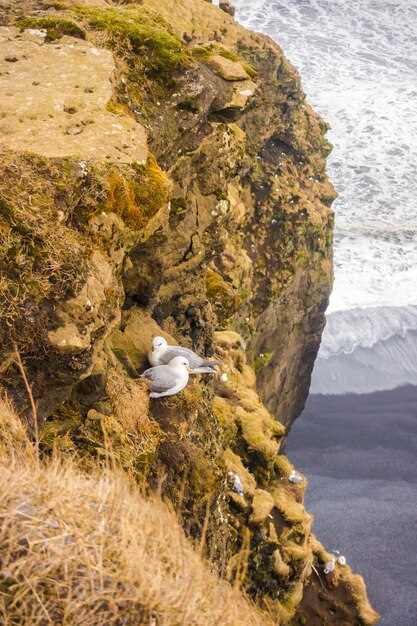
Begin at Scorpion Anchorage for your first snorkel, as the entry here is open and the water tends to stay calmer, making it easy to ease into the reef and glide past colorful life along the edge.
Four entry points and routes stand out for snorkelers: Scorpion Anchorage, Prisoners Harbor, Bechers Bay, and a western cave route that leads to grietas along the rock face. Each offers a distinct depth profile and wildlife opportunities, with guided options available to tailor the ride to your experience and with safety protocols included.
Scorpion Anchorage provides straightforward shore access, a shallow reef zone within a short swim, and a chance to spot small fish that move along the kelp and along the rocky shelf. Start from the beach or a nearby launch site and follow a gentle path along the edge for a cautious first loop.
Prisoners Harbor delivers a sheltered venue on the southern side with a windbreak and a long reef edge. From the shore, swim a relaxed corridor toward deeper sections where you may encounter schooling fish and curious reef life.
Bechers Bay on the eastern side features deeper water and rocky outcrops along a broad reef edge. Entry from the sandy ramp lets you follow a shallow open-water path for a longer snorkel; stay mindful of nesting seabirds and give them space during breeding season.
Western cave route offers access to a coastline line with grietas and sea caves. Entry is best on calmer days, keeping to a sheltered side and following a coastal path where currents stay predictable and visibility can be stunning, particularly in November when light angles shift and clarity improves. The land-to-water transition here is more technical, but the payoff is a sequence of dramatic spots along the rock.
Tips: know that the known population of reef life here favors smaller species, so look for wrasses, juveniles, and other elusive residents gliding along the reef; absolutely keep distance from nesting areas during breeding season. With guided trips you get an academy-style briefing included in the package. Bring reef-safe sunscreen, a dry bag, and a water bottle, and plan your snorkel around open-water conditions and weather forecasts.
Market of reef habitats–coral, kelp, and rock crevices–offers a diversity of niches along the shelf, so each route can feel distinct and rewarding for a four-spot exploration day.
rosa sunsets along the coast add a stunning backdrop to a session, especially after a november outing when visibility and light angle favor longer, open-water glides and a memorable coastal panorama.
Marine life to expect: seals, sea lions, garibaldi, and kelp forest residents
Start at dawn along an accessible shoreline with parking and nearby boat access; skies glow over glassy water, creating ideal conditions for observing creatures and capturing memorable pictures.
-
Seals and sea lions: Harbor seals and California sea lions haul out on rocky shelves and drift through kelp lines. Snorkelers should stay respectful distance and avoid blocking access to rookeries. When currents are mild, you’ll see them gliding just beneath the surface, sometimes closer to the shore during calm mornings.
-
Garibaldi: Endemic to this coastal belt, garibaldi schools illuminate the kelp edge with a kaleidoscope of orange and cobalt. They form larger array patterns near sheltering rocks; use your camera to capture a picture of the bold color flashes, and explore slowly to avoid startling the fish.
-
Kelp forest residents: The canopy hosts purple urchins, ochre stars, decorator crabs, and octopuses; you may spot lingcod and small rockfish among the blades. Offshore pockets–often near volcanoes–create sheltered zones where the water stays clear and life thrives. Snorkelers glide by in peaceful rhythms, watching the busy microcosm within a few meters of the surface.
Planning tips: choose locations with parking and easy shore access; consider a guided tour or a small-boat outing to reach deeper kelp beds; bring a camera and your sense of adventure, as theres ample opportunity to fill a memory with vivid images. Try to time the visit around low tides for easier entry and better visibility, and keep a respectful distance from wildlife at all times.
Inspiration from distant realms: floreana, pinta, tintoreras, santa, and charles evoke the same principles–quiet coves, thriving kelp-like forests, and a mosaic of life. For snorkelers who dream of similar scenes, these names symbolize the variety and resilience of life wherever currents and coves intersect, and they remind you to explore with care and curiosity, like an array of colors shifting under the skies.
نصائح موسمية: الرؤية، والتيارات، ونشاط الحياة البرية
خطط لجلسات الفجر في الربيع أو الخريف للحصول على رؤية واضحة تمامًا وتيارات لطيفة؛ بالمقارنة مع هاواي، قد تجد وضوحًا مماثلًا في النوافذ المثالية ومياه أكثر هدوءًا بالقرب من حواف الشعاب المرجانية.
- أنماط الرؤية حسب الموسم
- الشتاء: 10-15 مترًا في الخلجان المحمية؛ ويمكن أن تصل إلى 20 مترًا في الأيام الهادئة بعيدًا عن الشاطئ؛ يرتفع مستوى العكارة بعد العواصف، لذا استهدف الخلجان المحمية بالقرب من الشعاب المرجانية والأشجار على أعماق ضحلة.
- الربيع: 20-30 مترًا في الصباحات الصافية، مع اختراق الضوء للرفوف الضحلة التي تكشف عن أنواع متنوعة وشعاب مرجانية نابضة بالحياة؛ الساعات الأولى تزيد من اللون والتباين حول النتوءات الصخرية.
- الصيف: على بعد 25-35 مترًا من الشاطئ عندما تكون الرياح متّجهة بالشكل الصحيح؛ قد تظهر المياه القريبة من الشاطئ ضبابية بعد ازدهار العوالق، لذا غامر بالوصول إلى الحواف أو الصدوع العميقة والمضاءة جيدًا للحصول على رؤية أفضل.
- الخريف: 15-25 مترًا؛ قد تنخفض الرؤية بعد رياح بحرية مستمرة؛ ابدأ بالقرب من الشاطئ وتقدم إلى الرفوف الصخرية إذا استمر الوضوح.
- إدارة التيارات والانجراف
- الشتاء: تدفقات أقوى عبر الرفوف حول التكوينات الصخرية؛ ابق على بعد 10-15 مترًا من الشاطئ وحافظ على الاتصال برفيقك للإبحار في الانجراف بأمان.
- الربيع-الصيف: انجرافات أكثر اعتدالًا وأكثر قابلية للتنبؤ على طول حواف الشعاب المرجانية؛ استخدم انزلاقًا مُتحكمًا به على بعد 5-12 مترًا من الوجه وتجنب التقدم على مجموعتك.
- الخريف: يمكن للتيارات أن تتغير بسرعة مع تغيرات الرياح؛ اختر المناطق المحمية أولاً وانتقل إلى الحواف المكشوفة فقط إذا كانت الرؤية والرياح مواتية؛ راقب دائمًا الظروف السطحية للخروج السريع.
- المسافة والأمان: احمل جهاز إشارة سطحية وحافظ على مسافة 10-15 مترًا بين الغواصين عند الاقتراب من مناطق الانجراف. إذا زادت اندفاعات المياه أو ازداد التعكر، فارجع إلى خليج محمي.
- نشاط الحياة البرية والإشارات السلوكية
- الطيور: النوارس والبجع على طول الشواطئ؛ تتركز الطيور الشاطئية المهاجرة في الربيع حول المرافئ والخلجان الصخرية، لتلفت انتباه الصيادين إلى أماكن التغذية.
- الثدييات البحرية: تخرج الفقمات وأسود البحر على الجزر الصخرية الصغيرة؛ وقد تظهر الدلافين على بعد بضع مئات من الأمتار؛ وتجلب أشهر الشتاء هجرات الحيتان العرضية قبالة الشاطئ.
- الحياة المرجانية: تلون المرجانيات والإسفنجيات الشعابَ في المناطق المحمية؛ وستصادف العديد من أنواع الأسماك المرجانية الصغيرة على طول الحواف الصخرية والشقوق، مما يوفر مشاهدات سريعة ورائعة.
- الحياة البرية الأرضية: قد تُرى سلحفاة بالقرب من المسارات الداخلية أو المناطق المحمية المجاورة للشواطئ؛ ابقَ على المسارات المحددة لحماية المواطن البيئية.
- تنوع الأنواع وأنماطها: في بعض الأحيان، يمكنك ملاحظة مزيج من الأنواع عبر مناطق مختلفة، مما يجعل كل نزهة فريدة ومتنوعة.
- تحسين نقاط الوصول والمعدات
- توفر الشواطئ ذات المدخل السهل وصولاً سريعًا إلى مياه أكثر هدوءًا في أول 20-30 دقيقة بعد شروق الشمس؛ اختر المواقع ذات المنحدرات التدريجية والقيعان الرملية للمشاركين الجدد.
- المعدات: تأكد من أن القناع والزعانف وأي حماية للوجه مناسبة تمامًا؛ ارتدِ قميصًا واقيًا من الشمس وواقيًا من الشمس آمنًا للشعاب المرجانية لتقليل الوهج على السطح؛ أحضر حزامًا احتياطيًا وصفارة مدمجة للسلامة.
- بناءً على الظروف، خطط لجلسة أولى مدتها 15-25 دقيقة بالقرب من الحواف الضحلة، ثم قرر اتباع نهج أعمق إذا ظلّت الرؤية والتيارات مواتية؛ اقضِ وقتًا إضافيًا في مشاهدة الحياة والموائل بدلًا من تجاوز الحدود.
- ميزات خاصة بالموقع وخصائصه العملية
- نتوءات صخرية وشقوق: تستضيف هذه المناطق أسماكًا مندَفِعة وأنواعًا متنوعة؛ توخَّ الحذر عند الاقتراب وتجنَّب لمس الهياكل لحماية الموطن.
- الشواطئ والأحواض: تتيح لك الشواطئ التي يسهل الوصول إليها إنهاء الجلسة بسرعة إذا تدهورت الأحوال؛ وتوفر برك المد والجزر بين الغطسات لحظات تعليمية سهلة للمبتدئين.
- الخلجان المجاورة لبورتو: توفر الخلجان الأكثر هدوءًا بالقرب من مناطق بورتو بدايات محمية للغواصين الجدد وانتقالًا تدريجيًا إلى الشعاب المرجانية الأكثر انكشافًا.
- تخطيط المسافة: تعرف على نقاط الخروج وإمكانية الوصول إلى الإنقاذ؛ فالمسار المُخطط جيدًا يقلل من التعب ويزيد من الوقت تحت الماء.
- خطة عمل موجزة
- تحقق من توقعات الرياح والانتفاخ؛ إذا كانت الرياح أقل من 12 عقدة والأمواج أقل من متر واحد، فابدأ جلسة صباحية قصيرة وسهلة.
- بناءً على الرؤية والتيارات، اختر منطقة ضحلة هادئة أو حافة صخرية ذات شقوق للانجراف الموجه؛ حافظ على مسافة تتراوح بين 10-15 مترًا من زميلك.
- راقب الحياة البرية وموائلها؛ التقط الصور فقط عندما يكون ذلك آمنًا وامتنع عن لمس المرجان والحياة في قاع البحر؛ أنت التالي هذا الموسم للقاءات لا تُنسى، لذا اقضِ وقتًا في تقدير التفاصيل بدلًا من التسرع.
معدات السلامة للمبتدئين: إعداد القناع والزعانف والغطس، وقواعد الرفقة
ابدأ بقناع مُحكم وقصبة تنفس بفوهة مريحة، ثم اختبر الإحكام على اليابسة وفي المياه الضحلة؛ وإذا كنت قد تنفست بقصبة من قبل، أحضر معدات مناسبة ومريحة لطولك، بحيث تظل ركلاتك هادئة ومُحكمة، مما يساعد على منع التسربات؛ في الصباحات الموسمية، عادة ما يكون الماء هادئًا.
تأكد من وضع الشريط بحيث يستقر القناع فوق الأذنين ويكون مشبك الغطس منخفضًا على القناع لتقليل السحب؛ إذا كان جهازك يحتوي على صمام تنفيس، فحافظ عليه نظيفًا لسهولة التنظيف، مما يمنع دخول الماء إلى فمك عند الدوران؛ يمكن أن يفسد الضباب الرؤية، لذا اشطفه بالماء العذب أو رذاذ مضاد للضباب، وتنفس ببطء لتبقى مسترخيًا دون تسرع.
احرص دائمًا على الغوص بالغطس مع رفيق؛ والتزم بمسافة أمان تتراوح بين ثلاثة إلى خمسة أمتار تقريبًا، مع تعديلها حسب الظروف، والبقاء على مرأى من الآخر؛ واستخدم إشارات يدوية بسيطة واتفق على مكان لإعادة التجمع هنا في حال تغير الخطط؛ وإذا شعر شخص بالتعب أو الذعر، فعودوا معًا إلى الشاطئ.
ابدأ بالشواطئ التي يمكن الوصول إليها بالقرب من مواقف السيارات، حيث يمكنك اختبار المعدات دون الحاجة إلى السباحة لمسافات طويلة؛ في الصباح الهادئ مع السماء الصافية، من السهل اكتشاف الحياة المرجانية الغنية بالألوان وغالبًا ما توجد بالقرب من الحواف؛ ابدأ بالحواف الضحلة للحد من المسافة من الشاطئ، ثم وسّع تدريجيًا مع نمو الثقة؛ في الأيام المزدحمة، احضر مبكرًا لتأمين مكان جيد، وراقب المد والجزر والتيارات؛ اعرف أماكن مخارج السلامة.
اشطف المعدات بعد كل يوم وقم بتخزينها في حقيبة جافة؛ حافظ على إحكام الغلق على القناع، وتفقد الأشرطة، وقم بتخزين الزعانف بحيث تظل مرنة؛ ارتد واقي طفح جلدي خفيف لمنع الاحتكاك؛ تحرك مع الماء، وتجنب الاندفاعات المفاجئة أو الحركات السريعة التي قد تزعج الحياة البرية؛ في فسيفساء الحياة، قد تكتشف مخلوقات صغيرة، ويجب عليك احترام مساحتها؛ توضح طيور البطريق والأنواع الأخرى النظم البيئية المتنوعة التي قد تقارنها بالجولات البعيدة إلى بورتو أو هاواي، ولكن الهدف هنا هو الغطس الآمن والهادئ على مسافة قريبة من الشاطئ؛ تعرف دائمًا على مكان وقوف السيارات وخطط للأيام ذات السماء الصافية.
التصاريح والرسوم وقواعد السلوك: حماية الموائل والحياة البرية
قدّم طلبات الحصول على تصاريح الهبوط والتجوّل في المناطق النائية المطلوبة عبر الإنترنت قبل 6-8 أسابيع على الأقل من رحلتك؛ حيث تمتلئ الأماكن بسرعة في موسم الذروة، لذا اختر الوصول إلى روسا وبارتولومي وسانتياغو وكريستوبال مبكرًا.
تتراوح الرسوم عادةً من 15 دولارًا إلى 40 دولارًا أمريكيًا لكل تصريح، اعتمادًا على النشاط؛ وتتراوح تكلفة بعض مناطق الإنزال للاستخدام اليومي ما بين 15 إلى 25 دولارًا أمريكيًا للشخص الواحد، بينما تبلغ تكلفة تصاريح التخييم للموقع الواحد في الليلة الواحدة حوالي 20 إلى 45 دولارًا أمريكيًا؛ توقع رسومًا إضافية للجولات الخاصة.
قواعد السلوك: عليك التحلي بالهدوء وتجنب الحركات المفاجئة؛ وعندما تصادف الحياة البرية حافظ على مسافة محترمة وخفف من سرعتك؛ ويمنع إطعام الحيوانات أو مطاردتها؛ وأثناء تواجدك في الماء، حافظ على مسافة تتراوح بين 6 أمتار (20 قدمًا) و 20 مترًا (65 قدمًا) من المخلوقات الكبيرة وتوقف عن النشاط إذا بدت عليها علامات التوتر؛ وانسحب دائمًا ببطء ولا تسد طرق هروبها أبدًا.
حماية البيئة: تجنب الدعس على الأعشاب البحرية أو الشقوق الصخرية؛ لا ترسو إلا في المناطق الرملية المخصصة؛ لا تقم بإزالة الأصداف أو الصخور أو غيرها من المعالم الطبيعية؛ قم بإخراج جميع النفايات وبقايا الطعام؛ استخدم واقي الشمس الآمن للشعاب المرجانية وتجنب المستحضرات التي تلوث المياه؛ اتبع قواعد الحدود لحماية السكان والموائل الهامة عبر هذه الجزر؛ اتباع هذه الخطوات يؤدي إلى بيئات أكثر صحة.
خيارات التخطيط: اختر الجولات المرخصة التي تركز على الحفاظ على البيئة؛ يمكنك العثور على تجارب المجموعات الصغيرة التي تقلل من التأثير؛ من بين مواطن الأرخبيل، تدعم الشعاب الصخرية بعضًا من أكبر تجمعات الحياة البحرية؛ توفر روزا وبارتولوميه لقاءات لا تُنسى للمرة الأولى؛ تساعدك الجولات المصحوبة بمرشدين من علماء الطبيعة في العثور على المعالم البارزة والتعرف على النظام البيئي؛ يساعد الإبلاغ عن المشاهدات غير العادية في الحفاظ على عدد السكان، مما يضمن بقاء وجهات الحياة البرية هذه من بين النظم الإيكولوجية الأكثر احترامًا في العالم؛ يضمن هذا النهج حماية الزيارات المستدامة للموائل.