


 العربية
  English (UK)
  Русский
  日本語
日本語  한국어
한국어  Magyar
  Türkçe
  Español
  Čeština
  Svenska
  Português
  Ελληνικά
  Suomi
Suomi  Nederlands
  Română
  Italiano
  Français
  Polski
  Українська
  Deutsch
  简体中文
简体中文  Slovenčina
 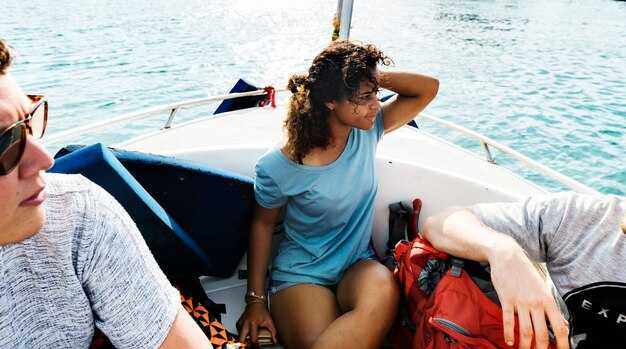 Boating – The Ultimate Summer Hack for Every Budget">

Start with a compact, modular boating setup to maximize value this summer. A lightweight inflatable or small aluminum craft with an electric motor delivers predictable power and solid performance at low operating costs. Have a prepared gear kit: life jackets, pump, spare parts, and a compact anchor. Check weight limits to avoid overloading, which reduces wear and tear and keeps handling predictable on hot days. Consider your environmental footprint by choosing quiet, electric propulsion whenever possible.
These are common issues in budget boating: battery life, hull leaks, and wind drift. A quick check before each trip saves time and trouble: inspect connections, test the motor, and verify patch kits. theyre easy fixes you can handle with basic tools, and a compact pump keeps air decks in shape. This approach reduces downtime across times of peak season and long weekends, and they appreciate the practical, affordable setup that keeps trips on track.
To improve performance without breaking the bank, optimize gear for seasonal shifts. Use a battery with 2–4 hour runtime and a lightweight charger for longer trips. For environmental conditions, switch to breathable, UV-protective clothing, wearing a properly fitted life jacket. Whether you’re paddling in calm water or dealing with light chop, the right setup scales with the forecast and the day’s plan.
Different trips require different gear and a flexible packing list saves money: a small repair kit, spare fuse, waterproof bag, and a compact anchor. As you plan, check local regulations and seasonal speed limits. theres always a way to tailor gear to your budget while keeping safety first, and you can adjust by times, weather, and group size.
Track your boating performance with a simple, repeatable routine to improve reliability. Log power draw, check battery status, and note any issues that arise. Over several weekends, this habit makes trips smoother and cheaper, as you adjust launch times for shade and calm water. theyre improvements show up as more confident outings across different schedules.
Sonar’s Safe Summer Boating Tips for Budget-Friendly Adventures
Check wind forecasts and water conditions before you set out to stay safe and save money, depending on your locale.
Sonar’s system enhances safety by showing depth, submerged hazards, and bottom structure, so you can look ahead and find hazards before you reach trouble.
Consider a budget-friendly setup: rent a compact craft, borrow gear from friends, or use simple inflatables; plan routes that stay near shore and avoid crowded channels; on-demand weather alerts help you adjust in real time, reducing fuel use and wear on equipment.
Dehydration risk rises in heat, so pack water, electrolyte tablets, and a light shade, and wear breathable clothing; this helps people stay aware and perform better on the water.
Most safety checks are quick: verify PFDs fit, ensure signaling gear works, and keep a compact first-aid kit and dry bag aboard; boaters know to check battery levels and lights, and maintain simple lines, anchors, and fenders for reliability.
Questions to ask before you launch include: where are the shallow spots, what wind shifts are common, and which boaters are nearby for safe navigation? Each answer helps you choose safer routes and improve your awareness.
For kayaking and other everyday small craft, stay within sight of shore, use light, efficient paddling, and practice a smooth, controlled pace; youll gain confidence and reduce risk on most trips, even on calm days.
Choose a budget-friendly vessel with built-in safety features: size, stability, and load capacity
Choose an 18–20 ft, wide-beam hull with a stable profile and a load capacity of 1,500–1,800 lbs to support 4–6 passengers and their gear. For upgrading later, pick a hull that accepts modular safety equipment and simple access to storage.
Size and stability matter for stay dry handling on choppy days. Look for a beam of at least 7 ft in an 18–20 ft vessel, a flat or gently V-shaped hull, and reinforced transom to handle the situation around you. These features improve primary stability and reduce the risk of nosedive when you encounter chop. A higher freeboard keeps spray down and helps you stay in control, which is common in a marine class and on-demand safety in environmental conditions.
Load capacity and built-in safety features matter. Ensure the plate shows a rating of 1,500–1,800 lbs and that equipment is included: PFDs for 4–6 people, a throwable flotation device, a fire extinguisher, a horn, and a paddle or anchor. Look for a self-bailing cockpit, non-slip decking, grab rails, and a high-visibility color scheme. A simple kill-switch connection and an automatic bilge pump on-demand add layers of safety and simplify maintenance in busy season. Quality materials last longer in sun and salt, reducing maintenance and downtime for you and them.
Steps to evaluate a candidate vessel before you buy: verify the capacity plate and load capacity; inspect the hull for even trim and a stable beam; check built-in safety equipment; request a test ride to feel handling, stopping distance, and response when you hit a wake. Do this with experts, or with a trusted friend, and stay within your budget. If youre planning for family use, check that theyre equipped for kids and gear, and consider environmental rules around you. Before you buy, compare several options and avoid common mistakes by focusing on a thorough, repeatable check at the dock. Local rules may require gear like a throwable device and a whistle; dont skip safety checks. These steps help you compare options. This resource guide helps you stay informed and making the right choice.
| الطراز | Length (ft) | Load capacity (lbs) | Built-in safety features | Approx. price |
|---|---|---|---|---|
| Model A | 18 | 1,500–1,800 | Self-bailing cockpit, flotation, non-slip deck, grab rails | $9,000–$12,000 |
| Model B | 20 | 1,700–2,000 | Wide beam, aft ladder, built-in flotation, kill-switch | $12,000–$16,500 |
| Model C | 16 | 1,400–1,600 | High freeboard, non-slip decking, life jacket storage | $6,500–$9,500 |
Set up Sonar: step-by-step installation, calibration, and mapping basics
Install the transducer on a clean, open hull area just below the waterline and align it with the keel. Secure the bracket and seal the base to provide protection from rain and spray. Route power and data cables neatly, away from moving parts, so theyre not snag points during rough conditions. A proper mount improves stability and makes land-based getaways safer by reducing the risk of accidents.
-
Mounting location and orientation: place the transducer on the stern or a flat hull section where it stays submerged at all speeds. Keep it level with the waterline, and use the included shims or a leveling tool to ensure the face is perpendicular to the water. This step yields the greatest clarity in both depth and bottom detail.
-
Wiring and power: run a dedicated fused 12V line from the boat battery to the sonar unit, plus a solid ground connection. Keep the power cable separate from engine cables to minimize interference. Use waterproof connectors and secure the run with clips; store excess cable neatly in a labeled storage area, so you don’t spend time hunting it during everyday trips or on-demand outings.
-
Display installation and connections: mount the display where you have a clear line of sight and easy reach while operating the boat. Connect the transducer cable firmly, then power on and confirm the unit boots in seconds. If you use NMEA 2000 or another network, verify the network address and do a quick ping test to ensure data flow.
-
Calibration basics: begin in calm water. Set the depth offset to zero, then perform a basic bottom-read test by noting the displayed depth when your boat is in a known shallow area. Adjust range, gain (sensitivity), and noise rejection so arches are crisp and clutter is minimized. For higher accuracy, run a slow pass and compare the sonar readout with known markers; this keeps you knowing your environment in different situations.
-
Mapping setup: enable a simple map layer to record bottom contours as you cruise. Start with a moderate range (10–30 meters) and a low-to-mid gain to capture clear returns without washing out weaker signals. Save the session to internal storage and tag it with a waypoint for your local getaways. Use on-demand overlays to switch between depth, bottom texture, and vessel-track views as needed.
-
Testing and drills: test the system at dawn or dusk when light is limited to verify screen readability and sensor response in low-light conditions. Run short drills to simulate emergency awareness: practice catching depth data quickly, marking hazards, and switching to warning overlays. This habit improves safety and confidence, especially during busy weekends and hot-weather boating days.
-
Upgrading and maintenance: periodically check for firmware updates and, if available, install them after confirming column and data compatibility. Inspect seals, cables, and mounting hardware after every outing, especially if you run in saltwater or rough seas. Regular checks minimize downtime and support everyday use, great for land-based trips and water getaways alike.
Tips for smoother operation: test in safe conditions first, carry light weather gear and jackets for crew, and keep a compact storage pouch for spare fittings. Knowing your sonar setup inside out reduces emergency reaction time, supports cautious decisions, and preserves freedom on open waters.
Plan routes using real-time weather, water conditions, and buoy data to avoid hazards
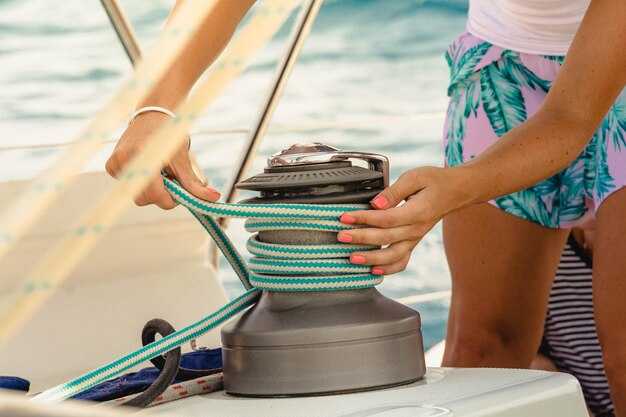
Use a real-time forecast feed and buoy data before you cast off to plot a route that keeps your watercraft safe and your summer sailing enjoyable.
First, check today’s wind, wave, and current updates for the area you’ll travel. If forecast shows light winds early, depart then to minimize risk. Overlay the data on a map, which helps you see relationships between wind, current, and depth, and steer toward the safest channels. Set your course to stay in water with stable depth and fewer shoals. Avoid downwind zones where chop worsens, and choose routes that feel smoother for you and your crew. Safer choices reduce risk and make the experience more rewarding. Consider the environmental impact of your route to preserve natural habitats for future trips.
Then examine buoy data along the path. Buoys report sea state, currents, water temperature, and any flagged hazards. If a buoy shows a stronger current or rising swell ahead, find an alternative course to stay clear of hazards. These adjustments pay off; theyre why you can stay safe and comfortable on longer trips.
dont rely on a single plan. If conditions shift, have an alternative harbor stop and a safe exit strategy. If you own your watercraft or you rent, this habit keeps you flexible. It matters whether you travel alone or with family, and it helps avoid stress in the moment. Your routing systems and offline maps are a good backup, so you wont get stuck without a plan. theyre robust tools that help you maintain safe operations today.
heres a quick checklist to implement today: first, ask these questions before departure; is weather stable for the planned run; are buoys showing a safe path; is there an alternative harbor? theyre designed to keep you safe and preserving the environment while enjoying your ride today. The resource also supports decisions about ownership vs rentals.
ارتدِ سترات النجاة بشكل صحيح وأشرف على كل راكب على متن القارب.
ارتدِ سترة نجاة من أجل كل شخص ارتدِ سترة النجاة كلما كان القارب قيد التشغيل، واربط جميع الأحزمة قبل أن تنطلق.
كل سترة نجاة هي جهاز معتمد من قبل خفر السواحل الأمريكي (USCG) ومصممة لتناسب حجم مرتديها؛ مع التأكد من بقاء المقاس آمناً عن طريق اختباره في مكانه، ورفع الشخص من كتفيه للتأكد من عدم ارتفاعه. إليك فحص سريع لتأكيد المقاس: تأكد من أن حزام الصدر محكم، وأن السحاب أو الإبزيم يغلق بالكامل، وأن الياقة مريحة حول الرقبة. بالنسبة للأطفال، اختر نموذجاً مزوداً بحزام بين الساقين وحزام أمان محكم. حافظ على سترات النجاة قريبة وفي متناول اليد عند الطلب بالقرب من الدفة وعلى طول القضبان، وتأكد من أنها تحمل علامات واضحة وفي حالة جيدة قبل كل رحلة لضمان الموثوقية، حتى في مختلف الظروف الجوية. إذا ظهر على أي إبزيم كسر أو تآكل، فاستبدله على الفور.
راقب كل راكب عن كثب. خصص شخصًا بالغًا لكل طفل، وحافظ على التواصل البصري، وأبقِ الجميع جالسين أو في وضع ثابت عندما تتحرك المركبة. قم بإحصاء عدد الركاب عند المغادرة، وبعد كل تغيير في المسار، وقبل الاقتراب من الشاطئ؛ وحول المياه الوعرة، والمرحلة التالية من الرحلة، كرر الفحوصات بشكل متكرر. عندما تكون الرؤية محدودة، قم بتعيين مراقب للتأكد من بقاء السترات مثبتة ولضمان بقاء الجميع في حدود آمنة. واحرص أيضًا على إبقاء سترة جافة احتياطية في متناول اليد للاستبدال السريع في حالة كسر مشبك أو ضعف في أحد الدرزات.
خطط مع الأخذ في الاعتبار الأحوال الجوية البحرية. تحقق من توقعات الإدارة الوطنية للمحيطات والغلاف الجوي (NOAA) والإشعارات البحرية قبل المغادرة، خاصةً للرحلات في ألاسكا أو النزهات بعد الظهر عندما يتغير الوهج والرياح بسرعة. اطلب ملاحظات من الطاقم وقم بتضمين خطة سلامة موجزة في بداية الرحلة. تأكد من أن الجميع يعرفون كيفية طلب المساعدة، وكيفية الإشارة إلى الخطر، ومكان العثور على السترات. لا تنسَ التدرب على تمرين السقوط في البحر إذا أمكن وتأكد من أن جهاز الحبل جاهز للاسترداد. سيساعد ذلك الجميع على الاستعداد. من شأن ذلك أن يبني الثقة في الرحلة التالية.
باتباع هذه الخطوات، ستبقى أكثر أمانًا على الماء، وتستمتع بالرحلة تمامًا، وتُكافأ بإنقاذ الأرواح ورحلات أكثر ثقة.
حافظ على الوقود ومدد الموسم مع الصيانة البسيطة وعادات التزود بالوقود الذكية
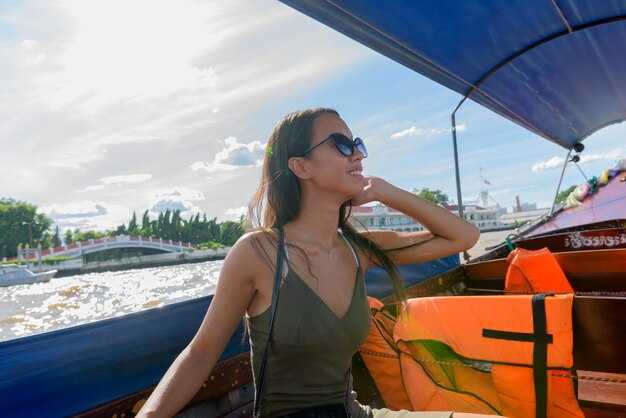
ابدأ بفحص شامل قبل المغادرة. نظام وقود السفينة والمحرك وهيكلها، ثم سجل سجل وقود بسيط لتوجيه عملية التزود بالوقود بشكل أكثر ذكاءً وإطالة أمد كل نزهة قبل أن تنطلق.
يقلل الهيكل النظيف والمروحة ذات الميل الصحيح من السحب ويقللان من استخدام الوقود. أ common يتمثل التحسين في إزالة البرنقيل وفحص المحامل والتأكد من خلو المروحة من الخدوش؛ وهذا يمكن أن يقلل من استهلاك الوقود بنسبة 5-12% عند السرعات العادية للعديد من السفن. وهذا يسلط الضوء على أهمية الفحوصات الروتينية للحفاظ على سلاسة العمليات وقابليتها للتوقع.
اعتمد عادات التزود بالوقود الذكية: استخدم وقودًا مستقرًا، وفضل الخيارات الخالية من الإيثانول متى أمكن ذلك، وقلل من التخزين طويل الأجل في الخزان. إذا كان لديك طاقم، ناقش الأدوار في محطات الوقود واطلب ملاحظات من الخبراء لتحسين الروتين، والتأكد من تدوير المثبت عن طريق تشغيل المحرك لبضع دقائق بعد التعبئة.
ضع في اعتبارك الترقية إلى مروحة أكثر كفاءة، أو قلابات موازنة، أو خيار دفع بديل مثل محرك كهربائي صغير للأيام الهادئة. هذه الترقيات تجعل المغامرات أكثر متعة لطاقمها مع تقليل استهلاك الوقود والضغط على المحرك الرئيسي.
خلال الرحلات، قم بإجراء تدريبات سريعة للتحقق من عمل العدادات والأنظمة: تفقد درجة الحرارة ومستويات الزيت، تحقق من دقة عداد الوقود، وابحث عن أي أعطال. ناقش الأسئلة مع الأشخاص الموجودين على متن السفينة واطلب مدخلات لضمان التشغيل الآمن والكفاءة المثلى حول السفينة.
ضع جدولاً عمليًا: قم بفحص شامل شهريًا، وأجرِ صيانة قبل بداية الموسم تتضمن الفلاتر والزيت وفحص نظام الوقود. تُظهر البيانات أن استهلاك الوقود يمكن أن ينخفض بنسبة 5-15% مع الصيانة المناسبة، اعتمادًا على حالة الهيكل والحمولة. احتفظ بسجل بسيط وقم بتحديثه بعد كل رحلة لتتبع التقدم عبر السفن والمواسم المختلفة.
تجنب الضائقة في البحر بالاحتفاظ باحتياطي من الوقود وخطة واضحة، بالإضافة إلى قائمة تحقق موجزة. حافظ على وعيك حول المارينا وحافظ على سفينتك جاهزة لمغامرات ممتعة مع الحفاظ على الميزانية والوقت لمزيد من الأيام على الماء.
الاستعداد لحالات الطوارئ: مجموعات الأدوات الموجودة على متن السفينة، والتدريبات، وقائمة تحقق للاستجابة السريعة
إليك إعداد عملي يناسب معظم الميزانيات: احتفظ بمجموعة أدوات طوارئ مبردة وواضحة المعالم على متن القارب في صندوق جاف بالقرب من الدفة، وقم بتضمين فئة من عناصر السلامة التي يسهل الإمساك بها واستبدالها. اختر حاوية مزودة بمؤشر مدمج، مما يساعدك على تتبع إعادة التخزين. يجب أن تشتمل المجموعة على أساسيات الإسعافات الأولية، وأجهزة الإشارة، ومصباح يدوي، وبطارية راديو احتياطية، وصفارة، وأداة متعددة، وبطانية حريق، وكبريت مقاوم للماء، ومياه، ووجبات خفيفة غير قابلة للتلف، ومشمع، وبطانية صغيرة.
خطوات لتنفيذ الاستعداد: 1) فحص وتدوير العناصر كل 90 يومًا؛ 2) تعيين قائد تدريب لكل موسم؛ 3) نشر قائمة التحقق من الاستجابة السريعة في المقصورة؛ 4) اختبار الراديو أو الهاتف عبر الأقمار الصناعية أو تغطية الهاتف الخلوي قبل المغادرة. قم بتضمين بطاقة مغلفة بالإجراءات خطوة بخطوة للمواقف الشائعة. تؤثر أوقات المغادرة أو أوقات اليوم التي تخطط للإبحار فيها على وقت التدريب. يعتبر إيقاع الدوران أفضل من الاعتماد على الذاكرة.
تُبقي التدريبات المهارات حادة وتقلل الذعر في الماء. إذا لم تجرِ تدريبات من قبل، فابدأ بتمرين من خطوتين وابنِ عليه. أجرِ تدريبات على سقوط شخص في البحر، واستعادة القارب بعد انقلابه، وحريق المحرك، وترك السفينة. قم بإجراء التدريبات عندما يكون الطقس هادئًا؛ في فصل الصيف يمكنك جدولة جلسات مناسبة للعائلة بعد وجبة خفيفة. ستتذكر التأكد من أن جميع المشاركين يرتدون سترات النجاة ويعرفون كيفية طلب المساعدة. يجب عليهم إكمال كل تدريب في غضون 2-5 دقائق، اعتمادًا على الخبرة.
قائمة التحقق للاستجابة السريعة: ارتداء سترات النجاة، وتحديد أقرب مخرج آمن، وتحديد قائمة الطاقم وأرقام الاتصال، ونشر أجهزة الإشارة (صافرة وشعلة إذا كان مسموحًا بذلك)، والتحقق من الرياح والتيار والعمق، وتشغيل المحرك إذا كان القيام بذلك آمنًا، والتجمع على سطح السفينة، وتعيين خطة إنقاذ، وتسجيل الوقت. احتفظ بقائمة التحقق على لوحة القيادة وواحدة في المقصورة؛ وقم بتحديثها بعد كل تدريب أو حدث حقيقي.
بدون خطة واضحة، تتصاعد المواقف، ولكن مع دورة تدريبية خاصة في السلامة، سيتعامل قادة القوارب مع الأحداث بسلاسة أكبر وبأقل قدر من الذعر. وقد يجدون أوقاتًا يمكن فيها تعديل الخطة حسب الطقس. هذا النهج يحافظ على متعة مغامرات السفر ويقلل من المخاطر في العديد من المواقف. تساعد الإجراءات الروتينية البرية، والدعم الساحلي، وفحوصات ما قبل المغادرة في الحفاظ على عقلية هادئة ومسترخية بين أفراد الطاقم.
الوعي البيئي مهم: قم بتخزين المياه في زجاجات قابلة لإعادة الاستخدام لمكافحة الجفاف؛ خطط للطرق مع مراعاة القواعد البيئية؛ احتفظ بحقيبة نفايات صغيرة للحفاظ على الخط الساحلي؛ اختر المعدات المستدامة وأعد تدوير العبوات متى أمكن ذلك. يساعدك الفحص السريع قبل المغادرة على تجنب الرحلات غير الضرورية إلى الشاطئ وتوفير الوقت وتقليل التأثير البيئي مع الحفاظ على تجارب القوارب.
تذكر: هذا النهج يدعم الأوقات البرية والبحرية على حد سواء؛ يمكنك تكييف المجموعة لرحلة نهاية الأسبوع أو رحلة أطول، وتضمين مجموعة طبية أساسية ومنارة إشارة للرحلات البحرية. ستساعدك على البقاء هادئًا ومسترخيًا ومستعدًا لأي شيء يأتي، وتحويل مغامرات الصيف إلى ذكريات ممتعة عبر العديد من الرحلات.