


 العربية
  English (UK)
  Русский
  日本語
日本語  한국어
한국어  Magyar
  Türkçe
  Español
  Čeština
  Svenska
  Português
  Ελληνικά
  Suomi
Suomi  Nederlands
  Română
  Italiano
  Français
  Polski
  Українська
  Deutsch
  简体中文
简体中文  Slovenčina
 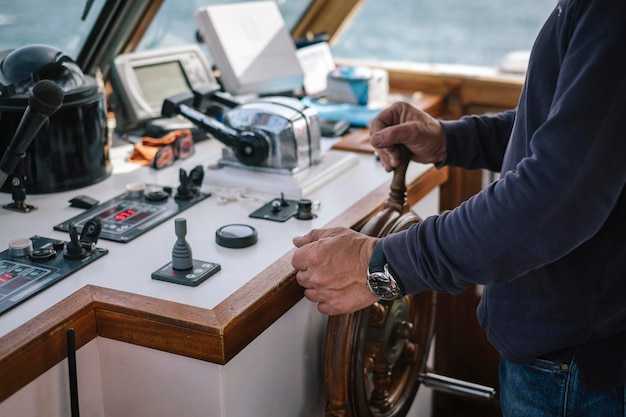 Boat Trim Guide – How to Use Trim for Better Control and Speed">

Recommendation: Set trim to keep the waterline level at cruising speed. Start with the bow slightly downward and adjust in 1–2 degree steps as speed and load change. Depending on load and sea state, tiny trim changes can sustain efficient propulsion and a smoother ride.
Why trim matters for control: Trim affects how the hull handles turning and planing. A downward bow reduces stern lift and helps keep the stern in the water, improving grip in turns. Changes in trim alter how the boat responds for their crew and captains, affecting turning feel and overall stability. That small change could noticeably improve turning.
Reading the indicators: Observe the waterline around the bow and stern as speed changes; if the bow rises too high, trim downward a notch; if the stern squats, trim upward. Often the most noticeable impacts come from speed changing or waves, or other indicators. Keep the hull level for best efficiency and comfort.
Trim and load scenarios: With light load the boat trims differently than when fully loaded. For a given hull, changes in load shift the optimal trim angle; remember to reset trim when passengers board or gear is loaded. video demonstrations show how trim adjustments change planing onset and stability.
عملي formula and steps: Use a simple rule: trim angle = base_angle + (load_factor × 0.5). For every 100 kg of load, adjust trim by about 1–2 degrees to maintain waterline balance. Start with base_angle around 2–3 degrees downward and tweak in small increments while cruising. The formula helps you estimate fast changes and keep acceleration smooth.
Hull type considerations: Planing hulls react quickly to trim; shifting from 0 to 5 degrees downward can raise or lower the waterline by a few inches, speeding up or slowing down depending on speed. For displacement hulls, small trim is enough; over-trimming creates a rough ride and higher fuel use. In rough water, more downward trim can shorten the bow wake and reduce pounding.
Common mistakes to avoid: In boating, do not rely on static trim; boats react to changing seas. Constant micro-adjustments yield better control than long stints with fixed trim. Avoid excessive trim changes in short intervals; verify with a quick check: waterline at midship should be level, hull trimmed smoothly on plane, and prop wash clean.
Putting it into practice: Use a focused checklist on every trip: note the load, observe the waterline, adjust gradually, test turning, then fine-tune. Each session, review what changes you made and their impacts. Use video guides or a log to reinforce gains. With consistent trim habits, you gain steadier speed, smoother rides, and better fuel economy.
Practical Trim Techniques for Better Boat Handling
Set the outboard trim to mid-range before you push the throttle, then fine-tune in small increments as speed builds. This position keeps the waterline balanced, reduces drag, and helps the engine reach maximum efficiency across different loads.
With a light load, trim up slightly to bring the bow higher and minimize waterline drag; with a heavy crew or gear, trim down to keep the bow from submerging and the stern from squatting. Usually, you reach the best performance when the hull sits through the first minutes of acceleration and the bow skims the waterline until stability improves. This balance makes boats respond more predictably through chop and wind.
Procedure for consistent handling: consider what comes next as you adjust trim 1/4 to 1/2 turn or 1-2 increments on the control. Always read the hull response: lift with the bow, then flatten the ride by returning toward mid-range. If you notice porpoising or chine walk, back off and retry in smaller increments.
Weight distribution matters: position heavy gear or batteries toward the stern or bow to adjust trim. For small boats, a few adults or gear can change trim enough to require up to two increments during a trip. Before departure, plan trim targets so captains can manage the boat through changing seas and loads.
Wave and speed strategy: when cresting a wave, trim down to keep the bow from burying, then trim up once you clear the crest to regain speed. In variable conditions, alternate trim between steady positions and small adjustments as weather or load changes to maintain maximum control and reduce the chance of a sudden tilt.
Outboard-specific notes: trim works with motor tilt and cavitation; check waterline when the engine idles and monitor stern height. On boats with multiple engines, synchronize trim to minimize steering torque and keep a straight line during acceleration by balancing each engine’s trim position with the others.
Bottom line: practice trim changes in increments, read the boat’s feedback, and adjust before you push toward plane. By keeping the waterline balanced, you gain smoother handling, more adventure, and a safer ride for crews and captains alike.
What trim tabs do and how they affect steering
To begin, set trim tabs adjusted to a light downward angle, about 2–3 degrees, at planing speed, and set them evenly on both sides. This adjusted setup stops porpoising and gives steadier steering when running toward planing speed, then you can fine-tune.
These tabs alter water flow behind the propeller, which smooths the ride and improves steering through turns. The impact is a more responsive feel at speed, and you can watch the wake behind the boat to gauge whether the bow sits level and the stern remains stable, like you have a bigger rudder.
Adjustments during summer boating vary by hull, load, and conditions; consider weight shifts and how you accelerate. You can begin with small changes and adjust again if needed. If the boat porpoising again, add more down angle; if it drifts or pulls, reduce down angle or raise the tab on that side.
When backing into a rental slip or navigating tight quarters, keep trim tabs light and use small adjustments to stay straight. If you were handling rough chop during a busy summer, this setup helps you through crosswinds and wind shifts. A slight tab down can help you hold a straight line through crosswinds or chop, including when backing into current and wind.
Dont over-trim; avoid leaving tabs at a fixed angle when docking or stopping. Watch the wake and the bow, and if you see the stern sit too high or the bow lift, adjust again. If the bow still rides high, lower the tab angle slightly. That action smooths the ride. In rough summer water, keep adjustments small and leave a margin for speed changes and waves behind you.
How to set trim for planing, acceleration, and lift
Set trim at neutral (0°) for takeoff, and move toward higher trim toward planing speeds: 2°–4° for smaller vessels, 4°–6° for higher speeds, to keep the surface clean and reduce drag. This adjustment improves efficiency and helps the hull ride onto the surface with less spray, so you reach planing faster without abrupt changes that upset stability.
Keep trim changes gradual and always coordinate with throttle. An adjustable setup on the motor or trim tabs lets you fine‑tune without overreacting to each gust of wind or wake from another vessel. If you have mounted controls, small, smooth inputs preserve flow along the surface and prevent sudden shifts that could trigger porpoising or chine loading.
إليك مقاربة عملية تصلح للبحيرات والممرات المائية الأكبر على حد سواء. إليك القاعدة الأساسية السريعة: أثناء البدء في الانزلاق، ابقَ قريبًا من الوضع المحايد وأضف تعديلات تدريجية مع ارتفاع السرعات؛ أثناء التسارع نحو الانزلاق، تحرك بوصة بوصة نحو تعديلات أعلى في خطوات صغيرة؛ بمجرد أن تستقر على السطح، اضبط بدقة للحفاظ على قيادة ثابتة ومستوية.
ما تريده هو تحقيق التوازن بين الرفع والتحكم. إذا رأيت مقدمة القارب ترتفع أكثر من اللازم، فارجع درجة واحدة؛ وإذا زاد الرذاذ أو شعرت بثقل في مؤخرة القارب، فاضبط نحو تقليم أقل قليلاً. المعنى بسيط: التقليم الذي يحافظ على سطح القارب مبللًا بالتساوي مع الحد الأدنى من الحركة العمودية ينتج أفضل كفاءة متوسطة، وتقليل استهلاك الوقود، وركوب أكثر سلاسة لك ولطاقمك.
في البحيرات الهادئة، قد تتمكن من الوصول إلى إعدادات تعديل أعلى في وقت أقرب، بينما تستفيد المياه المضطربة من الزوايا المتحفظة للحفاظ على هيكل القارب على اتصال بالتدفق. مع وجود قارب محمّل، سيتعين عليك تغيير التعديل في كثير من الأحيان للحفاظ على الهيكل الرئيسي على السطح ومنع الترنح مع زيادة السرعة. راقب دائمًا أثر القارب والرذاذ وكيف يتصرف السطح أثناء تحركك عبر السرعات وأنماط التدفق.
للحصول على مرجع سريع، استخدم الجدول أدناه لمطابقة الزخرفة مع الحالة الحالية ونطاق السرعة. تفترض القيم وجود محرك خارجي نموذجي أو محرك مثبت على المؤخرة ويمكن تعديلها حسب الذوق وهندسة الهيكل. تتيح لك العناصر القابلة للتعديل مثل قلابات الزعانف أو زخرفة المحرك المثبتة تخصيص الإعدادات عند تغير الوزن أو تغيرات الطقس.
| Condition | القطع الموصى به | Reason | الملاحظات |
|---|---|---|---|
| بداية التخطيط (سرعات منخفضة) | محايد إلى مرتفع قليلاً (0°–2°) | تثبيت تماس الهيكل دون رذاذ مفرط | خنق سلس؛ راقب السطح |
| تسارع باتجاه الطائرة | زيادة تدريجية نحو تعديل أعلى (2°–5°). | ارفع المؤخرة، قلل المساحة المبتلة | تجنب التذبذب؛ عدّل نحو المستوى إذا لزم الأمر. |
| تخطيط ثابت عند السرعات المتوسطة. | 3°–6° تقليم | الحفاظ على سطح مستو وكفاءة. | راقب الرذاذ وحافظ على تدفق متساوٍ. |
| تشغيل عالي السرعة | 5°-7° تقليم إذا كان الهيكل يسمح بذلك | زيادة الكفاءة والتحكم في الرفع إلى الحد الأقصى | تراجع إذا ارتفع القوس بشكل مفرط |
| تذبذب مقدمة القارب أو تحميل حافة القارب | تخفيف بسيط للضبط باتجاه الوضع المحايد. | تثبيت التدفق فوق بدن السفينة | فحص الخانق والحِمل. |
استخدام الضبط لتقليل الاندفاع المفاجئ والتمايل الجانبي

تم ضبط تعديل الزعانف بحيث يستقر مقدمة القارب مسطَّح أثناء التسارع؛ يساعد هذا القوارب على الأداء بسلاسة ويمنع التردد. يضمن التوازن الذي يحافظ على توازن القيادة أفضل أداء للهيكل عبر تغييرات السرعة. حافظ على مستوى السطح وراقب الرذاذ؛ واستهدف ملامسة الماء على طول سطح الجري حتى يتعامل القارب مع التغييرات في مدخلات التوجيه بثقة.
ومن الإشارات المألوفة الأخرى ارتفاع مقدمة القارب عند زيادة السرعة؛ انتبه لذلك واضبط الزعانف للحفاظ على سطح الانزلاق مسطحًا.
Steps لتقليل التمايل وتأرجح القوارب:
الخطوة 1: توزيع الوزن. إن توزيع الركاب والمعدات بالتساوي يساعد على الحفاظ على ثبات القارب ويقلل من فرصة حدوث اندفاعات مفاجئة للأمام.
الخطوة 2: وضعية الضبط المبدئية. في المياه الهادئة وعلى سرعة التجوال، اضبط الزعانف في وضع محايد مع ميل طفيف نحو رفع المؤخرة للبدء؛ ثم اضبط للعثور على النقطة المثالية لرفع الزعانف حيث يبقى المقدمة مستويًا.
الخطوة 3: التسارع. مع ازدياد السرعة، لاحظ كيف يؤثر تغيير طفيف في موازنة المحرك بسرعة ويساعد في الحفاظ على التلامس بالتساوي على طول السطح الجاري. إذا لاحظت ارتفاعًا كبيرًا في مقدمة القارب، فقم بتخفيف الموازنة نحو الوضع المحايد واضبط دواسة الوقود تدريجيًا. حافظ على الموازنة متساوية أثناء التنقل بين تغييرات السرعة.
الخطوة 4: إشارة الاستهلال والاستجابة. إذا ظهر الاستهلال مرة أخرى، قم بتخفيف دواسة الوقود قليلًا وقم بضبط الزاوية نحو المؤخرة حتى يستقر الإبحار، ثم أعد الضبط للحفاظ على كفاءة التخطيط.
الخطوة 5: الضبط الدقيق بعد التخطيط. بمجرد أن يبحر القارب على سطح تخطيط مستو، يمكنك كسب 0.5-2 عقدة عن طريق تعديل طفيف لأعلى؛ اختبر بزيادات صغيرة ولاحظ التأثير. يتطلب هذا التدريب لضبطه لكل قارب.
الوزن والرّكاب. إنّ تحرّك القارب والركاب نحو المركز والخلف قليلًا في أثناء التسارع يساعد على منع مقدّمة القارب من الارتفاع بشكل مفرط. هذا التأثير يقلّل من تغيّرات الزّاوية ويجعل الرّحلة أكثر ثباتًا للجميع على متن القارب، بمن فيهم الرّكاب.
تستجيب القوارب المختلفة بشكل مختلف للضبط؛ فقد يختلف ما ينجح على هيكل مياه ضحلة مألوف عن هيكل عميق على شكل حرف V أو قارب ذي مقدمة ثقيلة. في حالة وجود تقطيع أو استيقاظ خشن، قد تتطلب إعدادات الضبط زيادات أصغر وأوقات تثبيت أطول لتجنب المشي الصيني. راقب اتجاه الرذاذ وتلامس الماء، واضبط وفقًا لذلك سواء كنت في سرعة الإبحار أو تندفع في بحر معاكس.
الممارسة والتعديلات. ضع هذا النهج في الاعتبار أثناء إبحارك؛ مع مرور الوقت، ستلاحظ نمطًا متكررًا عبر القوارب التي تشغلها. يساعدك وجود طريقة ثابتة على إدارة السرعة والمنعطفات والركاب، مما ينتج عنه قيادة أكثر سلاسة وتحكمًا أكثر أمانًا.
مقابلة الدفات اليدوية بالدفات الهيدروليكية أو الكهربائية: الاختيار والصيانة
اختر قلابات ضبط هيدروليكية أو كهربائية لأفضل تحكم وأسرع استجابة؛ ومع ذلك، فإن القلابات اليدوية توفر المال ولكنها لن تقدم نفس الدقة أو الموثوقية خلال الانطلاقات السريعة أو الإبحار.
تستجيب الوحدات الهيدروليكية والكهربائية بسرعة لتغيرات الحمولة وتحافظ على ثبات وضع المؤخرة. إنها تتيح لك ضبط كل جانب بشكل مستقل على الميمنة واليسرى، مما يتيح لك الرفع أكثر قليلاً على الجانب الثقيل. إذا كنت تريد إعدادًا بسيطًا ومنخفض الصيانة لقارب ذي حمولة خفيفة، فيمكن أن يعمل اليدوي، ولكنك ستقضي وقتًا أطول في الضبط مقارنةً بالتوجيه. مع الأنظمة الهيدروليكية أو الكهربائية، يمكن أن يصبح الإعداد الخاص بك أسهل في الإدارة ويمكنك إبقاء المؤخرة منخفضة أثناء الانزلاق.
أساسيات الصيانة: بالنسبة للوحدة الهيدروليكية، تحقق من مستوى الخزان ونزف الهواء من النظام واستبدل الأختام المهترئة كل 2-3 سنوات؛ افحص الخراطيم بحثًا عن الشقوق والتسريبات، وحافظ على إحكام ربط الوصلات. بالنسبة للقلابات الكهربائية، تحقق من المحرك ووحدة التحكم والأسلاك، واختبر التشغيل شهريًا، واحمي المكونات من الملح بالشطف بعد الاستخدام. حافظ على البطارية في حالة جيدة واستبدل المصاهر حسب الحاجة. حدد موعدًا لحجز خدمة حتى لا تفوتك الفحوصات الأساسية.
نصائح تشغيلية: إليك بعض الإرشادات المفيدة: أثناء الإبحار أو عند زيادة السرعة، اضبط الألواح للحفاظ على وضع متوازن؛ اضبط الزعانف بحيث تكون المؤخرة أعلى قليلًا لتقليل حمل المحرك الرئيسي؛ إذا كان أحد الجانبين يحمل وزنًا أكبر، اضبط ذلك الجانب قليلًا للبقاء على المسار الصحيح. بعد الرسو، أعد الألواح إلى الوضع المحايد وأعد التحقق مرة أخرى قبل الانطلاق، للحفاظ على الأداء.
قراءة مؤشرات موازنة الطائرة وتحديد الإعدادات المرجعية الخاصة بك
اضبط نقطة ارتكاز الوقود لديك على المنتصف في مقياس لوحة القيادة وقم بتسجيله كخط أساس قبل البدء في الاختبار.
Reading trim indicators
- Know your drive type: sterndrive indicators usually show a degree or a marked bar, while most outboard gauges use a dash position or a series of lights. They work together to show how far you are from neutral.
- Watch the bow response as you move the throttle. A dash that moves smoothly and stays stable usually means you are within a comfortable range.
- Between idle and planing speeds, small changes make a big difference. Lets the hull find a stable bite; a quick dash of trim can change the angle and the feel of turning.
- Note any porpoising or bow-heel as you move through steps. If the bow rises too much, trim back slightly; if the bow stays stubbornly down, trim a bit more to bring the stern in line.
- Record the reading at several RPM bands so you have a route to compare later. They provide a practical map for different loads and fuel levels.
- Remember that indicators can lag a little with rapid moves. Give the system a moment after each adjustment before judging the result.
Establishing your reference settings
- Start at a neutral baseline. Set trim to the middle position at idle and confirm the boatsett er’s expected response with light throttle.
- Move to planing speed and advance trim in small steps. Usually 1/4 to 1/2 notch at a time brings the hull onto plane without overloading the stern.
- When you reach a clean bite, hold the setting for a dash while you accelerate to cruising speed. This helps you assess comfort and control in moving conditions.
- Test on straight runs and in a gentle curve. They let you compare how trim affects stability during turning and straight-line travel.
- Mark the combination of speed, trim, and steering input that yields the best balance. This becomes your reference for routine runs with similar loads.
- Document changes with passengers aboard and at different fuel levels. Usually, weight shifts require a small readjustment to stay between bow-up and stern-down comfort.
- Use a consistent testing routine: start at neutral, accelerate, then tweak trim while listening for engine load and hull feedback. Take notes on what works best for your boat and setup.
- For sterndrive setups, keep your reference slightly tender to allow quick fine-tuning in turning. If you notice stern stiffness, back off trim a touch and recheck.
- Verify that your final reference yields predictable behavior across throttle positions. If not, reassess the baseline and re-record a new reference setting.
Practical tips to implement
- Always consider how load distribution affects trim. Extra passengers or gear shifts the reference, so update it accordingly.
- Keep a clear distinction between “trimmed for speed” and “trimmed for comfort.” They may require different reference points depending on route and maneuvers.
- When turning, a slight increase in bow-up trim can reduce stern squat and improve maneuverability. If the boat starts to yaw, dial back a notch.
- Use the boatsetter story as a reminder: a solid reference reduces guesswork and speeds up fine-tuning in real conditions.
What you gain
- Faster setup on a new day or different passengers
- More predictable behavior at mid-range speeds
- Better comfort and confidence during routine maneuvers
- A repeatable, tested path to achieve optimal efficiency and control