


 العربية
  English (UK)
  Русский
  日本語
日本語  한국어
한국어  Magyar
  Türkçe
  Español
  Čeština
  Svenska
  Português
  Ελληνικά
  Suomi
Suomi  Nederlands
  Română
  Italiano
  Français
  Polski
  Українська
  Deutsch
  简体中文
简体中文  Slovenčina
  Boat Maintenance for Beginners – Essential Tips &">

قاعدة: clean, dry, and inspect every sortie. After rinsing with soft water, wipe with a soft cloth, then apply a gentle cleaner to remove salt and grime. This least effort keeps surfaces protected from residue, minimizes hidden corrosion, and sparks confidence in the upkeep routine.
Follow up with a tactile inspection: examine all joints for cracks, test the integrity of fittings, and verify that soft spots do not indicate swelling. The leading indicators of trouble include corrosion around fasteners and peeling coatings; tackle these when noticed, not later. Mentioned routines say re-seal damaged seams with a compatible caulk; this protects structure and keeps upkeep predictable.
Choose a mild, marine-grade cleaner, then rinse and dry thoroughly. After cleaning, apply a cleaner-safe wax or protector to the exterior surfaces; this provides a protective layer that reduces salt adhesion and keeps the surface protected longer. At least annually, inspect and refresh the wax to maintain a level of spark between cleanings.
Guard against neglecting electrical components: check batteries, cables, connections, and fuses; keep terminals clean and dry with a soft brush, and use silicone grease to protect metal contacts. Ensure the union of battery and charger is free from corrosion; clip on a protective cover. When storing, keep equipment dry, shielded from sun, and use protective covers to preserve finishes for the next outing.
Boat Maintenance for Beginners
Starting season tasks: inspect hull, deck, and fittings; replace worn gaskets to prevent leaks. Follow the schedule below and perform tasks in a logical order. If you’re unsure, consult the manufacturer instructions. You’re aiming to keep surfaces protected and functioning, not letting minor issues escalate.
-
Exterior surfaces: rinse with fresh water to remove dust, then wash with a mild soap using a soft cloth. Dry thoroughly to avoid water spots. Check gel coat for scratches; buff shallow marks with a compatible polish. Deep damage requires professional repair.
-
Vinyl surfaces: use a vinyl-safe cleaner, test first in a hidden area, then wipe and dry. Apply conditioner to maintain flexibility; avoid petroleum-based solvents. Gentle blasts of water can help remove stubborn dirt, but avoid harsh sprays near seams.
-
Fittings and hardware: inspect hose clamps, deck fittings, and anchor hardware for signs of corrosion. Tighten loose fasteners by hand, then with the appropriate tool. Apply a light coat of silicone-based lubricant to hinges and latches to keep operation smooth and protect metal from corrosion.
-
Electrical safety: clean battery terminals with a baking-soda solution, rinse, and dry. Verify bilge pump and key electronics operate correctly. Check fuses and wiring; follow manufacturer instructions for any replacements. Keep the battery compartment dry and inside a ventilated area.
-
Inside storage: remove moisture from compartments, place desiccant packs, and vacuum dust from upholstery and carpeting. Inspect seating surfaces for wear or cracking; wipe down with a mild cleaner. Ensure lids seal properly to prevent dampness inside.
-
Freshwater rinsing after use: flush through wash-down lines to remove salt or mineral residues. This addition protects surfaces, reduces corrosion risk, and preserves color and texture on vinyl and gel coat.
-
Rust and metal parts: treat minor rust spots on deck fittings with a non-metallic pad and rust remover. Wipe dry and apply a protective coating. Neglecting spots can lead to corrosion that spreads under paint and seals, compromising integrity.
-
Schedule and records: establish a cadence with monthly checks, seasonal deep cleans, and pre-trip inspections. Log results, mileage, and any parts replaced; use a simple notebook or calendar reminders to stay timely with upkeep. Consistency reduces loss of performance and safety margins.
-
Safety-minded storage: secure all gear to avoid shifting blasts during rough conditions. Verify lights, horns, and signaling devices work. Keep a compact safety kit accessible and review its contents periodically.
-
Starting-season quick-upkeep: run the engine or motor idle test, listen for unusual noises, and check fuel lines for cracks or wear. Test indicators, ignition, and kill switch. If anything sounds off, pause, inspect, and address before next trip.
Boat Maintenance for Beginners: Practical Tips and the Need for Regular Maintenance

Here is a great, concrete recommendation to start immediately: perform a 15-minute week check of critical elements, including seals, hose clamps, electrical connections, and bilge pump operation; this maintenance helps prevent major failures and protects water quality.
here is a quick note to reinforce this approach: a regular cycle of checks reduces risk and improves performance.
- Inspect fasteners, clamps, and seals: look for cracks, corrosion, or looseness; replace worn elements and tighten connections to protect performance. Keep short pliers handy to adjust clamps if needed.
- Check hoses and fittings: verify hoses bend without kinks, clamps are tight, and there is no leakage; maintain a supply of spare hoses and clamps in the supplies kit.
- Assess electrical system: test battery voltage, clean posts with odourless cleaner, and confirm wiring insulation is intact; use a multimeter to verify continuity and mark any suspect cables as protected.
- Test the bilge and pump: run the pump briefly, confirm the float switch operation, and listen for unusual odour or noise; this prevents water accumulation and keeps operation smooth.
- Prepare spare supplies: store seals, gaskets, fuses, and fuel-filter elements in a waterproof case; having supplies on hand makes repairs faster here and reduces downtime.
- Document routine actions: keep a simple log noting date, actions taken, and parts replaced; this knowledge helps ensure consistent maintenance and is easy to review later.
Preventive care schedule: set reminders, check several items each week, and adjust the plan as season changes. Keep products properly stored in a dry, odourless environment; this step protects performance and reduces break risk.
Regular attention yields sure results, and the habit becomes almost impossible to skip over time. This approach can be repeated several times a season to cover different conditions and reduces the chance of major failures, which saves costs and extends the life of your gear.
Pre-Season Inspection Checklist: What to Inspect Before the First Launch
Start with a hull check: look at cracks, punctures, gouges, or oxidized patches along the gel coat; this aspect shapes safety here and builds understanding of risk.
Check bilge area: presence of leaks, dampness, mildew, or grime signals moisture intrusion; remove standing water, blot dry, and note any persistent dampness.
Inspect propulsion and steering: examine propeller for dings, bent blades, or oxidized spots; verify shaft seal; ensure steering moves smoothly.
Fuel system: inspect hoses, clamps, and connections; search for cracks, hardened rubber, or any odor; verify right venting; leaks demand immediate repair.
Electrical network: include clean terminals, check corrosion, test battery, verify fuse status, inspect wiring insulation; secure loose cables and test devices.
Safety gear: verify life jackets, throwable devices, and fire extinguishers expiry dates; check signaling devices; ensure accessible storage here. Be aware of accidental fires risk and safe operation.
Ventilation and fueling safety: document fueling procedures; use the right nozzle, monitor fill rate, avoid overfill; ensure proper venting and spill containment.
Exterior care: washing, drying, and polishing surfaces; remove grime; addition of protective wax helps preserve shine and reduce oxidation risk. Check rub rails and hardware for corrosion.
Documentation and planning: compile a concise list of checks, assign responsibility, investing time now reduces risk; beginners should perform this check before each launch.
If you notice anything abnormal: unusual odors, noises, or changes in performance indicate a risk; if something life-threatening appears, stop and arrange repairs before proceeding. Do this to keep yourself safe and avoid costly fixes later.
Battery and Electrical System Care: Safe Startup and Basic Troubleshooting
Connect clean terminals and verify polarity before starting. Tighten clamps to manufacturer spec, ensure cables are free of grease, and remove any loose insulation that could cause a voltage drop during starting.
Inspect posts for stain or corrosion; remove buildup with a nylon brush and wipe residue with a dry cloth. If resin or varnish shows around contacts, use a marine-grade contact cleaner and reapply sealants only after the area is dry.
Freshwater and commercial setups differ in venting and electrolyte considerations; select products labeled for marine service and read the instructions on the container regarding charging requirements.
For cells with removable caps, check water levels and keep the vicinity dry; in sealed AGM or gel packs, rely on the charging system to maintain electrolyte levels and avoid opening caps.
Safe startup hinges on a few checks: disconnect the negative terminal before heavy work; reconnect after confirming clean contacts. Avoid sparks and smoking near the battery; hydrogen notice can trigger explosions when vents are exposed. Neglecting proper venting raises risk at times.
Voltage checks provide a quick health read: resting voltage should be about 12.6V or higher; during starting the voltage must not collapse below 9V; when running, the alternator output should be in the 13.8–14.4V range. If values differ, inspect connections, grounds, or the charging circuit.
إذا كان البدء بطيئًا، فقم بتشغيل قائمة استكشاف الأخطاء وإصلاحها الأساسية: نظف وأعد إحكام الأطراف، وتحقق من الصمامات الرئيسية وصمامات التشغيل، واختبر حزام التأريض المؤدي إلى كتلة المحرك، وقم بقياس الجهد بين القطب الموجب وسلك التشغيل. لاحظ التغييرات على مدى عدة مرات لتأكيد السبب الجذري.
إيقاع العناية وعلامات يجب ملاحظتها: امسح الأعمدة كل بضع ساعات من التشغيل خلال الرحلات الطويلة، وجدولة فحص أعمق أسبوعيًا أو شهريًا اعتمادًا على حجم العمل والاستخدام في المياه العذبة مقابل الاستخدام التجاري. يوجد نطاق واسع من المنتجات المتاحة، ولكن اختر تلك التي تتوافق مع نوع البطارية ومتطلباتك. الرعاية المنتظمة مع المعرفة من الأدلة التجارية تطيل العمر وتقلل المفاجآت.
جدول: مرجع سريع للخطوات والتوقعات
| Item | Check/Action | النتيجة المتوقعة | Time | الملاحظات |
|---|---|---|---|---|
| أطراف توصيل طرفية | نظّف، شدّ، تفقد التآكل | اتصال قوي، لا يوجد تلطيخ مرئي | 5–10 min | استخدم فرشاة نايلون؛ امسح لتجف؛ أعد الإحكام إذا لزم الأمر |
| القطبية والصمامات | تحقق من القطبية؛ افحص الصمام الرئيسي بالقرب من البطارية. | توجيه صحيح؛ المصهر سليم | 2-3 دقيقة | استبدل الفيوز المحترق فورًا. |
| قراءات الجهد | راحة 12.6 فولت فأكثر، بداية لا تقل عن 9 فولت، تشغيل 13.8-14.4 فولت | **صحة البطارية وحالة الشحن** | 5–7 min | استخدم جهاز قياس متعدد؛ وتحقق بعد الشحن الكامل |
| التأريض والكابلات | تفقد توصيل المحرك بالأرض والسالب للبطارية. | مسار رجعة موثوق | 2-3 دقيقة | نظّف منطقة التلامس؛ افحص العزل. |
| نظام الشحن | تشغيل المحرك؛ ومراقبة خرج المولد. | تيار شحن ثابت | 10–20 min | تنبيه بشأن التهوية أثناء الجري لمسافات طويلة |
أساسيات العناية بالمحرك: فحص الزيت والفلاتر ونظام التبريد
استبدل زيت المحرك كل 50 ساعة أو سنويًا، أيهما أقرب؛ قم بتركيب فلتر زيت جديد في نفس الوقت؛ استخدم الدرجة الموصى بها من قبل الشركة المصنعة وفقًا لدرجات الحرارة المحيطة؛ املأ حتى العلامة الواضحة على مقياس العمق؛ قم بتشغيل المحرك لبضع دقائق للإحماء، ثم أعد فحص المستوى.
هناك روتين أساسي يحمي المتانة على مر سنوات الاستخدام. في البيئات المعرضة للغبار، تكون حالة الترشيح والزيت أكثر أهمية؛ لهذا السبب فإن اختيار اللزوجة المناسبة وفقًا لمواصفات الدليل مهم. تحافظ الخلطات الاصطناعية على قوة الفيلم في الدورات الساخنة والباردة، مما يقلل من تراكم الكربون وخطر الفشل؛ حافظ دائمًا على المستوى ضمن النطاق المحدد. تختبر هذه القوى الأختام والحشيات تحت الحمل. هناك المزيد: احتفظ بزيت احتياطي وفلاتر بديلة في متناول اليد لتبسيط عملية الصيانة.
ثم افحص الفلاتر كجزء من دورة الخدمة: فلتر الزيت وفلتر الهواء يحافظان على انخفاض الملوثات. قم بتغيير فلتر الزيت مع كل تغيير للزيت؛ افحص فلتر الهواء؛ إذا لم تكن متأكدًا، فاستبدله عندما يظهر الغبار على العنصر؛ تأكد من أن غطاء الفلتر محكم الإغلاق لتجنب دخول الهواء غير المقاس إلى المدخل. ما عليك سوى اتباع جدول الاستبدال للحفاظ على مدخل نظيف وتدفق هواء واضح.
فحوصات نظام التبريد: فحص مستوى سائل التبريد عندما يكون المحرك باردًا؛ استخدم خليطًا جاهزًا معياريًا بنسبة 50/50 مع ماء منزوع المعادن؛ فحص الخراطيم بحثًا عن الشقوق أو الانتفاخ أو البقع اللينة؛ اختبار عمل منظم الحرارة (الثرموستات)؛ التحقق من إحكام غطاء الرادياتير بشكل صحيح؛ تنظيف واستبدال سائل التبريد كل سنتين أو 2000 ساعة، أيهما أقرب؛ الحفاظ على نظافة إمدادات سائل التبريد وصفاءها لمنع التآكل والكسر في الخراطيم؛ صيانة المحرك في الموعد المحدد تدعم الموثوقية؛ في إعدادات قوارب النجاة، تحافظ حلقة تبريد موثوقة على المتانة عبر البيئات المماثلة.
الهيكل، والدفع، ومعدات السلامة: عمليات الفحص البصري وإرشادات الاستبدال
ابدأ بفحص ما قبل الرحلة مركّزًا: امسح الأسطح الظاهرة، وتحقق من وجود أي تسريبات، وتأكد من أن معدات السلامة صالحة. يجب إجراء هذه الفحوصات قبل كل رحلة ومرة أخرى بعد الأمواج العاتية أو الاستخدام المطول؛ فتجاهلها يزيد المخاطر ويمكن أن يحول نزهة روتينية إلى كارثة.
Hull الأهداف التقييمية: الشقوق الظاهرة، انفصال طبقة الجلكوت، وظهور التقرحات على fibreglass أو fiberglass البشرة. انظر على طول خط الماء والعارضة والق keel من أجل changes في الملمس أو اللون. افحص قضبان الاحتكاك، واختراقات السطح، وتركيبات المرور عبر الهيكل للتأكد من إحكامها وسلامة الختم؛ امسح الطحالب أو الرواسب الملحية للكشف عن الأضرار المخفية. في بيئات في حالة المياه المالحة أو المسوسة، يتسارع التآكل، لذا عالج التركيبات بمواد مانعة للتسرب مناسبة وأعد تثبيتها إذا لاحظت حركة. إذا اكتشفت بقعًا لينة أو انفصالًا للطبقات أو تشققات تخترق اللب، فحدد المنطقة وخطط لإصلاح قصير الأجل أو تقييم احترافي؛; worry حول النزاهة على المدى الطويل instead من الأمل في أن تصمد. يجب أن تتضمن خطوات تجهيزها لفصل الشتاء فحصًا جافًا وكاملاً للهيكل لمنع الإجهاد المرتبط بالصقيع على التركيبات والأختام.
Propulsion يشمل الفحص المروحة، والعمود، والوصلة، ومحركات المحرك. افحص المروحة بحثًا عن الشقوق أو الانحناءات أو التآكل؛ حتى الخدوش الصغيرة يمكن أن تقلل الكفاءة وتزيد الاهتزاز. تحقق من وجود أي ارتخاء أو تسرب في العمود وصندوق الحشو، وتأكد من أن تركيبات المحرك لا تزال ثابتة. افحص الخراطيم والمشابك ومسارات الخراطيم بحثًا عن التآكل أو التلف الناتج عن الحرارة؛ استبدل المشابك وقطع الخراطيم البالية على الفور. اطلب كماشة احتفظ بمجموعة ومجموعة أدوات أساسية في متناول يدك لإزالة أوتاد الربط، أو فحص الوصلات السريعة الفصل، أو عزم وصلات الربط حسب الحاجة. إذا لاحظت اهتزازات أو ضوضاء غير عادية، فقم بإجراء فحص سريع بناءً على الساعات وفكر في الصيانة الاحترافية إذا اشتبهت في محاذاة أو تآكل المحمل. تساعد هذه الخطوات في الحفاظ على longevity وتقليل مخاطر أعطال الدفع في الظروف المعاكسة elements.
معدات السلامة تتركز إجراءات الاستعداد على سترات النجاة، وإخماد الحرائق، والإشارات، والإضاءة. تحقق من سعة الطفو وسلامة النسيج؛ واستبدل أي عناصر بها درزات ممزقة أو طفو تالف. تحقق من تواريخ انتهاء صلاحية الطفايات والمشاعل ومجموعات الإسعافات الأولية؛ وقم بتخزين البدائل وفقًا للشركة المصنعة requirements. اختبر أجهزة الإشارة الصوتية وتأكد من توافق إضاءة المقصورة أو السطح مع similar معايير السلامة. استبدل العناصر البالية أو القديمة؛ واحتفظ بقائمة موجزة بـ these التبديلات حتى لا تعتمد أبدًا على شيء غير موثوق به في حالات الطوارئ. يجب ألا تخفي المذيبات أو المنظفات عديمة الرائحة المستخدمة على المعدات المشكلات الأساسية - اكتشف المشاكل مبكرًا وامسح البقايا لتقييم الحالة الحقيقية بدقة.
الإطار الزمني للاستبدال وملاحظات عملية: safety gear components commonly have practical lifespans that depend on use hours and environmental exposure. Anodes in propulsion systems typically need annual replacement in heavy salt environments; inspect and replace after each winterizing cycle if corrosion signs appear. Through-hull seals, hose clamps, and vibration dampers should be reviewed at least every short season and after rough passages. For boats used in frequent saltwater service, schedule a professional hull survey every 2–3 years to prevent long-term degradation. These routines are not impossible to follow; they are practical steps that support longevity and reduce the risk of disasters at sea. Here, a disciplined visual cycle helps you enjoy calm passages rather than facing unexpected failures in hostile بيئات.
Cleaning, Storage, and Seasonal Upkeep Habits
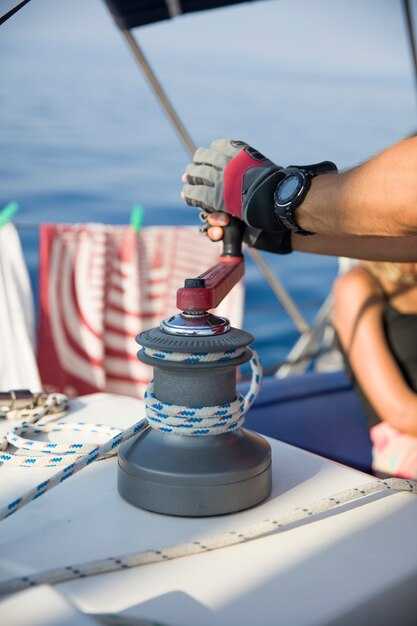
Start with a thorough clean of all vessels immediately after use: rinse with fresh water, scrub with brushes until surfaces look bright, then dry completely, sure to remove all moisture.
Store clean vessels in a covered area on several racks, keep them off the floor, and ensure airflow; dryness prevents mold and damage to integrity.
Seasonal care means inspecting seals, lubricating hinges with light oil, renewing coatings on gel coats, and noting signs that could become major issues much sooner.
Set a simple cycle: after every voyage, clean, inspect for cracks or damage, notice any misalignment, then make timely repairs or replacements at the least possible delay to avoid headache and life-threatening risks; ignoring leaks can make repairs impossible.
Keep fuels in approved, covered cans away from heat; vapors are life-threatening and require proper ventilation during loading and handling.
Maintain a compact kit: pliers, screwdrivers, brushes, rags, and a small flashlight; this kit speeds handling of fittings and clamps while avoiding hazards in wind or rain.
Notice common causes of deterioration: moisture under covers, algae on fittings, or fuel leaks at hoses; even minor signs require timely action to prevent disaster and major losses, reducing headache.
Choose covered storage with wind protection and gentle loading practices; use several covers to reduce sun exposure while allowing ventilation around vents and hatches, protecting surface integrity.
At least twice a year revise a written routine: wash, dry, inspect, and reapply protective coatings; making this habit ensures vessels stay reliable and ready while seasons shift.
Regular checks reduce the chance of hidden hazards and headache, keeping vessels safe and ready whenever wind rises.