


 العربية
  English (UK)
  Русский
  日本語
日本語  한국어
한국어  Magyar
  Türkçe
  Español
  Čeština
  Svenska
  Português
  Ελληνικά
  Suomi
Suomi  Nederlands
  Română
  Italiano
  Français
  Polski
  Українська
  Deutsch
  简体中文
简体中文  Slovenčina
 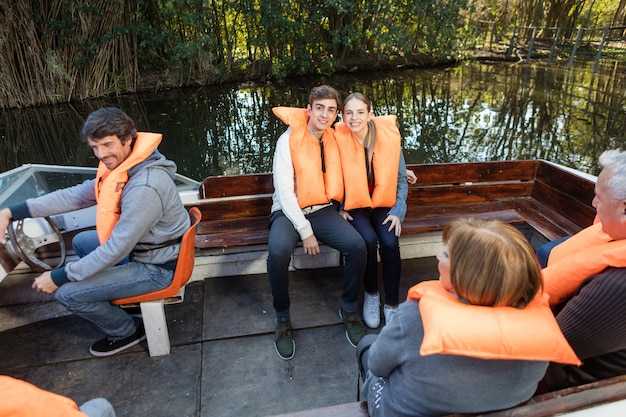 Boat Capacity Guidelines – Safe and Enjoyable Boating on the Water">

Recommendation: استخدم الآلة الحاسبة لتحديد حمولة آمنة، ثم ابق ضمن ٪80 من الحمولة المقدرة لكل سفينة؛ وهذا يقلل الانحراف؛ خطر الانقلاب، مما يوفر تقدمًا أكثر ثباتًا. هذا هو clear guidance.
Safety note: تجنب التكوينات العائمة الحرة؛ حافظ على وجود أجهزة الطفو الشخصية في متناول اليد؛ جهز قوارب النجاة؛ حافظ على فهم التفاعلات المتسلسلة التي يمكن أن تبدأ أثناء البحار الهائجة.
بالنسبة لأولئك الذين يقومون بتحميل التجارب، قم بوزن المعدات عبر الأجزاء للتحقق من التوازن؛ استخدم ملصقًا واضحًا على كل عنصر؛ البقاء ضمن الهوامش المقترحة أثناء النقل؛ هذه الممارسة تحسن الاستقرار.
في الطرق الساحلية، احسب مركز الثقل للحفاظ على الوزن فوق العارضة؛ وزّع الحمولة عبر الأجزاء لمنع مفاجآت الزخرفة؛ تحقق من ترتيب التعبئة باستخدام بيانات الملصقات، مما يخلق ظرفًا مستقرًا.
خلال برامج منتزه شيكاموجا، تقوم الفرق الميدانية بترتيب المعدات مع مراقبة تواريخ انتهاء صلاحية الشعلات الضوئية؛ والتحقق من إشعارات التخفيضات على المعدات، ثم تسجيل النتائج لتعزيز الثقة.
تساهم هذه المقاربة المحكمة في بناء الثقة من خلال خطوات قابلة للتكرار، مما يتيح عمليات عبور أكثر سلاسة، وتخطيطًا أكثر وضوحًا، وتجارب أكثر أمانًا للطاقم بالإضافة إلى الضيوف.
السلامة والسعة على متن القارب في الماء
توصية: اقتصِر على التحميل بالأرقام المصنفة لهذا النوع؛ ارتدِ سترات النجاة طوال الوقت؛ أَبقِ السباحين بعيدًا عن المنحدر؛ استخدم فحوصات على الضوابط؛ استخدم بيانات الأقمار الصناعية متى توفرت للتحقق من الموقع والغاطس؛ خطط للعمليات الليلية بما في ذلك الإضاءة البيضاء والعلامات المتباعدة جيدًا.
• الحفاظ على التحميل دون الحدود المقدرة؛ الحفاظ على مركز ثقل منخفض عن طريق التوزيع المتباعد؛ يجب احتساب الصابورة المعوضة؛ تحقق من وجود احتياطي كاف قبل الحركة؛ ضع في الاعتبار معدات الغوص بالقرب من مؤخرة السفينة؛ قم بتعيين سباحين إلى مناطق آمنة بعيدًا عن المنحدر؛ استخدم سترات نجاة عليها ملصقات مقاس واضحة للعيان؛ راقب الأحوال الجوية بعناية؛ اعمل من محطات مخصصة في الليل.
أثناء التنفيذ، احتفظ بسجل لكل ما يؤثر على الاستقرار؛ استخدم قائمة تحقق قبل الإطلاق؛ يجب أن تكون مصابيح الملاحة البيضاء مضاءة أثناء العمليات الليلية؛ راقب عناصر التحكم عن كثب؛ لا يمكن الاعتماد على الرؤية وحدها؛ استخدم أجهزة الاستشعار إذا كانت متوفرة.
باتباع هذه الخطوات، تكون النزهات أكثر أمانًا؛ استمتع بعبور أكثر هدوءًا عبر القنوات المحمية؛ مع خطر أقل، يكتسب الركاب الثقة؛ قم بإجراء فحوصات ما قبل الرحلة؛ قم بتخزين المعدات بشكل صحيح؛ احتفظ بسترات النجاة في متناول اليد مع وضع ملصقات واضحة؛ وثق النتائج للرجوع إليها في المستقبل باستخدام حساب بسيط.
كيفية حساب الحد الأقصى لسعة القارب لعمليات الغوص
توصية: تحديد سقف لعدد الأفراد بقيمة يمكنك التحقق منها بسهولة قبل النقل المخطط له؛ حساب الحمولة بالكيلوغرامات؛ تحقيق التوازن بين الغواصين وطاقم العمل؛ ضمان وجود سترات نجاة لكل مشارك؛ المضي قدمًا وفقًا للفحوصات؛ توزيع الركاب في محطات استراتيجية؛ الحفاظ على وضعية مقاومة للتعرض للعوامل الجوية أثناء التحميل.
نهج الحساب: عدد الأفراد = الجزء الصحيح ((حمولة كجم ناقص معدات كجم ناقص احتياطيات كجم) مقسومًا على حمولة الغواص كجم). حمولة كجم تساوي إجمالي كتلة السطح ناقص الصابورة والوقود والعناصر غير الخاصة بالركاب؛ معدات كجم تغطي بدلة الغوص؛ أسطوانة؛ زعانف؛ حزام الأوزان؛ نطاقات حمولة الغواص كجم من 45 إلى 60 كجم حسب المعدات؛ الحد الأدنى خلال الظروف الصعبة؛ تطبيق هامش مُخطط بنسبة 10-15% لمراعاة تغييرات البدلة والمعدات الإضافية ومعدات رمي الحبال؛ تعويض الاحتياطيات عن التغييرات المفاجئة في المعدات؛ هذا يضمن الثقة في نمط النقل.
إرشادات توزيع الحمولة: احتفظ بالوزن باتجاه المركز؛ أجلس مجموعات الركاب على كلا الجانبين؛ ضع سترات النجاة في محطات يسهل الوصول إليها؛ خصص منطقة النقل لمعدات رمي الحبال؛ ضع معدات مقاومة التعرض للعوامل الجوية بالقرب من المخارج؛ خصص مساحات لتبديل البدلات؛ انقل الهواء الاحتياطي؛ جمع أجهزة السلامة حسب العنصر.
إن الالتزام بهذه الخطوات يحسن الموثوقية؛ في البحار الهائجة، حافظ على هامش أمان إضافي؛ راقب عدد الأفراد؛ عدّل نسبة الطاقم المخطط لها إذا ساءت الأحوال؛ أعد فحص الحمولة مع كل تغيير في المناوبة؛ وُزّعت سترات النجاة؛ وُثّقت خطة النقل وفقًا للمحطات الموجودة على متن السفينة؛ تظل استراتيجية مكافحة التعرض للظروف الجوية جزءًا لا يتجزأ؛ تنمو الثقة مع التدريبات المتكررة. عدد الأفراد أقل بكثير من الحد الأقصى للطاقم.
توزيع الوزن والاتزان: وضع المعدات والأسطوانات والغواصين
ضع الأوزان الأثقل في الأسفل، بالقرب من المركز، للحفاظ على التوازن المستقر بسرعة؛ وقلل الارتفاع والانخفاض المفاجئ في حالة هبوب الرياح.
ضع الخزانات في موقع مركزي على هياكل شبه صلبة؛ هذا التوازن يوفر توجيهًا يمكن التنبؤ به أثناء المناورات المفاجئة.
بما في ذلك طوافات النجاة، وحبال النجاة، وحبال الرافعة؛ تثبيت بالربط الصحيح؛ تجنب التحميل الزائد بالقرب من المؤخرة.
ركن المعدات الثقيلة في منتصف السفينة على سطح مكشوف، بالقرب من المركز، للحفاظ على توازن ثابت.
تتبع الرعاية المتطلبات الاستراتيجية؛ يقلل من تحولات الزركشة المفاجئة أثناء الصعود؛ توجيه أفضل عند مواجهة البيئة.
يعتمد التكوين الذي يحقق حالة أفضل على نوع الهيكل ومركز الثقل؛ يؤثر تصميم فئة فيكتوريا على توزيع الصابورة. يجب أن تفي إضافة الصابورة بالمتطلبات.
تبقى طوافات النجاة قابلة للوصول إليها من المركز؛ يمتد حبل النجاة على طول الحافة لسرعة الوصول إليه؛ يجب أن يتوافق التخزين مع قواعد الفئة، وجداول الصيانة الدورية.
يوفر التخزين الآمن بالقرب من المركز المعدات في متناول الطاقم؛ ويقلل من المخاطر التي يتعرضون لها أثناء المناولة القاسية.
في غرفة الطعام، خطط لإزالة العناصر قبل بدء المهمة؛ هذا يحافظ على سطح السفينة خاليًا للصعود؛ عمليات الرافعة تظل سلسة.
| الموقع | الكتلة (كجم) | الملاحظات |
|---|---|---|
| خط المنتصف - سطح السفينة السفلي | 1200 | مركز ثقل منخفض؛ استقرار ممتاز |
| منتصف السفينة الأيسر | 500 | موازنة الحمل الجانبي |
| الجزء الأيمن من السفينة في المنتصف | 500 | التماثل يساعد في التوجيه. |
| منطقة المؤخرة بالقرب من المؤخرة | 400 | يقلل من تغيير زاوية المؤخرة. |
| صف خزانة المقدمة | 300 | يمنع حالة انحناء القوس الثقيل |
أجهزة التعويم الشخصية: متى ترتديها، وكيفية ملاءمتها، وصيانتها
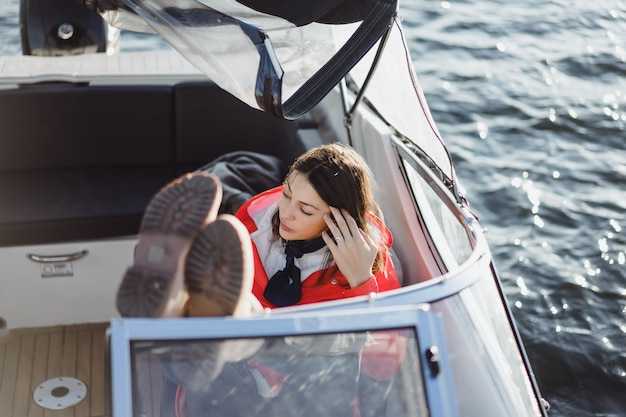
توصية: ارتدِ سترة النجاة الخاصة بك قبل المغادرة؛ واحرص على تثبيتها؛ واختر نموذجًا محكمًا؛ فالألواح البيضاء الساطعة تحسن الرؤية أثناء النزهات في البيئات المعتمة؛ وهذا يعني عودة أكثر أمانًا.
متى ترتديها:
- ارتدِهِ خلال أي نزهة تصبح فيها الظروف صعبة؛ مثل رحلات الصيد، وعبور الأمواج، وبالقرب من حواف الشاطئ؛ يمكن لمنطقة شيكاموجا أن تفاجئك بالهبات المفاجئة؛ إن إبقاء جهاز التعويم الشخصي (PFD) مثبتًا بإحكام يمنحك تجربة خالية من القلق.
كيفية القياس:
- ارتدِ سترة النجاة؛ اربط أحزمة الكتف بإحكام حتى يستقر الجزء الأمامي بشكل مسطح؛ أحكم ربط حزام الخصر؛ اضبط الإبزيم الأمامي لإحكام الإغلاق؛ قم بإجراء اختبار شد سريع للتحقق من الثبات.
- رفع الذراعين فوق الرأس؛ في حال ارتفع جهاز الطفو الشخصي (PFD)، تحقق من المقاس مرة أخرى؛ اضبط الأشرطة حتى تبقى الأكتاف مغطاة؛ مع الحفاظ على التنفس بشكل مريح.
- في الرحلات الطويلة، أعد فحص المقاس عند محطات التزود بالوقود؛ وتحقق من بقاء التوازن سليمًا؛ واحرص على إبقاء الجيوب التي تحتوي على صافرة أو مرآة إشارة في متناول اليد تحسبًا للحالات الطارئة.
Maintenance:
الصيانة: بعد كل رحلة، تفقد وجود أي تمزقات؛ تآكل في الخياطة؛ انضغاط الفوم؛ لا يمكن إصلاحه إذا كان الضرر شديدًا؛ استبدل الجهاز فورًا؛ قم بمراجعة السلامة مع الطاقم؛ اشطف بالماء العذب بعد رذاذ الملح؛ جفف في الهواء بعيدًا عن الشمس المباشرة؛ قم بتخزين هذه العناصر معًا في مكان مغلق؛ حافظ على سهولة الوصول إلى كل شيء؛ تحقق من وجود صفارات في الجيوب؛ كن على دراية بالتغيرات البيئية قبل المرحلة التالية؛ مع العناية الدقيقة، يظل جهاز PFD الخاص بك صالحًا للاستخدام لعدة مواسم؛ تبهت الألواح البيضاء تحت الشمس؛ يبقى الزخرفة صلبة؛ افحص الأشرطة بحثًا عن أي ارتخاء؛ استبدل الأجزاء البالية؛ البقاء على دراية يدعم الرحلات الخالية من القلق مثل تلك القريبة من Chickamauga.
تأمين معدات الغوص والأجهزة على سطح السفينة لمنع التحرك
ضع معدات الغوص في الرفوف الثابتة؛ وثبّت العناصر السائبة فورًا لمنع تحركها أثناء العمليات.
هذا يسري على كل من على ظهر السفينة.
- قم بتعيين مكان مخصص لكل قطعة على سطح المركب؛ استخدم الصناديق أو الجيوب أو الرفوف المٌعَلمة؛ ضع منظمات الغوص، والزعانف، وأحزمة الأوزان، والأقنعة، والبكرات في الخزائن المخصصة.
- Use non-slip mats or grip pads beneath gear; this reduces movement when deck tilts or rolls, near ramp or entry point.
- Tie down with handlines; loop through gear handles to create tight restraint; avoid loose ends.
- Secure apparatus such as buoyancy control devices, hoses with clips or lanyards; check clamps closed; latch points above splash zone.
- Perform systems check at start of each shift; confirm lashings hold under light load; verify during surge conditions.
- Set a clear resolution for securing tasks; assign responsibility to a single crew member who validates arrangement before operations commence.
- Place heavy items low on deck, below gunnel level; distribute weight between opposite sides to maintain trim.
- Keep gear near passageways uncluttered; avoid placing items across route near ramp or ladder.
- Use handlines to lash items to deck cleats; check tension times; replace worn lines immediately.
- Implement quick cleanup routine to remove moisture, which reduces movement of gear; include mirror checks for loose items before launch.
- Document included instructions in vessel manual; victoria references erwin tips, satellite cues, what to do if shifts occur.
- Place light gear above heavy bundles to avoid top heavy shifts.
- Only assigned crew may adjust lashings.
- Sales materials illustrate preferred clamps.
- Operate gear safely during rough seas.
- less equipment on deck minimizes risk; distribute load to secured positions.
Pre-Dive Safety Briefing and Emergency Procedures Before Launch
Initiate pre-launch briefing ten minutes before lift-off. Align crews. Assign headcount. Confirm roles. Identify escape routes. Review emergency procedures. Operating without briefing increases risk.
During briefing, address periodical risk checks. Cover gear locations. Present line-throwing options near accessible stations. Clarify repair responsibilities. Clarify evacuation routes.
Verify headcount for every shift. List their names. Define each role clearly. Place names within centre of deck plan. Those responsible for navigation. Those responsible for safety. Those responsible for rescue duties. Adds clarity to responsibilities. Ensure a visible list exists for later reference.
Pre-launch gear check: verify PFDs, line-throwing gear, radios, first-aid kit. Inspect near storage lockers. Ensure all gear is secured before lift-off. Apply corrections immediately if issues arise.
Emergency procedures: evacuating to standby craft or shore. Use line-throwing operations. Maintain headcount during transfer. Communicate clearly using radios or hand signals. Take notes on deviations for later analysis.
During refuelling, isolate engine area. Shut off ignition. Ground vessels. Remove flammable gear. Station crew near refuelling stations to watch for spills. Apply pausing if wind shifts.
Performance checks: monitor centre of gravity. Weigh loads carefully. Weighing data informs balance decisions. Use weighing data for load distribution. Place heavier gear near centre low on deck. Less weight on bow improves stability. Those measures apply to boats. This applies to ships of various sizes.
Sports crews require briefings on risk zones. Keep ride area clear during setup. Maintain headcount during transfers. Stations designate storage for sports gear. Installations near harbour require lane restrictions near splash zones. Evacuation routes must remain open.