


 العربية
  English (UK)
  Русский
  日本語
日本語  한국어
한국어  Magyar
  Türkçe
  Español
  Čeština
  Svenska
  Português
  Ελληνικά
  Suomi
Suomi  Nederlands
  Română
  Italiano
  Français
  Polski
  Українська
  Deutsch
  简体中文
简体中文  Slovenčina
 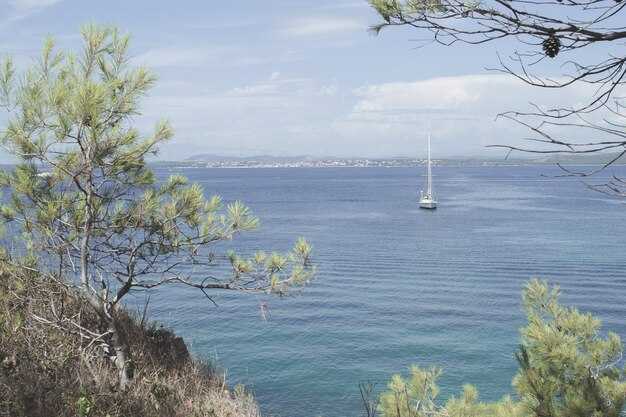 Best Places to Sail in Croatia – The Ultimate Island-Hopping Guide">

Plan a private 8-day island-hopping loop starting in Split and finishing in Dubrovnik, hitting places like Hvar, the Pakleni archipelago, Vis with the tucked-away cove of stiniva, and Korčula. Begin with a night in Split’s old harbor to soak in the granite walls, then cruise in the mornings when winds hover at 12–16 knots.
Statistics show the peak season is June–August, with typical summer winds of 12–18 knots along the Dalmatian coast. Reserve anchorages at popular harbors at least 6–8 weeks ahead, especially if you aim to stay near Hvar or Korčula town. For a balanced pace, mix days at sheltered coves with a hike along inland trails on Mljet or Vis.
Tips for a smooth cruise: anchor early to enjoy nightlife in Hvar, but keep a flexible plan to avoid crowds. On Korčula, stroll the history-filled lanes, then consider a winery visit. In Vis, plan a quiet soak by a sheltered beach after a hike to a cliff viewpoint, a breathtaking moment you’ll remember.
Cover the places with a mix of cultural stops and natural beauty: Mljet’s salt lakes, the dramatic cliffs of the Pakleni islands, and the secluded coves near stiniva. Marketing messages often highlight these highlights, but you’ll feel the focus wherever you anchor. everywhere you go, history and sea scenery merge into unforgettable experiences.
To start now, pick a route that balances popular places with hidden coves, and schedule sails around reliable winds. Use marketing resources to map top moorings and tips for weather windows. This approach keeps the itinerary dynamic, with moments of immersing in the Adriatic history and the sparkling nightlife atmosphere, while your crew carries memories that last long after the sails are stored.
Island-Hopping Routes and Practical Planning
Begin with a private, 5‑day Split–Hvar–Korčula loop on a chartered yacht; this world-class itinerary delivers crystalline waters, serene coves, and a romantic vibe ideal for honeymooners or family adventures.
Day 1 sails from Split to Hvar, stopping in Pakleni islets and bays that glow with natural light. Cover roughly 20–25 nautical miles, enough to arrive by late afternoon and drop anchor in a protected cove or in a legitimate marina, then dine onboard with a view that feels private even when crowds are nearby.
Day 2 continues to Korčula along well‑charted routes like the Korčula Channel or the sheltered passages toward Lumbarda. The leg runs 25–40 nautical miles, depending on the chosen harbors, and offers islets to explore and crystalline water to swim in. In the town of Korčula you’ll find world‑class seafood and quiet lanes perfect for a romantic stroll after sunset.
Day 3 ventures to Mljet, with stops at Saplunara’s sandy coves or the protected coves around Polače. This 20–28 nautical mile third leg provides pristine nature, abundant greenery, and serene water around Mljet National Park, where you can learn about local flora and sea life in an effortless way.
Day 4 can loop toward Vis or Brač, depending on wind and mood. Vis offers secluded anchorages or private moorings near towns, while Brač adds mountainous shorelines and islets that invite exploration. The route usually stays in the 35–40 nautical mile range and gives you multiple options for flexible day plans.
Day 5 threads back toward Split, with a final leg of 25–40 nautical miles. You’ll pass everywhere along croatias coast where cruising remains easy for first‑timers and seasoned skippers alike, and you can end with a sunset sail that feels like the perfect bow on a small, private adventure trip.
To tailor routes, rely on an experienced skipper and a crewed option when you want to learn hands‑on sailing techniques or simply enjoy more time on deck. Croatia’s coast supports third‑party itineraries and DIY charters alike, but a crewed or partially crewed plan often proves more efficient, especially for families, honeymoons, or groups that want a seamless rhythm between sailing and shore days.
Practical planning tips: book marinas and anchorages in advance during peak months, choose stable, protected coves for long stops, and keep flexible days to swap islets or islands like Brač, Hvar, Vis, Korčula, and Mljet if wind shifts. Opt for a legitimate, well‑maintained yacht with a licensed skipper if you’re new to bluewater sailing, or choose a private charter with a captain you trust for a smoother experience. Croatias coastlines offer many safe harbors and calm lagoons, making it easy to pace a trip for honeymooners or families, with options to switch to a more adventurous plan or to relax in serene, crystal‑clear coves.
Budget wise, expect daily rates for private yachts to range based on season and boat size, with charters including skipper in many packages; you can negotiate add‑ons like snorkeling gear, kayaks, or stand‑up paddleboards to enrich the adventure. If you want a truly romantic frame, add a sunset cruise one evening and a private beach picnic on a quiet islet to maximize the experience, a setup that works well almost everywhere on croatias routes.
Dubrovnik to Split: A 7-10 Day Island-Hopping Route
Begin with a daytime sail from Dubrovnik to Lopud, the first stop, to set a relaxed pace and soak in the splendor of the Elafiti islands. A sunsail boat makes this leg simple, with sheltered coves and plenty of anchorage options. There you can swim, snorkel near Sunj Beach, and savor fresh seafood as the sun dips toward the horizon.
Day 2 takes you across to Mljet, where Saplunara and the Mljet National Park offer calm water and protective coves. Across the lakes you’ll find plenty of shade and easy trails to discover the Great and Small Lakes; biking or paddling adds a quiet contrast to the sailing. A voluntary eco-practices approach helps protect reefs and wildlife; nature reveals itself in pine scent and clear water, creating peaceful mornings and vibrant evenings.
Day 3 sails you from Mljet to Korčula Town, where architecture and stone walls tell a storied past. The old town rewards a stroll along the seawall, with windows into traditional Dalmatian life and a harbor view that shines at dusk. Enjoy seafood and local wines, a perfect pairing after a stroll through narrow lanes and a sunset over the harbor.
Day 4 brings a crossing to Hvar, with anchor options around Milna or the Pakleni Islands. This is the best balance of activity and rest. Hvar blends a lively spotlight with peaceful coves and hidden beaches; you can hike or drive to hilltop viewpoints for a sweeping view across the channel. The cuisine features fresh octopus, sardines, and lavender desserts that capture the island’s flavor, ideal for a relaxed dinner aboard.
Day 5 heads to Brač, anchoring at Bol to stand on Zlatni Rat and watch the wind sculpt the coast. A short ride to Vidova Gora rewards you with a panoramic view of the coast and neighboring islands. After a swim, dine at a seafront taverna and sample local specialties; there’s plenty of time to explore the chalky trails and peaceful coves along the southern shore.
Day 6 offers an optional sidestep to Vis and Biševo for cave swims or, if you prefer, a direct push toward Split. If you choose Vis, Komiža and Stiniva Cove deliver dramatic cliffs and clear water; the Blue Cave detour remains optional but memorable. On the direct route, you’ll anchor near Split’s outskirts and prepare for the final flourish of this stretch.
Final stretch to Split lets you linger along the coastline and anchor near Marjan or the historic waterfront. In Split, architecture shines in Diocletian’s Palace, with marble floors and courtyards that invite daytime strolls. Discover Dalmatian cuisine at one of the harbor-side tavernas, and reflect on the holiday across seven to ten days as you plan a future voyage with friends, making memories together and enjoying the peaceful view of the Adriatic. There is much to discover on future voyages; the internet keeps you connected in the marina, while a respectful anchoring policy helps protect reefs for all.
Top Islands for Anchoring and Moorings: Hvar, Korčula, Brač, Vis
Begin with Hvar as your anchor hub: you’ll find reliable buoy moorings near the harbor and protected coves along the southern coast, making it easy for everyone to settle in and enjoy yachting from day one.
On Hvar, choose spots with a solid bottom and good shelter from winds, and use buoy moorings in busy stretches to keep traffic orderly. This atmosphere suits crews chartering for the first time, while island shops and family-run taverns along the citys waterfront offer quick provisioning. Technologies such as chart apps help you track buoy locations, reviews, and weather, and the maritime records at the harbor office keep your passage above board. This setup also ensures you’re ready to switch to a quieter nook if a strong gust arrives, while the sound of waves and Mediterranean scent enhances the overall adventure. Be mindful of protected beaches and restricted zones, and respect policy and local requirements for overnight stays.
Korčula presents calm anchorages along its north coast and a reliable mooring network in Korčula town. If you prefer a quieter scene, anchor in sheltered coves that extend your stay without crowding the line. For yachting crews, this option delivers a strong history of seafaring and a practical layout for short hops to nearby islands. ACI or local marinas provide above-water amenities, while shops and cafés line the waterfront for easy refueling. Track your route with maritime technologies, and keep a close eye on the records posted by port authorities. This balance of accessibility and tradition makes Korčula feel authentic while still welcoming to guests who want a comfortable base for exploration–everyone can find a suitable spot here.
Brač blends dramatic coastlines with reliable moorings around Bol and quieter harbors such as Pučišća. In Bol, the Zlatni Rat area draws day visitors, but there are protected anchorages just a short sail away if you prefer solitude. Pučišća and Milna offer calmer options with sandy or gravel bottoms that suit steady anchors, while the beaches along the south coast invite a swim after a coastal track. Chartering here gives you ready access to shops and provisioning points, and the maritime policy in busy bays remains straightforward when you respect buoy fields and local regulations. Technologies help you plan your day, and the history of Brač’s shipyards and coastal communities adds depth to your stay for those who want a richer context for their adventure.
Vis stands out for clear water, protective bays, and well-marked mooring areas near Vis town and Komiža. Stončica Bay provides a dependable shelter when wind shifts, and the main harbor offers reliable moorings for longer visits. Komiža’s wind-swept lanes and its small museums add flavor for your downtime, while the beaches and sea caves nearby become a natural extension of your sailing track. If you’re curious to compare routes, šolta offers a different maritime atmosphere that can enrich your overall plan. In Vis, you’ll find ready-to-use services, friendly harbor masters, and a strong party of other yachts ready to swap tips after a day on the water. The sound of waves, the taste of fresh seafood, and the sense of maritime history align to extend your adventure into a memorable chapter of your voyage.
Seasonal Winds, Weather Patterns, and Optimal Charter Windows
Plan your charter for late May–early June or mid‑September–early October to maximize reliable Maestral winds and calm seas. These windows offer steady afternoon breezes around 12–22 knots, light chop in sheltered bays, and comfortable anchorages near beaches, making the experience ideal for lovers of sailing and those seeking natural atmosphere along the coast.
Maestral dominates the Adriatic in warm months, delivering a predictable daily cycle: winds pick up in the afternoon from the northwest and ease by night. Typical conditions hover in the 12–22 knot range with seas generally under 1.5 m near the chain of islands. For routes, choose sheltered tracks that stay close to the coast, letting you hop between small places and beaches without long open-water crossings. In contrast, Bora and other strong northeast pushes appear mainly in late autumn and winter, bringing gusts that can exceed 30–50 knots in exposed passes; these bursts shorten passages and favor routes that stay inside protected channels. Sirocco, a warm southeast wind, shows up in late spring and early autumn with speeds around 15–25 knots and occasional higher gusts; it can raise the sea state in open stretches, so plan for shorter hops when it materializes and seek natural protection behind islets and coves. These patterns matter because they shape daily decisions about where to anchor, which routes to take, and when to hike ashore for a quick break near a sandy cove or a rocky cliff with sweeping views.
Stiniva, a famous sheltered cove on Vis, illustrates how place choice matters: when the wind is within the Maestral range, it becomes a perfect anchor spot with a natural amphitheater of cliffs and a quiet beach just a short walk from the boat. If the wind shifts toward the north or strengthens, this area allows a safe retreat to deeper bays or nearby coves for withdrawal from stronger gusts. These anchorages are part of a broader set of natural options along the coast that buyers and skippers use to balance needs for contact with the marine environment and protection from swell. For those planning trails or short hikes, the surrounding hills offer a pleasant walking option with relatively gentle ascent and rewarding views over the citys and coastlines below.
لتحقيق أقصى قدر من الراحة والأمان، ابنِ خطتك حول ثلاث أفكار عملية: أولاً، اختر قاعدة بمأوى جيد وسهولة الوصول إلى متجر للحصول على المؤن؛ ثانيًا، ضع خريطة لمسار ثالث في حالة اضطرار تغيرات الرياح إلى تغيير سريع؛ وثالثًا، حافظ على جدول زمني مرن يسمح لك بتعديل وتيرة اليوم، واستبدال مسافة طويلة بسلسلة من القفزات القصيرة، والاستمتاع بلحظة من المشي لمسافات طويلة أو التوقف على الشاطئ كلما دعت الحاجة. تساعدك هذه التعديلات على إبقاء القارب تحت السيطرة أثناء الاستمتاع بالمناظر الطبيعية، وآثار المسارات على طول الأرخبيل، والأجواء المحلية النابضة بالحياة. إذا كنت مسافرًا مع شريك، فيجب أن تتسع الوتيرة لكل من محبي غروب الشمس الهادئ وأولئك الذين يريدون جلسة إبحار أكثر حيوية بعد الظهر بعيدًا عن الحشود.
| الموسم/النافذة | الرياح السائدة | Typical Speed (knots) | أفضل نافذة استئجار | المسارات/الموانئ المقترحة |
|---|---|---|---|---|
| Late May – Early June | معظم الأيام رياح شمالية غربية (مايسترال). | 12–22 | بحار هادئة، حشود معتدلة | قفزات قصيرة بين هوار – براش – كورتشولا؛ خلجان محمية بالقرب من ستينيفا وخلجان ساحلية |
| سبتمبر - أوائل أكتوبر | لا يزال المايسترو مستقرًا؛ رياح الشهيلي محتملة | 10–20 | هواء دافئ، رياح مستقرة | دائرة فيس-لاستوفو: رحلات يومية مرنة مع نقاط رسو سريعة في شواطئ صغيرة |
| الخريف - الشتاء (أحياناً) | رياح البورا (شمالية شرقية) وهبات رياح قوية في الممرات المكشوفة | تصل إلى 40-50+ في بعض الهبات | استخدم طرقًا محمية؛ وتجنب الممرات الطويلة. | الخلجان المواجهة للغرب، الخلجان المحمية القريبة من المدن، المسارات الحذرة القريبة من الخطوط الساحلية |
تساعدك بيانات الطقس على تخصيص يومك: استخدم توقعات الطرف الثالث لتحولات الرياح، وخطط ليومك حول إيقاع طبيعي، واحتفظ بخطة احتياطية جاهزة. إذا دفعك تحول في اتجاه الرياح نحو طريق مختلف، فيمكنك التبديل إلى مسار أقصر وأكثر حماية لا يزال يوفر نفس الفرص للسباحة والمشي لمسافات قصيرة والتصوير الفوتوغرافي. للحصول على إعداد عملي، اتصل بالوسيط أو مشغل التأجير الخاص بك في اليوم السابق لمغادرتك لتأكيد أحدث توقعات الرياح وحالة البحر؛ يمكنهم تعديل احتياجاتك وتأكيد أفضل ميناء لنزهتك الصباحية المخطط لها أو نزهتك المسائية على طول الشواطئ. احتفظ دائمًا بكمية صغيرة من الماء على متن القارب، وتذكر أنه في الطقس الدافئ، يمكن أن تكون النزهة السريعة إلى نقطة مراقبة هي إعادة الضبط المثالية قبل غروب الشمس على متن القارب.
تموين ومراسي وميزانية على متن القارب لرحلات بحرية في كرواتيا
خطّط لنقطتي تموين رئيسيتين: دوبروفنيك قبل الإبحار وكورتشولا خلال تنقلك بين الجزر، ثم املأ النواقص في سبليت أو زادار لإعادة تخزين الأساسيات. تحافظ هذه الطريقة على الطعام طازجًا وتقلل من الزيارات المفاجئة، وتتيح لك الإبحار مع مطبخ هادئ.
ابحث عن المنتجات الطازجة في الأسواق القريبة من ميناء Gruž في دوبروفنيك وفي مدينة كورتشولا؛ وابحث عن الطماطم الناضجة والزيتون والجبن المحلي والخبز المخمر والأسماك الموسمية. اشترِ بكميات كبيرة قدر الإمكان وخزّنها في صناديق تبريد لامتصاص الأيام الزرقاء الطويلة. يمكنك بسهولة العثور على خيارات تناسب قائمتك، ويساعدك إنشاء قائمة بسيطة على البقاء منظمًا.
المراسي: اختر أرصفة ذات مياه وكهرباء موثوقة، مع سهولة الوصول سيراً على الأقدام إلى المركز التاريخي. في ذروة الموسم، توقع 140-230 يورو في الليلة لليخت بطول 12-14 مترًا في الموانئ الرئيسية؛ وفي موسم الذروة الانتقالي 60-120 يورو. في دوبروفنيك وسبليت، أعط الأولوية لمراسي ACI للحصول على أسعار يمكن التنبؤ بها ومرافق جيدة. توفر كورتشولا والموانئ القريبة أيضًا مراسي محمية مع مناظر خلابة ومداخل أكثر هدوءًا، وهي مثالية بعد يوم طويل عبر البحر الأدرياتيكي الأزرق.
الميزانية على متن السفينة: خصّص ميزانية مشتركة للتزويد وميزانية منفصلة لرسوم المرسى. بالنسبة لطاقم مكون من 6 أفراد على متن يخت متوسط الحجم، تتراوح تكلفة التزويد بين 180-380 يورو في الأسبوع؛ ورسوم المرسى بين 420-980 يورو في الأسبوع؛ والوقود بين 70-150 يورو في الأسبوع؛ والمرافق والخدمات الإضافية بين 30-60 يورو في الأسبوع. يتيح لك هذا الإطار إدارة التكاليف عبر الجزر وربط الوجبات بتجارب لا تُنسى على الشاطئ.
المعلومات والتخطيط: ضع خريطة لمسارك عبر ساحل دالماسيا، مع تدوين المعالم البارزة مثل قصر دقلديانوس في سبليت، والمدينة القديمة في كورتشولا، وأسوار دوبروفنيك. استخدم مواقع المراسي الرسمية والأسواق وأوقات المشي لتقدير المسافات والجداول الزمنية. تُظهر الإحصائيات الصادرة من الوسطاء أن العديد من الأطقم يفضلون التموين في دوبروفنيك وسبليت لتحقيق الكفاءة والسهولة.
جاهزية الإرسال: قبل أن تفك الرباط، اختبر إرسال جهاز VHF وبيانات الملاحة؛ احتفظ ببطاقة احتياطية وخطط لنوافذ الطقس. حافظ على تماسك الطاقم واستمتع بالساحل المذهل حول البحر الأدرياتيكي الأزرق.
نموذج خط سير لمدة 7 أيام: محطات يومية ومسافات وأهم المعالم التي يجب رؤيتها
ابدأ خطتك بالذهاب من سبليت إلى براش (بول) لبداية هادئة ومناظر ساحلية شهيرة. يوفر هذا الطريق الكثير من المراسي المحمية، مثالي للأزواج والإجازات على حد سواء، مع وضوح تحت الماء وخيار الخلجان الجذابة.
-
اليوم الأول: سبليت ← براش (بول)
- Distance: 18 NM
- أماكن لا تفوتها: شاطئ زلاتني رات، مدينة بول القديمة، مسار فيدوفا غورا الجبلي
- نصائح: قم بالإرساء في قناة بول أو بالقرب من خليج لوفريتشينا؛ احصل على موافقة ربان الميناء قبل الدخول؛ المسارات الداخلية تبقيك في مياه أكثر هدوءًا؛ فكر في جلسة غطس سريعة للاستمتاع بالرؤية تحت الماء
-
اليوم الثاني: براݘ ← هوار
- Distance: 22 NM
- أماكن يجب زيارتها: جزر باكلي (رحلة قصيرة بقارب صغير)، برج الساعة في مدينة هوار، التنزه إلى فورتيكا
- نصائح: استأجر زورقًا من Sunsail للخلجان المحمية، واستمتع بالكثير من المقاهي على الواجهة البحرية؛ يبلغ الصخب ذروته في المساء، لذا ارسُ بعيدًا عن الرصيف للحفاظ على سلاسة الاتصال.
-
اليوم الثالث: هفار ← كورتشولا
- Distance: 40 NM
- أبرز المعالم: أسوار مدينة كورتشولا القديمة، وكاتدرائية القديس مرقس، ومنزل ماركو بولو
- تسليط الضوء: تجول في الأزقة الحجرية، وتذوق النبيذ الأبيض المحلي، واقرأ اللوحات الإرشادية في المرفأ؛ تكشف الطرق الداخلية على طول الساحل عن خلجان غريبة.
-
اليوم الرابع: كورتشولا ← مليت
- Distance: 25 NM
- أهم المعالم: منتزه ملجت الوطني (Veliko Jezero وMalo Jezero)، بحيرات المياه المالحة، مسارات أشجار الصنوبر الساحلية
- نصائح: انغمس في الطبيعة، وقم بالغطس لفترة قصيرة تحت الماء بالقرب من البحيرات، وخطط للسباحة الهادئة بعد الظهر؛ يوصى بالحصول على موافقة من سلطات المنتزه للأرصفة المحددة.
-
اليوم الخامس: مليت ← لوبود
- المسافة: 23 ميلًا بحريًا
- أماكن لا تفوتها: شاطئ سوني على جزيرة لوبود ودير الفرنسيسكان والمسارات على جانب الجرف.
- نصائح: استمتع بنزهة هادئة في شوارع قرية لوبود؛ تنزه سيرًا على الأقدام على طول الخط الساحلي إلى خليج محمي؛ الكثير من البقع الهادئة للسباحة عند غروب الشمس
-
اليوم السادس: لوبود ← ستون (بيليهاتس)
- Distance: 28 NM
- أماكن يجب زيارتها: مزارع محار مالي ستون، أسوار ستون، محجر الملح في خليج مالي ستون
- نصائح: تذوق المحار الطازج، وخطط لرحلة قصيرة بالتاكسي المائي إلى الخلجان القريبة؛ وتأكد من الحصول على الموافقة على الرسو بالقرب من الجدران إذا لزم الأمر.
-
اليوم السابع: ستون ← سبليت
- المسافة: 60 ميلًا بحريًا
- أماكن لا تفوتها: قصر دقلديانوس، كورنيش ريفا، مطل تلة مارجان
- Tips: use information booths for martime updates, keep a steady pace to avoid fatigue; this leg offers incredible scenery and a spot for a wonderful last-night vacation memory
This itinerary highlights inner routes and iconic stops, with marketing-style spotlight moments balanced by practical information and clear tips. It suits active couples and travelers seeking plenty of coast-time, unforgettable snorkeling, and a hike-filled pace that keeps vacations engaging because you’ll cover Brač, korčula, Mljet, Lopud, Ston, and back to Split with consistent sailing days. The plan leaves space for spontaneous dips, and it emphasizes consent, safety, and smooth communication with harbors and crews for a wonderful experience.