


 العربية
  English (UK)
  Русский
  日本語
日本語  한국어
한국어  Magyar
  Türkçe
  Español
  Čeština
  Svenska
  Português
  Ελληνικά
  Suomi
Suomi  Nederlands
  Română
  Italiano
  Français
  Polski
  Українська
  Deutsch
  简体中文
简体中文  Slovenčina
 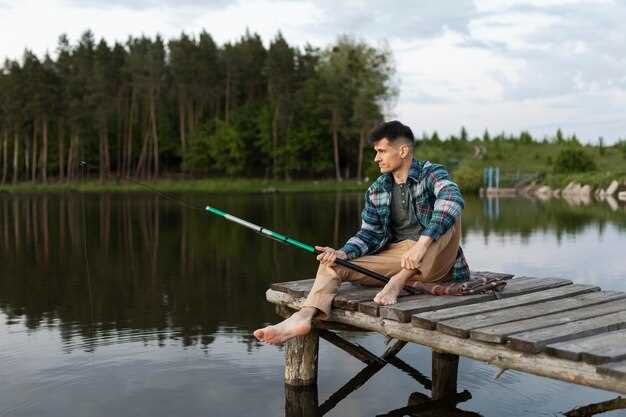 Best Pike Fishing in Maine – Top Spots, Tips & Gear">

Use a minimum 12 lb test fluorocarbon leader and a short 12–18 inch tippet tied to soft lures. Before someone heads out, understand the center of weedlines and current seams; within these zones the first strikes tend to come in calm mornings.
Over years of trial and error, the most promising location clusters around shallow bays, bends, and weed edges where cover concentrates. A single hot spot along a shoreline drop can yield multiple chances per trip when you pair a reliable lure with a steady, low-rate retrieve. Use an electronic depth finder to confirm a center-depth range of 6–12 meters, then present live shiners or a soft-bodied lure just above structure. Keep line tight and react fast when the target comes within reach.
During the period around spring pre-spawn and autumn turnover, water clarity and temperature shift, and the outcomes improve when you tailor color and retrieve cadence. A protective glove on the guiding hand and a confident, quite quick strike are part of the routine. Angler should read the location cues–weed edges, submerged timber, and drop-offs–then cast short, precise lines into the structure. For the angler, these cues are repeatable.
Beyond live shiners, dependable options include soft plastics and small spoons; color choices lean toward natural browns and chartreuse in stained water. For every trip, pack protective gear and a spare spool with a robust tippet. An electronic depth finder helps you center your cast on weedlines and holes, reducing wasted time. When you locate a promising spot, rotate through lures and adjust cadence to avoid overplaying a single location. Plan each period with a simple field log to track weather, water temps, and productive lures.
In This Issue
Target stillwater zones at dawn in lakes around fairfield, using a stealth approach to locate ambush areas along the bottom where logs lie on drop-offs.
Where structure transitions from shallow to deeper water, logs create cover that prove reliable indicators and guide targeted checks across the northern range.
Enthusiasts should rely on a guide to sweep the area, using a targeted plan that stays within the limit and minimizes disturbance; thats a core rule before moving on.
What to look for: location cues such as stillwater pockets, northern coves, and the bottom contour where drop-offs meet weed beds; this information helps you pick the next place to check.
Before you commit to a full outing, consult logs from a guide and enthusiasts to create a clear, targeted plan and to avoid unnecessary disturbance in quiet lakes.
The range of locations includes several fairfield-area lakes, where you can test different depths and timing; use this issue to map your route and set a practical limit on daily exploration. If you’re worried about disturbance, keep voices low and plan weekday checks.
Pushaw Lake: A Rising Hotspot for Northern Pike
Begin with a heavier setup and cast toward weed edges where shallow bays meet deeper pockets; aggressive Esox here respond to surface lures and often strike quickly. Use a two‑stage plan: start with topwater action at first light, then switch to deeper-running lures as the sun climbs. Thompson’s notes from local sessions emphasize structure-focused casts along outer weed lines, extending into bay mouths. Here is a practical path to success.
Pushaw Lake presents a broad fishery with miles of shoreline and several bays feeding into a central basin. Deep pockets reach roughly 20–25 feet, while weed lines stay active around 5–12 feet for much of the season. In the state, anglers have noticed an increasing interest in this waterbody, with more anglers finding productive windows as fronts move through and water clarity improves after periods of wind.
- Spot strategy: target weed edges near points and inlets; look for breaks where 8–12 feet slope quickly to 20–25 feet. Use sonar to map pockets and follow channel transitions that connect bays to the main basin.
- Tackle and hooks: using heavier tackle pays off here. Opt for a 7’6″–8′ medium‑heavy rod, 15–25 lb braided line, and a 20–30 lb fluorocarbon leader. Choose treble hooks or durable single hooks sized to match larger inline spinners and spoons.
- Lure selection: surface lures, large spoons, and bucktails draw aggressive targets; deeper baits like shallow‑divers or blade baits fill the middle zone. Here, larger presentations usually outperform small profiles, especially on guided trips or after fronts.
- Retrieval study: start with quick, aggressive pulls to provoke reaction bites, then pause briefly to invite follow‑up strikes. Backward sweeps along the edge can trigger wary fish during slower afternoons; alternating patterns help cover both shallow and mid‑depth zones.
- Timing and conditions: dawn and dusk windows tend to produce the strongest action, with water temperatures in the pleasant range for Esox activity. After fronts, expect higher success as fish move along weed lines and toward feeding pockets.
- Findings and local input: in recent seasons, reports show a steady rise in bigger fish taken from deeper pockets in late spring through early summer. The trend has paralleled an increase in separate lures being used, with others sharing that the best days begin with a broad search across 5–12 feet, then shift deeper as light and wind change.
Conclusion: to capitalize on this rising destination, keep your plan flexible–start with surface action to locate aggressive fish, then switch to deeper, heavier presentations to traffic the mid‑depth channels. Using precise casts along the edge and targeting weed–rock interfaces usually yields the strongest bites, while respecting local rules and conservation practices helps ensure the fishery remains productive for years. If you’re chasing larger specimens, expect longer spans between takings but a higher payoff when you connect; the lake’s structure and state of its fishery support increasing trophy potential, provided you stay patient and disciplined with your retrieves.
Pushaw Stream Pike: Access, Tactics, and Best Baits
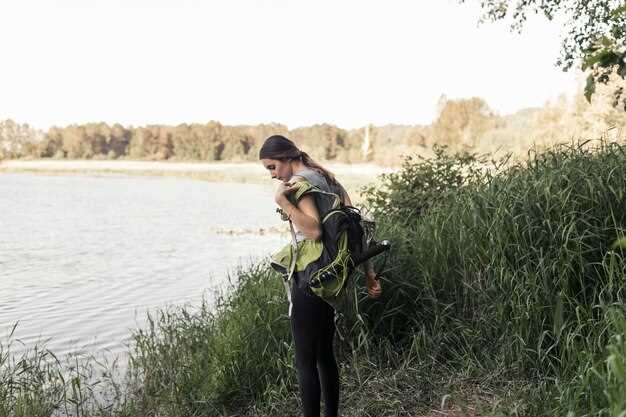
Begin with a concrete plan: approach from the public access at the stream’s mouth and work the nearshore weedlines using a fast surface lure; if days pass without takes, drop to a smaller, sinking pattern and perform a lifting, then sink retrieve to probe deeper pockets along the seams.
- First access: the public ramp at Pushaw Lake’s outlet gives quick entry to shallow shelves and the first weed edges–a reliable starting point for morning moves.
- Second access: Jenkins Road bend, with a narrow path to exposed current and deeper runs; use this as a backup when the main ramp crowds up.
- Whitlocks area: shore access on the west side; check signs and obtain permission if required, then focus on the channel edges where water moves faster.
The fishery responds to water and weather changes, so target zones that concentrate bait along rivers feeding the stream. Preferring spots where the current creates edge lines–weedlines, Ambush pockets, and the outside of bends–yields consistent action across days with shifting weather. Start with a surface offering to entice takes, then switch to a deeper, smaller pattern when fish hold in cooler, shaded areas; even when conditions remain calm, a fast, accurate stop-and-go retrieve can provoke line-tight bites.
- Access strategy: move along the stretch, comparing Jenkins and Whitlocks areas for bite timing; if one area slows, shift to the second to keep the action steady.
- Target zones: weedlines, current seams near inflows, and shallow bays that hold smaller forage; bigger specimens often hold just off the main channel in slightly deeper pockets.
- Action cadence: in clear waters, use a quick lift followed by a deliberate sink to mimic fleeing bait; on murkier days, keep the lure in the upper strata with a more aggressive surface presentation to entice reads and looks from wary fish.
When it comes to lure selection, think versatile, perch-patterns, and natural colors that mirror local forage. For many anglers, a surface plug yields fast action in the early light, while a sinking jig or plastics rig assists in deeper, shaded zones. Jenkins and Whitlocks note that preferring smaller, agile offerings early in the day often leads to taken bites, with bigger, more aggressive baits stepping in as water warms. Although the window can shift with weather and barometer shifts, the core approach remains consistent: entice with surface until fish commit, then drive through with a controlled retrieve to keep the lure moving in the strike zone.
- Best baits: use surface plugs to spark fast takes along weed edges and shallow shelves; switch to perch-colored plastics and small spoons that sink at a steady rate when fish retreat to deeper pockets.
- Bait patterns: smaller baits first, then gradually escalate to bigger patterns as the day progresses and the water warms–this sequence aligns with the tendency for bigger fish to move into the current pockets later in the day.
- Retrieve styles: incorporate a lift-and-will pattern, followed by a sharp pull with a paused sink; keep the line tight during the keep, then give the lure room to dive and reappear in the surface layer.
In practice, days spent chasing this predator around Pushaw Stream reward patience and a willingness to adapt; the surrounding waters, currents, and weedlines create multiple ambush zones that can yield multiple targets per session. Having a backup plan for shallower flats and a deeper seam helps ensure you stay in the action even when water clarity or light changes. Perch and small baitfish indices drive the bite, so matching those patterns with faster, accurate retrieves increases the odds of a crack in the surface and a successful lift at the end of the strip.
Top Spots for Maine Pike: Lakes and Rivers to Target
Begin with Umbagog Lake and downstream stretches of the Androscoggin spanning two states, in late spring, when temperatures rise and feeding activity increases. Focus weed lines and coves where warm pockets form near inflows and tributaries feeding the rivers; deploy bigger lures on 12- to 20-pound line to reach deeper schools.
Sebago Lake presents reliable pre-summer action as beaver ponds feed warm pockets along weed edges within coves that warm fastest. Look for young baitfish schooling near shallow points and along flats; try surface or mid-depth lures during early hours, then switch to faster-running plugs as temperatures climb.
Rangeley Lakes and the rivers downstream from that basin offer chances for bigger specimens; during the annual cycle, target the outer weed edges and the line where deeper water meets reedy bays. Early mornings and late evenings concentrate activity; cast larger lures that imitate fleeing bait and experiment with line choices to reach deeper targets.
Moosehead Lake provides extremely steady action for ones who cover the shallows and mid-depths; target coves where beaver activity has created structure, and chase warmer pockets along the shoreline as temperatures rise. Past seasons show that pictures from anglers confirm bigger individuals congregating near weedlines and outlets downstream.
Keep a compact kit: lures for cover, a reliable line, and fluorocarbon leaders for snag-prone areas; consider a trap rig for rocky banks and heavy cover. Follow pre-summer windows, stay within weedlines, and note annual shifts in activity; author notes and field observations help you adjust on the water and capture opportunities that last forever.
دليل المعدات: القصبات، البكرات، الطعوم، والخيوط الخاصة بسمك الكراكي
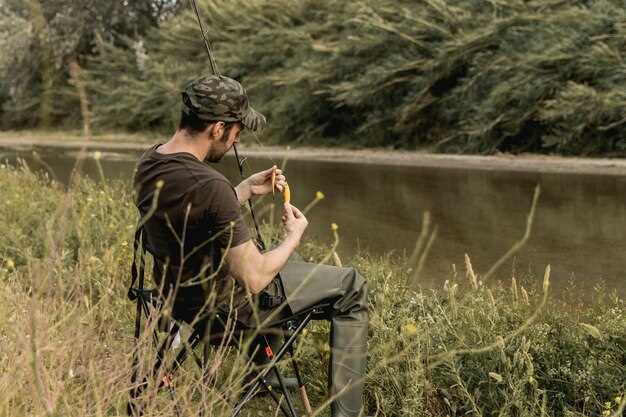
ابدأ بقضيب صيد متوسط الثقل وسريع الحركة بطول 7’6 بوصة إلى 8’6 بوصة مُقترنًا ببكرة من سلسلة 5000-6500 وخيط رئيسي مضفر بوزن 50-80 رطلاً، بالإضافة إلى قائد فلوروكربوني بوزن 20-40 رطلاً؛ يمنحك هذا الطقم الأطول تحكمًا في أسماك البايك الأكبر حجمًا في المياه الراكدة وعلى طول المياه المتحركة في ولاية مين، للسماح برميات طويلة في الظروف العاصفة.
يمكن أن يساعد استخدام بكرة قوية ذات مقاومة سحب سلسة وعداد للخط في تتبع المسافة؛ اربط قائد فلوروكربون بطول 28-36 بوصة بجديلة 50-80 رطلاً لتقليل حالات قطع الطعم بسبب الأفواه الحادة مع الحفاظ على الحركة في المناطق العميقة. يسمح هذا الإعداد بتغييرات سريعة في القائد للتكيف مع الظروف.
تشمل الطعوم التي يجب تحميلها شريطة بيضاء/صفراء مخضرة، وذيل أيل ثقيل، وملعقة كبيرة، وطعم كبير وصلب الجسم؛ اختبر تركيبة شريط وملعقة في نفس الرمية لترى ما هو الأفضل في ظروف المياه المختلفة؛ لقد نجحت هذه التركيبة في سياقات الصيد في ولاية مين.
في المياه الراكدة، أمسك بالإغراء أسفل السطح مباشرةً وحرّكه بسحبات طويلة وكاسحة؛ على طول الجداول، انتقل إلى نفضات أقصر وأكثر حدة وحافظ على الإغراء بالقرب من درزات التيار حيث تتجمع أفواه الأسماك الطعم، غالبًا بالقرب من موائل سمك السلمون المرقط.
تفضل استراتيجية الألوان الأبيض، واللون الأخضر المصفر، والزيتوني؛ الألوان الفردية ذات التصميم النظيف تحقق أداءً جيدًا، وإذا كان الماء صافيًا فقد ترغب في ألوان أكثر إشراقًا؛ ربما اختبر أيضًا بعض الخيارات ذات الألوان المحايدة للعثور على التطابق المثالي لهذا اليوم، هذا جزء من الخطة.
يجب التحقق من ترخيص المياه الخارجية في ولاية مين؛ وتنظم سلطات مصايد الأسماك الوصول إلى المصايد وحدود الكميات المسموح بصيدها، واحرص على حمل بكرة احتياطية أو بكرة احتياطية للرحلات الطويلة على طول ضفاف النهر والبحيرة. قم بتوصيل علم صغير بطرف الخيط لالتقاط اللدغات الخفيفة.
تحركت أكبر أسماك البايك على طول حواف الأعشاب والقنوات ومصبات الأنهار؛ ومع المجموعة الصحيحة وقليل من الصبر، يمكنك العثور على إيقاع يناسب أي مكان، وربما تجربة تجهيزات جديدة، والأمل في فترات جري أطول قبل أن يبرد الماء.
تقنيات سريعة المفعول لسمك البايك الشمالي الكبير
ابدأ باستعادة pushaw على طول الخطوط الساحلية الشمالية حيث تخلق جذوع الأشجار وحواف الأعشاب مواقع كمائن؛ ألقِ طعمًا لامعًا أو قابسًا صاخبًا وقم بتكبيره بشرائط ضيقة من 6 إلى 12 بوصة. انقر على الفور بطرف القضيب، وادفع السلك، وتوقف مؤقتًا للسماح للماء بتمييز الطعم. استنشق بعد الاندفاع الأول، ثم استأنف؛ هذا النهج مدهش، خاصة عندما يكون الماء ملونًا والغطاء كثيفًا. تشمل خيارات الأنماط تصميمات الطعم التي تحاكي أسماك القاروص، ويجب على الرماة الحفاظ على الشد على الخيط أثناء قراءة رد فعل الماء. شارك الملاحظات بعد الجلسات للمساعدة في مواجهة الموجة التالية من الأسماك الجائعة، وتذكر أن السكان المحليين يعتقدون أن هذا النمط غالبًا ما ينتج، خاصة في الجيوب الضيقة بالقرب من الهياكل الخشبية.
الاختيار والتجهيز: استخدم قائدًا قويًا مع طرف خيط (tippet) بوزن 20-40 رطل ووصلة خلفية (backing) قادرة على تحمل الجري لمسافات طويلة حول جذوع الأشجار. اربط طعمًا صناعيًا على شكل سمكة أو طعمًا كبيرًا على شكل سمكة صغيرة باستخدام عقدة سنيل (snell) أو عقدة حلقية (loop knot) موثوقة. يجب على الصيادين تقديم رميات طويلة ودقيقة على طول الحافة والحفاظ على خط مشدود أثناء كل مسح؛ هذا الإعداد مفضل لدى الصيادين الذين يختبرون بانتظام العديد من الأشكال خلال اليوم. علاوة على ذلك، قم بضبط اللون والشكل بناءً على وضوح المياه وكثافة الغطاء لتحسين الاحتمالات على الفور.
التوقيت والإحساس بالمكان: تحدث أفضل اللحظات الواعدة عند الفجر وخلال نافذة التغذية القصوى، خاصة عندما تبحر الأسماك في المياه الضحلة والقنوات متوسطة العمق. من الممرات المرتبطة بالهياكل إلى طبقات التيار، تحرك لمقابلة الحيوانات المفترسة حيث تدور المياه وتتراجع إلى الجيوب. عندما تأتي ضربة، قم بقفل القضيب على الفور، واسحب لتثبيت الخطاف، وادفع الطعم عبر منطقة الضربة. في وقت لاحق في الظروف الدافئة، انتقل إلى عمليات استرجاع أعمق وأبطأ بالقرب من التيارات الدوامية والقنوات. على الرغم من أن التكتيكات قد تتغير مع الطقس، إلا أن نمط الغابات الشمالية يظل مقنعًا لمعظم الصيادين الذين يصرون على المثابرة ويحافظون على شد الخط، ويجدون أن الممارسة المستمرة تبني الثقة في عمليات السحب الأكبر.
| Approach | Action | الملاحظات |
|---|---|---|
| بالقرب من جذوع الأشجار | شريط سريع | 6-12 في رشقات; توقف للإحساس باللدغة; علم الماء بطرف القضيب |
| حواف الأعشاب الضارة | تسارع حاد | حافظ على الحبل مشدودًا؛ استخدم لونًا ساطعًا؛ بدّل اللون إذا كان صامتًا |
| جيوب مفتوحة | كنسات طويلة | زد السرعة في النصف الخلفي؛ انتبه لارتخاء الخيط |