


 العربية
  English (UK)
  Русский
  日本語
日本語  한국어
한국어  Magyar
  Türkçe
  Español
  Čeština
  Svenska
  Português
  Ελληνικά
  Suomi
Suomi  Nederlands
  Română
  Italiano
  Français
  Polski
  Українська
  Deutsch
  简体中文
简体中文  Slovenčina
 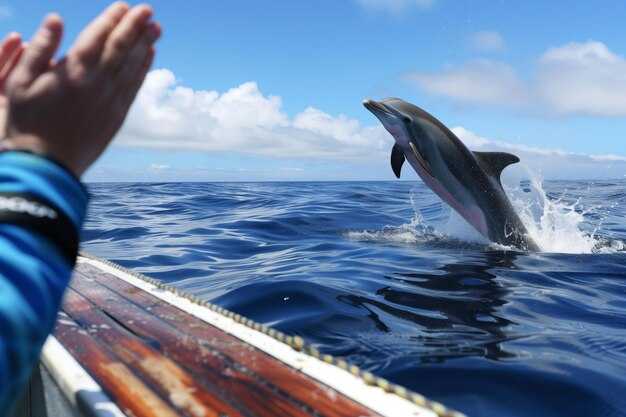 Best Dolphin Tours in Los Angeles – Top LA Dolphin Watching Cruises">

توصية: احجز رحلة بحرية في الميناء عند الفجر بمحرك من سانتا مونيكا أو لونغ بيتش للحصول على أعلى فرصة لمقابلة الدلافين قبالة الشاطئ مباشرةً، قبل ارتفاع الأمواج ووصول رواد الشاطئ.
عادةً ما تستغرق مسارات الرحلات من ساعتين إلى ثلاث ساعات، حيث توفر الشعاب المرجانية ومناطق الشعاب المرجانية الضحلة أغنى حياة بحرية؛; مُخَفَّض تظهر الأسعار في الأسابيع خارج أوقات الذروة، و rentals غالبًا ما تتوفر معدات صديقة للأطفال. ابحث عن سفن مزودة بألواح زجاجية أو منصات مرتفعة لإبقاء الضيوف قريبين من المخلوقات دون إزعاجهم.
في مياه جنوب كاليفورنيا، تزداد المشاهدات عندما تدفع التيارات الدافئة الدلافين نحو الجرف القاري، غالبًا مع أسود البحر على طول الصخور؛ يوفر الربيع وأوائل الصيف أقوى نشاط، بينما تكشف الرحلات في المياه العميقة عن مجموعة أوسع من المخلوقات لأولئك الذين يريدون لحظات غامرة حقًا.
للحصول على التميّز، اختر المشغلين الذين يقدمون شرحًا بقيادة القبطان ويوضحون السلوك مع تقليل الإزعاج إلى الحد الأدنى؛; exclusive عادةً ما توفر خيارات القوارب الأصغر مناظر أقرب للشعاب المرجانية في المياه العميقة والمناطق البحرية، وذلك بدعم من طاقم يتتبع أسراب الحيتان قبل ظهورها على السطح لتتمكن من تصويرها بصبر.
تشمل هذه الخطة الجاهزة للعطلات الانتقالات من الشاطئ إلى البحر، وتأجير المعدات البسيط، وأوقات مرنة حتى تتمكن من التكيف مع الظروف البحرية؛ إذا كنت ترغب في زيادة القيمة إلى أقصى حد، فابحث عن مُخَفَّض الباقات التي تجمع بين الرحلة واستئجار معدات محدودة أو وسائل الراحة على جانب الميناء بالقرب من الشاطئ، مع الحفاظ على نهج مستدام للسياحة الساحلية والمساعدة في دعم الطواقم المحلية وجهود الحفاظ على البيئة.
خيارات المسار: مارينا دل ري، ولونج بيتش، وخليج سانتا مونيكا
اختر مارينا دل ري كنقطة انطلاق مفضلة وفورية لما توفره من أرصفة يسهل الوصول إليها، وأسطول متاح، ومياه مناسبة لرحلة مثيرة ومناسبة للعائلات. تتشابك هذه المسارات بين سهولة الوصول إلى المناطق الحضرية والجيوب الطبيعية، بما في ذلك الفقمات وأسراب الأسماك الصغيرة التي تظهر بالقرب من الحواجز.
تقدّم مارينا دل ري خيارات تتراوح بين القوارب الصغيرة واليخوت متوسطة الحجم، مع مسارات تتراوح مدتها عادةً بين ساعتين و 4 ساعات مع سهولة الوصول إلى الجزر القريبة. يجمع الموقع بين الخلجان المحمية والمياه المفتوحة، وهو مثالي للضيوف الذين يبحثون عن قيمة وتعريف سلس بمشاهدة الحياة البرية الساحلية.
تقدّم لونغ بيتش تجربة أفق أطول وأكثر شعبية. يدعم الميناء خطط سير اليخوت المتوسطة إلى الكبيرة والمنصات الحصرية ذات الإطلالات البانورامية، وغالبًا ما يتميز بصباح أكثر هدوءًا وظروف بحرية أكثر حيوية في أواخر الربيع إلى أوائل الخريف.
يوفر خليج سانتا مونيكا مسارًا أقصر مع خلفية ساحلية درامية، وهو المفضل للضيوف الذين يبحثون عن خيار سريع ومثير يتماشى مع الإقامات في المدينة. يمكن إقران هذا المسار باستكشافات وغوصات أخرى، مع ظهور جيوب استوائية وجزر وراء جبال ماليبو والخط الساحلي.
| Route | المدة النموذجية (ساعات) | Highlights | Vessel types | الأوقات المثالية | الملاحظات |
|---|---|---|---|---|---|
| مارينا دل ري | 2–4 | الفقمات، الجزر، الخلجان الهادئة، الأنواع المتجمعة في أسراب | قوارب مدمجة، يخوت متوسطة الحجم، يخوت ضخمة حصرية | الربيع, الخريف; الصباح | خيارات مدفوعة بالقيمة؛ وصول فوري؛ ممتاز للعائلات |
| Long Beach | 3–5 | عمود مياه أكبر، شعاب مرجانية، أسراب بحرية | اليخوت الأكبر حجمًا، والقطمرانات | عطلات نهاية الأسبوع الصيفية | مسارات مُمتدة؛ شهادات مُتاحة للمُشغلين |
| خليج سانتا مونيكا | 2–4 | خلفية جبال ساحلية، حياة برية بالقرب من الركائز، جيوب استوائية عرضية | اليخوت متوسطة إلى صغيرة الحجم | year-round | حلقة أقصر؛ مسارات مرنة |
مشاهد موسمية وأفضل أوقات الحجز
لتحقيق أقصى استفادة من فرصتك في مقابلة هذه المخلوقات والاستمتاع ببحار هادئة، يُفضل الحجز مبكرًا في مواسم الذروة الثانوية، ويُستحسن أن يكون ذلك في صباحات أيام الأسبوع؛ حيث تميل الفترة الأسهل لرؤيتها إلى أن تكون بين شهري أبريل ويونيو، وسبتمبر وأكتوبر، عندما يكون الفرائس وفيرًا ويكون الزحام أقل. توفر المنصات على امتداد طرق الميناء نقاط مراقبة متعددة، تدعم مجالًا متنوعًا من الملاحظة، ويمكن لاجتماعات إضافية مع فريقنا أن تزيد من فرصك في الحصول على أكثر اللقاءات حيوية.
في بعض الأحيان في الخلجان الضحلة، قد تلمح أسود البحر وهي تخوض طقوس العناية الشخصية الصغيرة الخاصة بها، مما يذكرنا بأن الحياة تحت السطح مليئة بالحركة. ستختلف قائمة السلوكيات التي ستشهدها على نطاق واسع، من الاختراقات المرحة إلى الغطس المتزامن، ويمكن أن يكون الإثارة معدية حيث يتكشف الجمال أمام أعين منصتك.
لفهم التوقيت، استهدف الصباحات ذات البحار الهادئة، وفكر في فترات ما بعد الظهر المتأخرة عندما تخلق زوايا الضوء صورًا ظلية أكثر حدة للكائنات الحية في ظل إيقاعاتها الطبيعية. بالنسبة لمعظم المشغلين، تأتي القيمة التي يمكن الوصول إليها من مسارات الرحلات التي تعمل بمنصات متعددة وطاقم عمل مطلع يقدم معلومات حول التيارات وتدفقات الفرائس وكيفية الاستعداد للتوقف السريع لمشاهدة الحياة البرية إذا ارتفع النشاط بشكل غير متوقع.
الأنماط الموسمية والنوافذ المثالية
تدفع عجول الربيع الأسراب نحو الخلجان المحمية، مما يزيد فرص الاقتراب؛ تتحسن صفاء المياه في الصيف، مما يعزز الرؤية عبر الملاحظات المتنوعة؛ تحافظ التيارات الخريفية على بقاء المجموعات بالقرب من الجرف القاري، مما يدعم فرصًا ثابتة حتى في الأيام المزدحمة. للحصول على تجارب مختلفة ومتوافقة مع المهمة، اختر الصباح عندما تكون حالة البحر ألطف وتكون الحياة البرية أكثر نشاطًا. تجذب المجموعة المتنوعة من الحركات - من الانزلاقات إلى الرشقات - جميع المراقبين، وتشير معظم المنصات إلى نفس الاتجاه الواسع: تقدم الساعات الأولى أوضح الفرص.
إرشادات الحجز وتلك الخاصة بما على متن الطائرة
احجز قبل أسبوعين إلى ثلاثة أسابيع للإبحار في عطلة نهاية الأسبوع؛ تميل أيام الأسبوع إلى أن تكون أقل ازدحامًا مع احتمالات رؤية أفضل. تحقق من العروض التي تتضمن طرقًا مرنة وتقارير في الوقت الفعلي من الطاقم، والتي تقدم إرشادات حول آداب السلوك وتساعدك على الاستعداد للتوقفات السريعة لمشاهدة الحياة البرية إذا ارتفع النشاط. للحصول على تجربة أسهل، اختر القوارب ذات الأسطح المستقرة ومناطق المشاهدة الواسعة. احزم واقي الشمس وقبعة وماء وطبقة خفيفة؛ واستمع إلى إحاطات الفريق حول الحفاظ على المسافة وعدم المطاردة وإعطاء الأولوية للحياة البرية عند الظهور على السطح. إذا كنت ترغب في مقابلة فريقنا خلال اللقاءات، انضم إلى جلسات إضافية في مراكز الموانئ حيث يشارك المراقبون المشاهدات والنصائح.
أنواع القوارب، والسعة، ومستويات الراحة
توصية: بالنسبة لمعظم المغامرين، يوفر القارب ذو السطحين متوسط الحجم والمثبت والمزود بصالة مظللة أنعم رحلة وأسهل وصول من الشاطئ؛ ويحافظ هذا الإعداد على الوقت جيدًا ويجعل الاستكشاف فعالًا أثناء تعلمك عن الساحل.
تجمع هذه السفن بين الاستقرار والسرعة والمساحة القابلة للاستخدام لتلبية التفضيلات المختلفة. تغطي القائمة التالية الخيارات الشائعة، مع نطاقات السعة النموذجية وميزات الراحة، المتوفرة من المشغلين في نيوبورت والمراكز القريبة:
- مركبة من فئة الكاتاماران – تتسع لـ 12–24 ضيفًا، مستقرة جدًا في المياه الضحلة، سطح عريض وسهولة الحركة؛ صالات داخلية بالإضافة إلى دورات مياه؛ صف مقاعد في المنتصف؛ منصات تشمس مظللة؛ يمكن تقديم الكاريوكي في الرحلات الأطول؛ مثالية للعائلات والمجموعات المخصصة؛ توفر رحلة هادئة بالقرب من الشاطئ.
- يخت بمحرك أحادي الهيكل - تتسع لِـ 20–40 ضيفًا، سرعة أعلى وإثارة أكبر في المياه المفتوحة؛ مقاعد صالون ومنصة مرتفعة للإطلالات؛ قمرة قيادة مركزية؛ أنظمة طاقة داخلية ووسائل راحة منزلية؛ شائعة من ميناء نيوبورت؛ مناسبة للمجموعات الأكبر حجمًا التي تبحث عن السرعة.
- مركبة ذات قاع زجاجي - تتسع لـ 6-18 ضيفًا، وصول إلى المياه الضحلة لاستكشاف النظم البيئية مع مشاهدة تحت الماء؛ جزء زجاجي أو نفق مشاهدة؛ غالبًا ما يتم توفير معدات الغطس؛ قد يرافق مرشدون معتمدون من PADI لحضور الجلسات التعليمية؛ عادة ما يكون مصدر التعليم نموذجيًا في هذه الرحلات.
- قارب مطاطي صلب الهيكل (RHIB) - سعة 6-12؛ قدرة عالية على المناورة، صعود سريع من الرصيف؛ مساحة داخلية محدودة؛ مقاعد مدمجة ولكن مريحة؛ نظام كاريوكي أو نظام صوتي عرضي على متنها للرحلات بعد الغسق؛ تستخدم للرحلات الساحلية القصيرة.
- مركبة كهربائية هجينة أو صغيرة تعمل بالطاقة الشمسية – capacity 8–16; quiet operation, reduced emissions; good for beach-based explorations and quiet coves; available as sustainable options in the newport area; power-efficient design appeals to eco-minded adventurers.
Comfort factors to compare: shade coverage, cushion quality, temperature control, restrooms availability, step-free access, and clear safety briefings. For learning and social time, some vessels include karaoke pads and social zones to join in after snorkeling or beach stops; these details are provided by each operator’s center pages and источники lists.
Tip: if your group includes novices or families, choose a vessel with a stable platform, wide beam, and shallow-water access; these factors reduce motion and increase enjoyment for everyone. For those pursuing a deeper encounter with locals and ecosystems, look for padi-friendly snorkeling gear and a center that emphasizes on-water education and coastal conservation with a reputable источник published by local centers.
Diving Conditions, Snorkeling Options, and Gear Availability
Start with a little planning: choose an early-morning window when wind and chop are low, sea state is calm (Beaufort 1–2), and visibility typically runs 5–15 meters (15–50 feet). A 3mm wetsuit with booties suffices for most months; bring a light rash guard for sun and a dry bag for gear. Operators and captains hold certifications; booking in advance helps secure space and access discounted bundles that include mask, snorkel, and fins. If you plan to visit anacapa and other parks, allocate time for travel miles and check tide charts. Prepare a compact bag with reef-safe sunscreen and water for the outing.
Snorkeling options span nearshore kelp forests to shallow reef zones, typically 5–15 feet deep; visibility varies by season. West of the mainland, routes thread the channel toward anacapa and other parks within the Channel Islands National Park, offering a compact expedition exploring diverse habitats. Invertebrates such as urchins, crabs, and starfish are common finding along rocky outcrops; tropical-looking fish may appear in bright patches near ledges. These itineraries can cover miles of coastline and are suitable for a quick visit on a weekend or a dedicated day out with a small group; instant booking options exist on some departures. If you want a more amazing experience, some private yachts offer intimate routes that support local guides and their crews.
Gear availability is flexible: most operators provide masks, snorkels, fins, and buoyant vests, with discounted rental bundles for those needing a full setup; sizes range from kids to adults, and some boats offer prescription-mask options or wetsuit tops. If you bring your own gear, ensure a proper fit and good condition; staff like colin on the deck can assist with quick fittings and safety briefings; drying and storage facilities are standard on larger vessels. If you need gear, check if the operator offers it.
Snorkel Gear Availability
Most trips include masks, snorkels, fins, and buoyancy vests; check size availability in advance, and ask about optional wetsuits, dry bags, and prescription masks. Bundles with gear rental are common and often discounted when booked with a companion voyage.
Seasonal Preparation and Safety Considerations
Expect water temps to vary by season; layering with a 3mm to 5mm suit is typical. Wear reef-safe sunscreen and booties for rocky entries; keep a water bottle handy and plan for rests between segments. Follow crew briefs on currents, wildlife, and prohibited interactions to protect invertebrates and their habitat.
Safety Protocols, Crew Qualifications, and Onboard Regulations
Always attend the mandatory safety briefing and ensure every passenger wears a Coast Guard-approved life jacket for the entire journey.
- Pre-trip briefing: 5–10 minutes covering life jackets, emergency equipment locations, and hand-hold procedures during waves.
- Equipment and gear: sailboat fleets carry jackets in multiple sizes, a throwable life ring, a first-aid kit, a fire extinguisher, and signaling devices; check for access to a whistle and reach devices while aboard.
- Passenger limits and seating: most vessels accommodate 6–12 guests plus crew; if traveling with children, request child-sized PFDs and assign seats near the center for better balance and stability.
- Movement rules: remain seated or hold handrails during maneuvers; keep aisles clear; no standing on railings; stay within the designed deck area while the sailboat sails.
- Wildlife and environment: observe wildlife from a safe distance, never chase animals, and avoid feeding; protect shallow-water habitats and wreck sites in the area.
- Wildlife observations: if amazing rays or other visible life appear, photograph from the rail and do not block others’ view; never touch marine life.
- Smoking and alcohol: no smoking on board; alcohol policies follow the captain’s instructions; designate a safe time to finish drinks before docking to maintain balance.
- Accessibility and inclusivity: crew should assist guests with mobility or sensory needs; check if accessibility is available within the location’s harbor center or nearby ramps.
- Emergencies: onboard crew are trained in first aid and CPR; know the location of the VHF radio, fire extinguisher, and emergency exits; follow captain’s commands promptly.
- Regulatory compliance: boats maintain a logbook, conduct safety drills, and follow local maritime regulations; check-in typically happens 15–20 minutes before departure.
- Timing and weather: check weather and tide information; operate within wind and sea-state limits; time windows may adjust based on tides and daylight; times can be flexible by a little to accommodate conditions.
Crew Qualifications and Training
- Captain and first mate: licensed by the local maritime authority, with current medical kit certification and lifesaving training; minimum 3–5 years of saltwater sailing experience.
- Naturalist or guide: for guided experiences within the area, a trained professional helps identify species and habitat protection measures.
- Safety certifications: crew hold CPR/first aid certifications and operate with a valid safety management plan; boats undergo regular equipment checks.
- Communication: multilingual crew is available to explain rules clearly; safety announcements are provided in multiple languages when needed.
- Characters: crew includes diverse local sailors and naturalists, offering personable, safety-focused guidance.
Onboard Regulations and Best Practices
- Prohibited items: no glass bottles, no cooking on deck, no open flames; food and beverages should be in sealed containers and disposed of in designated bins.
- Right-of-way and navigation: follow captain’s commands; avoid crowds near the bow; yield space for other vessels and small boats in busy spots along the coast.
- Storage and personal gear: store bags securely to prevent shifting; bring compact bags for flexibility; compact cabins require pared-down gear.
- Environmental stewardship: use reef-safe sunscreen; collect all trash at the end of the ride; use reusable containers; never throw anything overboard except approved waste.
- Timing and location: check weather and tide information; operate within wind and sea-state limits; time windows are adjusted for tides and daylight; plan a center-based itinerary.
- Right to inspect or refuse: if safety gear is missing or the crew deems it unsafe, passengers may be asked to postpone or cancel; refunds or reschedules are offered by the operator when weather dictates a change.
- Communication and signaling: VHF radio is available on board; in emergencies, use the designated channel and follow captain’s instructions.
источник: local guidelines emphasize keeping passengers away from railings during rough seas; the aim is to offer a stable, safe journey with good sightlines for beach and reef areas along the west coast; explore a few spots within the harbor center and surrounding bays while maintaining a comfortable, spacious atmosphere; besides, guests can pick a time that aligns with tides and light for amazing, gorgeous views of the ocean and waves.
Practical Tips: What to Bring, Weather Prep, and Photography
Pack a light, waterproof jacket and binoculars; layers win on the deck during a sailing day.
What to bring and packing checklist
Essential items include sunscreen, a wide-brim hat, water bottle, and snacks. Use a dry bag to keep phones and cameras completely dry on spray-prone decks, plus a compact rain cover for gear. Bring footwear with grip for wet surfaces, a microfiber cloth for lenses, and a power bank with spare batteries so you can shoot all day. For wildlife captures, a clip-on macro lens helps when exploring beneath rocks or kelp, and a telephoto lens boosts reach for distant subjects such as humpback or sea lions; having both options improves your list of usable shots. If you’re traveling from an airport, pack light and keep fragile gear in a protective case; this value is obvious for everyone on board. On elevated platforms, a compact tripod or monopod helps stabilize long lenses. Also, keep a quick packing list handy so you’re not missing essentials.
Weather prep and photography tips
Coastal conditions can shift quickly; dress in layers and keep a windbreaker handy around the harbor. Seas range from glassy to lively; a stable stance on the deck and a sturdy tripod or monopod helps when shooting from moving platforms, especially for macro moments of invertebrates or small creatures beneath the surface. The morning light is beautiful and often warm, creating silhouettes against distant mountains and the skyline; shoot with the sun behind you to avoid glare and capture clear color on the water. For instant action, set a fast shutter around 1/500 second when schools of fish surface or a humpback surfaces briefly. Use RAW to preserve detail in macro shots and to recover colors on the beach at sunset. A little patience makes exploring more fun for everyone and lets you catch moments made for sharing, sometimes the best frames appear when you wait, and the experience offers a super blend of marine life, their characters, and the excellence of the coast, as shared by local guides.