


 العربية
  English (UK)
  Русский
  日本語
日本語  한국어
한국어  Magyar
  Türkçe
  Español
  Čeština
  Svenska
  Português
  Ελληνικά
  Suomi
Suomi  Nederlands
  Română
  Italiano
  Français
  Polski
  Українська
  Deutsch
  简体中文
简体中文  Slovenčina
 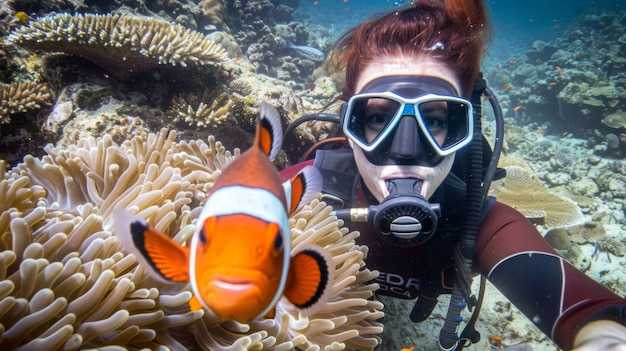 Best Dive Trips 2025 – Top Destinations and Pro Tips">

Choose a Galapagos liveaboard in 2025 for your best underwater itinerary. though the schedule is tight, you gain time between dawn and afternoon currents, slipping between canyons and reef walls where schools of sharks and mantas come close to the blue shoreline. The ships offer dedicated entrances to the best zones, and the international crews tailor the features to them, ensuring smooth transitions and maximum exposure for all skill levels. This approach comes with curated gear and safety checks.
Besides Galapagos, worthy regions rise in 2025: Indonesia’s Coral Triangle and the Red Sea corridor. going between Komodo, Raja Ampat, and Banda Sea, Indonesia presents sharp walls, canyons, and vibrant macro life with depth ranges from 12 to 40 meters; visibility often hits 30-40 meters. In the Red Sea, expect clear water, reliable currents, and easy entrance from public harbors or the ship’s own launches, with ships that emphasize safety and comfort.
Pro tips: book early, compare itineraries that optimize depth variation; choose operators with international crews; seek ships offering multiple entrance points to reef systems, with stairs on the stern and a reliable briefing. The best packages feature flexible scheduling and a simple click through to check real-time site statuses. Do the math on weather windows, and align them with your experience and comfort level.
To maximize value, track seasonal patterns and book ships that balance risk and reward: in spring and autumn, visibility tends to peak and crowds thin, while water stays cool near the surface but warm below 20 meters, keeping depth stable and fish counts high. Between guides and guests, your experience improves when doing pre- and post-trip checks, including gear compatibility and insurance coverages.
California Marine Life: Best Dive Trips 2025 and Pro Tips
Recommendation: Start with Catalina Island in spring for clear water, gentle currents, and leopard sharks; stay 2-3 days with 2-3 dives per day to maximize sightings. Expect depths around 15-60 ft and visibility in the 20-40 ft range on typical days; plan dawn or late afternoon sessions when activity peaks. The west end canyon walls offer dramatic drops that reward patient divers, and theyre abundant with life along every ledge.
Monterey Bay shines year-round; most dives focus on 20-70 ft depths with thriving kelp forests, sea otters, and a mosaic of rockfish and lingcod. Visibility commonly sits at 15-40 ft, good for close encounters and careful observation. Spring through fall bring the most reliable conditions, making this a solid choice for intermediate divers looking for longer, more immersive dives while keeping currents manageable.
Channel Islands off the barbara coast deliver striking coastline and canyon-like drop-offs; spring through fall bring calmer seas and predictable drift lines that help organize multiple dives. Depths range 60-120 ft and visibility runs 20-60 ft, with big pelagic activity, sea lions, and dense kelp zones. This site is better for intermediate to advanced divers who want sustained exposure to stronger currents and larger wildlife.
Pro tips: book early with local operators; many ships run weekend charters from Ventura, Santa Barbara, and Dana Point, and rates vary by season. If you’re traveling from the east, build a 4-6 day plan that threads Catalina and Channel Islands together to minimize travel days and maximize wildlife opportunities. Divers should monitor swell and wind forecasts, carry a spare mask, and respect restricted areas; good air management and a relaxed ascent keep you safer, especially on deeper dives. For wreck enthusiasts, hmcs-style wrecks appear near several sites and add historical interest without sacrificing marine life viewing, and you can often find them within a short ride from the main reefs. When you plan, consider that many operators offer combo packages that maximize days of activity while keeping costs reasonable; the balance of wildlife, depth, and scenery makes the coast a standout, and the salty air and clear water make every session feel incredible.
| Site | Best Season | Typical Depth (ft) | Visibility (ft) | Notable Marine Life | الخبرة |
|---|---|---|---|---|---|
| Catalina Island | الربيع | 15-60 | 20-40 | Leopard sharks, moray eels | Beginner-friendly to intermediate |
| Monterey Bay | Year-round (peak spring–fall) | 20-70 | 15-40 | Sea otters, rockfish, lingcod | Intermediate |
| Channel Islands (barbara coast) | Spring–Fall | 60-120 | 20-60 | Sea lions, pelagic fish | Intermediate–Advanced |
Monterey Bay: Kelp Forest Dives and Seasonal Sightings
Book a guided night outing from Breakwater Cove to observe octopus, large rockfish, and jelly swarms weaving through the kelp; this is the easiest way to access the canopy with a local guide providing gear and safety, and it yields reliable sightings when conditions allow.
The Monterey Bay area kelp forest spans the south edge near Point Lobos to sheltered coves along Cannery Row, creating a dense, wildlife-rich zone. In late spring through early fall, calm mornings offer clearer water and a warm surface feel, making shore-based spots and kayak-assisted access especially appealing for first-timers.
Below the green wall, submerged mountains, bouldersو banks create varied habitat where rockfish linger around ledges and bait balls form along drop-offs. Typical depths are 30–60 ft (9–18 m) with good light penetration, balancing visibility with abundant life.
Seasonal sightings roll in with the tides: winter and early spring bring harbor seals and sea otters along the break, while late spring into autumn sees increased rockfish activity, sunfish on calmer days, and seasonal jellyfish blooms that attract anemones and kelp fish. Expect more surface activity from dolphins and migrating seabirds during these months.
Plan and gear: to lock in slots, book through a local operator; morning trips run 3–4 hours with equipment rental options and transparent rates in the $110–$180 range, depending on season and add-ons. From a home base in Monterey, you can pair the outing with a visit to the aquarium or a coastal walk, then return for an evening photography session if conditions permit.
Access and safety: on ideal days, the Breakwater site offers the easiest access, while zones to the south in Monterey Bay may present stronger currents and larger surge. A kayak-assisted approach can extend your reach to the outer kelp beds when wind and swell allow; local guides tailor the plan to your comfort and experience, and the Breakwater name is a trusted starting point for many first-timers.
Photography tips: shoot with a wide-angle lens to capture very large kelp columns and patient rockfish; frame scenes around boulders و banks, look for silhouettes below the canopy, and adjust exposure to minimize backscatter. If you spot hydrocoral textures on sheltered ledges, include them as a textural anchor in your compositions, especially with close-up macro shots.
Best times to visit: plan late spring through early fall for reliable visibility and wildlife activity; monitor marine forecasts and local advisories, as conditions shift quickly. Operators offer combos with a kayak trip or shore-based looks at the kelp forest, so you can extend the part of your Monterey experience without extra travel.
Coming seasons bring shifts in where the kelp grows thickest and which species are most active, so stay flexible, ask a local guide for the latest hotspots, and keep your camera ready as you move along the banks and around submerged mountains of the area.
Channel Islands: Planning a Multi‑Day Dive Trip for Sea Lions and Caves
Book a two‑to‑three‑day window with a licensed operator based near Santa Cruz or Anacapa, and time mornings around the coastline where seal colonies lie on rocky platforms above the breakwater; caves open on the shoreline during low tides.
Coordinate with a shore‑based operator so each day stays within calm coves; depending on conditions, plan 2–3 exploration windows for reefs, caves and seal gatherings.
Watch for sea lions and other animals along the side of cliffs, around rocky outcrops, and above the coastline; photos of colorful reefs and bustling seal colonies fill an album you will share with family and friends, and with them well documented.
To stay safe, never feed or touch wildlife; keep your distance from sharks and avoid the brittle rock faces that lie beneath caves; sitting on stable platforms during rough seas keeps you secure.
For family and first‑timers, choose advanced itineraries that balance sheltered bays with longer crossings, and avoid crowded weekends; always have enough air and check currents before venturing beyond the breakwater.
Choose a base on Santa Cruz, Santa Rosa, San Miguel or Anacapa; anchor near the sheltered side of each island to minimize long crossings and stay near reefs and cave mouths; this approach keeps you within reach of the coastline and a patient guide. источник notes that peak activity occurs in late spring and early fall.
Packing list and tips: Start with a simple checklist. Bring reef-safe sunscreen, a dry bag, wide‑angle lenses, a camera with extra batteries, and enough memory; keep gear covered in dry bags to stay dry between spots. You’ll collect colorful photos of sea lions, seals, and reef life while leaving the fragile environment intact.
La Jolla Cove: Leopard Shark Encounters and Safety Tips
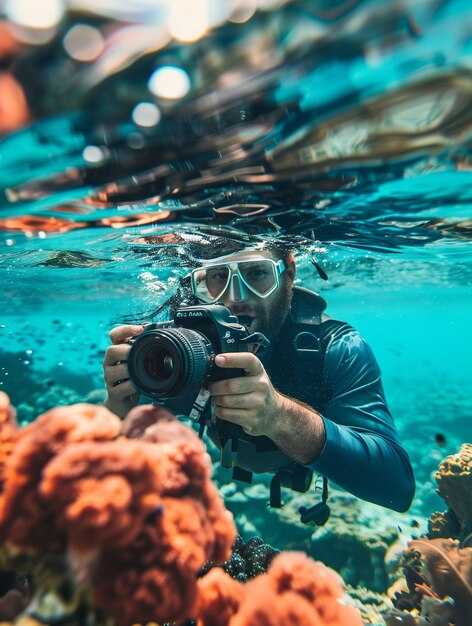
Hire an experienced local guide and stay with a supervised group to observe leopard sharks safely.
In La Jolla Cove, leopard sharks are most visible from winter through spring as prey-rich edges attract them along the shallow reefs. Water temperatures typically range from 58 to 68°F (14–20°C), and visibility commonly sits between 6 and 15 meters, weather and runoff permitting. Those conditions make the cove a popular option for short, shore-based snorkeling along the edge of kelp and reef platforms.
العتاد for a comfortable encounter includes a 3–5 mm wetsuit, fins, mask, and snorkel; gloves help protect hands from kelp and barnacles; carry a surface marker buoy so boats and other water users can see you clearly. Pack reef-safe sunscreen, a small first-aid kit, and a waterproof pouch for valuables.
Safety tips specify keeping your distance from sharks at 3–5 meters and avoiding sudden movements or attempts to touch. If a shark glides toward you, stop, back away slowly, and let it pass. Maintain eye contact without chasing, and stay with your group–calm, deliberate actions minimize stress for both you and the sharks.
Watch for moray eels tucked into crevices among the reef; do not poke or grab at holes, and give those sections a wide berth. A calm approach helps you observe behavior of those sharks without triggering a defensive response.
Boats often traverse the channels near the cove, so stay aware of traffic and keep to marked swim areas. Use your SMB when you surface and signal your position, especially if you stray from the group or drift with currents. If you’re taking photos or notes, do so with minimal movement to avoid startling the sharks.
If you want to extend your trip, Catalina represents a warmer-water option within the region, offering additional reefs and channels where you can reach new species without sacrificing access to classic California conditions. In winter, watch for migrating whales along the coast, which adds to the experience but requires extra caution around surface activity and boat traffic.
La Jolla Cove’s reefs and coral patches create an incredible setting for leopard sharks, and though encounters can be memorable, those who follow guidelines keep the experience safe. For the curious, some nearby sites feature submerged wrecks detectable only by local operators; when exploring those zones, stay with a guide and respect depth limits.
Catalina Island: Drift Dives, Wrecks, and Reef Ecosystems
Book a dawn drift with Barbara, a travel specialist serving the mainland county; youll reach a wide wall where rocky ledges drop into reef ecosystems, offering a vivid panorama of Catalina’s underwater life. Bring your scuba gear and a curious mind; the current does the work, letting you focus on the details of life along the border.
- Wall and reef: The wall lies at varied depths; youll see lobsters in cracks; invertebrates line the ledges; a curious reef shark or two may appear; the reef itself is dotted with scattered corals and kelp patches; in the rocky parts of the reef, life clusters in abundance; if youre lucky the surge aligns with the light for dramatic color.
- Wrecks and structure: Wrecks lie scattered along the shelf; hulls provide shelter for octopuses and dense schools of fish; some spots have traditional names you can learn from the guide; operators often offer guided notes to help you identify species.
- Wildlife and reef life: The reefs host a wide array of life: invertebrates, crustaceans, and fish; meet gentle leopard and reef sharks at a respectful distance; you may spot lobsters and other critters; the ecosystem lies in a mosaic of colors that shifts with the season.
- Logistics and planning: Operators run trips with small groups; Barbara coordinates itineraries; travel from the mainland is straightforward; you can visit from LA county access points; check weather, water temperature, and current forecasts; gear checks and safety briefings are standard; each site has a name you can learn from the guide.
Seasonal tips: Summer months often bring clearer water and more visibility, while spring can offer calmer seas; plan early with your operator to maximize marine life encounters.
Why Catalina works for drift experiences, wrecks, and reef ecosystems: you gain a broad view of life from a moving perspective, and the approach suits both newcomers and seasoned scuba enthusiasts. Barbara and local operators tailor itineraries to your pace, ensuring safe access from the mainland county and convenient departures from typical LA-area points. Youll finish with a short list of spots you want to revisit on future travels.
Cold-Water Gear and Safety: Currents, Tides, and Wildlife Etiquette
Wear a drysuit with thick insulating layers, a hood, gloves, and booties, and verify buoyancy at the surface before entering. Pair that with cold-water certification and training that covers currents, buddy checks, and emergency procedures, so you have a plan if conditions shift.
Currents near banks and along point breaks can surge with incoming tides. Check local tide tables and current forecasts for your planned area, and use a surface marker to stay oriented. Plan to stay within 6 to 20 meters of depth, and keep your team in visual contact during the exposure window. If conditions shift to large, unpredictable flows, abort to a sheltered area and reassess before continuing.
Wildlife etiquette matters: keep a respectful distance, avoid chasing, and do not touch any animal. If you spot a shark, stay calm, maintain eye contact, and back away slowly along your buddy line, giving the animal space to maneuver. Observe purple urchins and other fragile organisms from a safe distance, staying outside delicate habitats and away from reef edges that banks and shelves rely on for shelter. This approach allows natural behavior to unfold without interference.
Equipment and signaling keep everyone aligned. Carry a surface marker buoy, whistle, and a bright light for low visibility; a safety reel helps you and your buddy stay within the same current lane. Always stay within sight of boats and avoid entering busy lanes; a simple plan drawn on a map of the area helps you navigate areas you know well. If you feel unsure, use a hard stop and ascend with your partner, something you rehearse during training.
miguel emphasizes planning with the local community; the southeast coast offers more guided experiences and months of practice to build confidence. Start with a guided session to gain experience and confirm your certification through a recognized agency. Many access points are near the airport, with boats departing from nearby docks; this setup reduces travel time and increases opportunities to explore new areas while staying within your limits. For those pursuing more advanced outings, a military-style mindset–clear signals, disciplined checks, and redundant backups–keeps everyone safe and makes each trip more predictable for the whole team, especially when conditions shift suddenly. If youre unsure about a site, stick to familiar points and never push beyond your training or the limits of your comfort.