


 العربية
  English (UK)
  Русский
  日本語
日本語  한국어
한국어  Magyar
  Türkçe
  Español
  Čeština
  Svenska
  Português
  Ελληνικά
  Suomi
Suomi  Nederlands
  Română
  Italiano
  Français
  Polski
  Українська
  Deutsch
  简体中文
简体中文  Slovenčina
  Beginner’s Guide to Sailing Croatia’s Dalmatian Coast – Essential Tips for First-Time Sailors">

Always start with a practical harbor plan: check the forecast, wind, and tides; today pick a calm bay within short reach that suits your group and board the vessel during an initial, near-shore loop in the morning light. Keep the route simple and respond quickly to changes in wind so you stay comfortable and safe.
Onboard setup matters: bring devices enabling navigation and communication, plus a paper chart as backup; use reusable water bottles and containers, and assign helm duties so everyone contributes; theyre ready to help with line handling. theres no substitute to a clear watch rotation, especially during holidays when ferries and crowds increase. addition: carry a compact spare anchor and a small buoy for line handling.
As a beginner, choose sheltered routes along the Adriatic shoreline with gentle mornings; plan swimming breaks at designated spots like shallow bays within the setting of anchorages, and keep a short distance to shore so you can return quickly if wind shifts. You can explore in 2–4 hour legs, and the helm should be coached by an experienced crewmate.
الأفضل practice to bond as a group: start with a calm day of yachting along known coves, sample seafood at a local konoba, and swim before lunch. You’ll discover divine views, both quiet bays and lively ports, with year-round options for holidays. addition: add safe anchorages and backup moorings to your route, and respect local tides and customs; this keeps the voyage flexible and enjoyable.
Over the years, exploring these waters becomes intuitive: you learn to read wind shifts, use hand signals, and swim back to the boat if you drift. Starting with a modest vessel and a well-planned group trip, you gain confidence to try different bays and return with memories of sunsets.
Beginner’s Guide to Sailing Croatia’s Dalmatian Coast
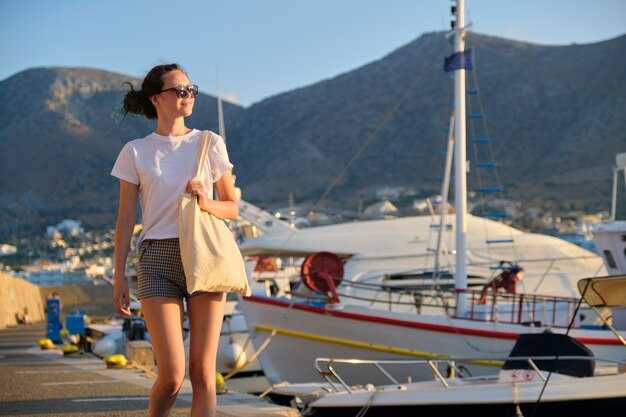
Book a week with a well-equipped cruiser from a central marina near Split; target a 34–40 ft vessel with 3 cabins, full safety gear, chart plotter, VHF, windlass, and a dinghy. Add an e-sim for constant weather updates and port information you can click to view. This setup is better for crews new to coastal cruising and makes every day manageable until you gain confidence. If you’ve traveled in this country before, you’ll notice how the shoreline’s landscapes shape a feeling of freedom and discovery around every bend. Expect calm mornings and lively afternoons, with marinas in popular towns offering water, fuel, and shore power for visitors. In addition, this approach keeps logistics simple, common for a week-long exploration, and avoids long passages that would dull the mood.
- Itinerary snapshot: Day 1 Split to Hvar Town (about 25–28 NM); Day 2 Hvar Town to Korčula Town (20–25 NM); Day 3 Korčula Town to Mljet (15–25 NM); Day 4 Mljet to Vis (20–25 NM) with a potential stop at Biševo for a Blue Cave; Day 5 Vis to Brač or back toward Split; Day 6–7 flexible options in the middle chain of islets depending on wind and mood. This layout is the easiest path for a first-week voyage but adapts to weather and appetite for discovery.
- Docking and marinas: Prioritize Split, Trogir, Hvar, Korčula, and Vis docks, all of which offer water, electricity, laundry, and a fueling pier. Typical night rates in season range roughly from €60 to €120 for a 3-cabin craft, with discounts for multi-night bookings. For safety nights, use a well-protected harbor in the middle of the chain; visitors wont face crowded slips if you book ahead. In addition, many ports provide fresh-water taps, waste disposal, and small groceries within 1–2 km, making the exchange between sea and shore seamless.
- Provisioning, safety, and routine: Stop at major markets in Split, Trogir, and Hvar to load seafood, vegetables, and bread. Keep a water-resistant bag for electronics and a dry locker for maps, spare parts, and light rain gear. Check weather every morning and again at lunch via an e-sim connection; you can click the forecast icon to view the model run. If winds rise above 25 knots, head to the nearest marina and reset plans; this cautious approach is common and reduces risk. Anticipate 2–3 swimming stops per day in sheltered coves; the mid-archipelago offers the most relaxed water for a relaxing feeling and safe mooring. Case in point: anchorages with rock protection and shallow shelves let you sleep with confidence and minimize wake from passing ferries.
Heading toward calmer anchorages in the middle chain often yields the best swimming and discovery. As locals are saying, the most memorable moments come from flexible planning, not rush between ports. In case of a weather change, use the nearest marina to ride it out; being prepared with water-resistant bags and spare fenders helps. Addition of a spare gas cylinder and a compact dinghy pump adds security for longer hops. The landscapes here are spectacular, and every day brings a new view, making this route feel like a well-deserved reward for travel effort. Visitors wont regret choosing this path, and many say it’s the easiest way to build confidence before attempting longer passages.
Practical Starter Guide for First-Time Sailors on the Dalmatian Coast
Start with a three-day charter from a vetted base near korčula using a two-cabin sailboat; if new to the sea, add a licensed skipper to reduce risk until confidence grows; verify you hold a certificate if local authorities demand it, then you board.
Safety briefing precedes any departure; put on a life jacket; check lines, anchors, bilge pump, and fenders; clear weather helps planning, and when forecasts shift, stay flexible.
Route idea: head from korčula toward mljets and back; this discovery-rich loop keeps you near beaches and olive groves; you can swim in sheltered coves to cool off.
Provisioning plan: visit shops on shore to stock water, bread, fruit, and local snacks; stock plain supplies used on day trips; expect occasional shortage of fresh produce in late season.
Daily rhythm: keep watch on wind shifts; adjust sail settings smoothly; if wind dies, head to a near harbor; stay near the same set of bays to reduce risk.
Chartering basics: you must count inventory before launch; verify sails, lines, and spare parts remain in place; bike trips ashore add exploration options.
Feeling and memory: the experience yields a rare mix of calm seas, olive-scented air, and a plain sense of achievement; the discovery lingers long after return.
Final tip: bring a mobile phone with offline maps and a simple plan; use a local contact if needed; many routes are straightforward, though weather may alter plans.
Boat Type and Charter Options for Beginners
Opt for a crewed yacht around 35–40 ft with a skipper; it keeps things simple, reduces risk, and accelerates learning during your early weeks. A week-long charter hits a balance between discovery and simplicity, with stays in sheltered bays, beaches, and small towns.
Two main options exist: crewed charters and bareboat (self-skippered) charters. Crewed charters deliver hands-off sail, planning, and safety support, while you gain confidence; bareboat demands solid licensing and experience.
Yacht-style monohulls offer agile handling; catamarans deliver extra space and stability, making your stay more comfortable in bays and beaches, while keeping a friendly feel on deck. If seeking more room and quiet motion, a catamaran is accessible; both kinds suit travelers with an appetite for discovery.
Western routes along pine-fringed coastlines lead to historic places and towns such as Zadar, Šibenik, Split, and Trogir, with occasional trips to nearby islands. youve got a handful of secret coves and rare beaches to explore, keeping discovery light and enjoyable while staying close to shore.
Costs below reflect mid-season ranges: crewed yacht weekly rates around €5,000–€8,000; bareboat around €2,500–€5,000; skipper or host crew €800–€1,400 weekly. Choose recognised operators; ensure insurance and safety briefings today. Add kayak options for day trips to explore bays below pine groves and secret inlets, bringing your stay closer to light and nature.
Weather Windows, Winds, and Seasonal Planning
Lock in a 3–4 day weather window for the initial coastal hop, favor Maestral conditions under 15 knots in the morning, and keep a small, sheltered route ready; check the forecast twice daily over the weeks of planning. If a window fails, have a backup leg and adjust the setting to a sheltered harbor.
- Seasonal windows
- Spring (March–May): fronts pass with 10–20 knot NW breezes; rough seas are rare near the archipelago, but unsettled moments demand flexibility. Target sheltered routes, make an early start, then ride the afternoon breeze into calm bays for swimming and sunsets.
- summers (June–August): high pressure yields long days and stable conditions; typical Maestral pacing is 8–18 knots by afternoon; mornings are best for point-to-point legs, then settle into protected harbors for the night. Plan base stays in/near major ports to sample seafood and local heritage. in summers with long days, stretch itineraries to maximize moments of beauty and sunsets; then plan for a perfectly balanced flow of hops and rests.
- Autumn (September–November): windows open after fronts, with 8–22 knot gusts; Sirocco pulses can push warm air and dust from the south. If a window appears, stretch a route between islands, stay near wind-protected coves, and have a plan for a quick hold if squalls arrive. Be aware that seas can switch quickly; remain cautious as conditions evolve.
- Winter (December–February): storm risk increases; many crews defer to inland activities or short coastal hops with a strong lookout for safety and remain cautious; use this time for maintenance and discovering Greece-like Meltemi patterns on distant legs.
- Winds and conditions to monitor
- Maestral: typical 6–18 knots along the coast; strongest during the afternoon close to headlands; stay aware of gusts that can tighten in gaps between islands.
- Bora: NE gusts 25–45 knots; rough sea, whitecaps close to shore; hold course and avoid open-water legs during a Bora pulse.
- Sirocco: SE flow 15–25 knots with heat and dust; reduce sails and seek sheltered anchorages when gusts rise; then watch visibility fade in dust.
- Local micro-winds: sheltered bays can hold a calm setting; use these to stretch legs of your journey and maintain a safe point to anchor for the night.
- Planning steps and safety
- Base choices: Split, Zadar, Šibenik give good access to protected routes and seafood markets; keep a reserve of fuel and water for the full day extension if needed.
- License and safety: verify license, skipper credentials, and vessel paperwork before departure; boats require life jackets, flares, VHF, and a first-aid kit; stay connected with port authorities for weather updates.
- Itinerary pacing: aim for daily legs of 20–30 nautical miles in spring or autumn and 30–40 in summers with sheltered havens; allow 1–2 anchor days per week for recovery and discovering beauties ashore and moments ashore.
- Clothing and gear: wear quick-dry layers, a light rain shell, UV protection, and non-slip footwear; bring portable chargers and reusable water bottles; keep clothing in a dry bag; keeps spare items accessible.
- Practical tips: hold a backup plan, stay flexible, and use a simple log to record a few moments of each day.
- Onshore experiences and practical notes
- Evening plan: sunsets light the coast as winds ease; anchor near monasteries or cliff setting to enjoy a calm moment with seafood plates and local wines.
- Culture and heritage: embrace local customs, exploring small monasteries and villages; discovering the region’s heritage through markets, murals, and ancient stonework.
- Health and safety: swimming spots abound; stay within life jackets when offshore; stay hydrated, stretch, and care for the body to remain sturdy on days at sea.
- Local life: respect lives ashore, sample family-run seafood, and support the small tourism economy that keeps maritime traditions alive.
أساسيات الملاحة: الخرائط، والعلامات النهارية، والمسارات الساحلية
ابدأ بمجموعة خرائط مجهزة تجهيزًا جيدًا: خريطة ورقية حديثة للمنطقة الأساسية وخريطة إلكترونية على وحدة محمولة. ضع مسارًا رئيسيًا على ورقة واسعة النطاق وقم بتراكب خيار آخر للالتفاف الداخلي، وكلاهما مشروح بعلامات النهار والعوامات والمعالم البارزة. ضع علامات على ممرات العبارات والمراسي الشهيرة؛ حافظ على منطقة آمنة تقل عن 1 نانومتر من الموانئ، ولاحظ الخلجان المظللة المثالية للمأوى أثناء النسيم الخفيف. نسق الخطة داخل مجموعتك واتفقوا على قادة السفن الذين سيقودون كل مرحلة.
يجب أن تتضمن الخرائط خطوط كنتورية للعمق، والمخاطر المغمورة، والمعالم المتعلقة بالمد والجزر. تحقق من توافق النسخ الورقية والرقمية وراجعها مع الإشعارات للملاحين الصادرة عن السلطات. ضمن المسار، قم بتمييز المراسي وأماكن الرسو بالقرب من القرى والمخابز القريبة، مع نصائح للإمداد وأدوات النظافة؛ لاحظ أيضًا أماكن لتوفير الوقت والموارد، مثل محلات بيع الجبن والمقاهي.
توفر العلامات النهارية والأضواء مراجع ثابتة. تعلم أشكال وألوان العلامات النهارية وتكوينات الإضاءة الليلية؛ تدرب على تحديد الموقع من هذه العلامات واستكمل ببيانات الرادار البحري عندما تكون الرؤية محدودة. يجب أن تجيب الخطة على السؤال: ماذا تفعل إذا كانت العلامات غير متوافقة، وكيف يتم تصحيح المسار بسرعة.
تفضل التوجيهات الساحلية الممرات المحمية بين الجزر وعلى طول الخلجان؛ وتجنب مسارات العبارات المزدحمة خلال ساعات الذروة وخطط لمراحل تتناسب مع نسيم ثابت ومغامرة محتملة في مياه أكثر انكشافًا فقط بعد إثبات الكفاءة. استخدم توقعات تغيرات الرياح وبيانات التيار؛ واختر المسارات التي تقلل من استهلاك الوقود وتقلل من أثرك البيئي وتستوعب سفينة صغيرة في طقس جيد.
التزويد والتوقفات: توفر القرى على طول الطريق مخابز وأسواقًا وأجبانًا؛ اختر نقاط توقف على مسافة قريبة من المراسي المجهزة جيدًا وخطط لأدوات النظافة والأدوية الأساسية. تأكد من وجود مطارات قريبة على مسافة يمكن الوصول إليها لتغيير الطاقم؛ احمل مجموعة قطع غيار صغيرة الحجم وكمية صغيرة من الطعام في حالات الطوارئ لتوفير الوقت إذا كان الميناء مزدحمًا.
السلامة والكفاءة: خصّصوا نوبة مراقبة واضحة لكل مرحلة من الرحلة، وتدرّبوا على استعادة شخص سقط في البحر، وتحققوا مع قادة السفن من إجراءات التعامل مع الحبال. قبل المغادرة، أجروا فحوصات روتينية للأشرعة والتجهيزات والإلكترونيات؛ أكدوا الأدوار بين المجموعة، ووثقوا الإجراءات المقبولة لحالات الطوارئ.
البيئة وقواعد السلوك: لا ترسو إلا في الأماكن المخصصة، وقلل الأثر باستخدام المراسي الأساسية، وتجنب الإرساء على الموائل الحساسة؛ والتزم بالقنوات واحترم القواعد البحرية عبر البلدان. حافظ على نظافة المكان وترتيب المعدات؛ فهذا الانضباط يسهل المغامرات المستقبلية.
الإرساء والتثبيت وآداب الموانئ في مياه دالماسيا
اختر دائمًا مرسى محميًا به عوامات إرساء بالقرب من المرافق الشاطئية. اتصل مسبقًا عبر الهاتف لتأكيد وجود عوامة أو مرسى جداري صالح؛ ووصولك خلال النهار، ثم توجه مباشرة إلى موقعك المحدد. مجموعة أدوات تثبيت مضغوطة ومقاومة للماء بالإضافة إلى حبل ثانٍ يحسن الاستقرار حتى تهدأ الرياح. يمكن أن يكون التنقل بين الجزر باتجاه لاستوفو أرخص، مع قفزات قصيرة ممكنة حتى عند استكشاف المدن المجاورة، بحيث يمكن لطاقمك الذي تديره العائلة مشاركة القصص والنصائح المحلية. في بعض الأيام، هناك شعور ملموس بالأمان عندما يكون موظفو الميناء ذوي خبرة ومتعاونين.
الإرساء بانضباط: اختر بقعة خالية من الصخور، وتحقق من عمق المياه 8-20 مترًا، وكن منتبهًا للسفن الأخرى. استخدم 5-7 أضعاف العمق للحبل في الطقس الهادئ؛ وزدها في حالة الرياح أو التيار. إذا سمحت المساحة، انشر مرساة ثانية على شكل حرف V؛ وثبت حبلًا خلفيًا على الشاطئ أو مرابط الإرساء لتقليل التأرجح؛ واختبر قوة الإمساك عن طريق الرجوع بالماكينة. ارتدِ أحذية سطح مقاومة للماء؛ وحافظ على الحبال مرتبة وبالقرب من المصدات التي يمكن الوصول إليها؛ فقد كانت هناك أوقات أنقذ فيها تغيير سريع للموقع القوارب.
الالتزام بقواعد الميناء: إبراز تصريح سارٍ لمسؤول الميناء عند استخدام عوامة؛ دفع الرسوم في مكتب الاستقبال؛ الرسو مع توجيه مقدمة السفينة نحو الرصيف لتسهيل صعود الركاب ونزولهم؛ خفض مستوى الضوضاء بعد الساعة 22:00؛ شطف الملح بعيدًا عن مناطق الغسيل؛ إعادة القمامة إلى قاربك؛ مشاركة طرق المشي مع السكان المحليين، وإبقاء المعدات في متناول اليد لسرعة التنقل. غالبًا ما تقدم الفرق المحلية، التي تديرها عائلات، الخرائط ونصائح الاستكشاف والقصص التي يمكنك تبادلها مع المسافرين. ستشعر بالدعم حتى تستقر في الروتين؛ يساهم الزوار الغربيون من مختلف البلدان حول العالم في خلق جو مفعم بالحيوية والتعاون، حيث تشعر أن بعض الموانئ يسهل الوصول إليها حقًا عن طريق الرحلات القصيرة، وتصبح التجربة جزءًا من رحلتك.
| Area | Approach | الإرساء/التثبيت | آداب السلوك والرسوم |
|---|---|---|---|
| مجموعة جزر لاستوفو | الاقتراب من الغرب؛ حافظ على القناة المستقيمة؛ العمق 8-18 متر. | يفضل الرُّسو على عوامات الإرساء؛ وفي حال الرَّسو باستخدام المرساة، استَخدم المناطق المحددة؛ العمق بالقرب من 10-20 مترًا. | ادفع عند مكتب الميناء؛ حافظ على مستوى الضوضاء منخفضًا؛ امشِ إلى الشاطئ عند الغسق. |
| شولتا / خلجان ميلنا | من الجنوب الشرقي؛ انتبه للصخور بالقرب من الشاطئ. | الإرساء في المناطق المخصصة؛ استخدم حبلًا من المؤخرة باتجاه الشاطئ | احترم أولوية الرسو؛ التزم بمناطق السباحة المحلية |
| الخلجان الخارجية لشبه جزيرة سبليت | الدخول عند خلو حركة المرور؛ الحفاظ على المسافة من العبّارات | عوامات الإرساء أو الحبال القصيرة للرصيف؛ تجنب إعاقة حركة المرور | اصطف بهدوء؛ تخلص من النفايات بشكل صحيح؛ استخدم المرافق المحلية |
| الساحل الغربي بالقرب من البلدات | يوصى بالوصول المبكر في ذروة الموسم. | العوامات أو منطقة الانتظار؛ تجنب الشعاب المرجانية الضحلة | تحية الموظفين؛ شارك خططك الاستكشافية؛ التزم بالأماكن المخصصة. |
معدات السلامة، وقوائم المراجعة، وإجراءات الطوارئ
ارتدِ دائمًا جهاز طفو شخصي عند الإبحار أو على سطح السفينة؛ أمسك الحبل بإحكام، وثبّت نفسك بحزام الأمان أثناء البحار الهائجة، واحتفظ بمضخة نزح صغيرة في متناول يدك لتوفير الوقت في حالات الطوارئ. المياه اللازوردية والساحل الوعر والمراسي الصغيرة تتطلب التركيز، ولديك رؤية من الصف الأمامي عندما تكون معداتك مريحة وجاهزة للعمل. يمكن أن تساعدك الخلفية المثيرة للإعجاب على أن تصبح أكثر ثقة في اللحظات التي تتطلب قرارات سريعة وواضحة.
المعدات الأساسية التي يجب تخزينها والتحقق منها قبل كل رحلة بحرية: سترات نجاة لكل من الطاقم والزوار، عوامة قابلة للرمي، صافرة، جهاز لاسلكي VHF مع القناة 16، جهاز مزود بخاصية DSC، مطفأة حريق، مجموعة إسعافات أولية مع أدوية دوار البحر، مجموعة إشارات (مشاعل، مرآة)، جهاز GPS أو راسم خرائط، بطاريات احتياطية، مصباح يدوي مقاوم للماء، سكين، حبال وواقيات احتياطية، مرساة وحبل كافٍ للمرسى، مرساة احتياطية للخلجان الوعرة، مضخة نزح (يدوية)، مجموعة أدوات مدمجة مع قطع غيار، وحقيبة جافة للوثائق. احتفظ بسجل صور للإبلاغ عن المخاطر والذكريات، واحمل سكين أمان في غمد سريع الوصول للحالات التي تتطلب وصولاً سريعًا.
قائمة فحص السلامة قبل المغادرة: تحقق من الأحوال الجوية وحالة البحر للمنطقة والفترة الزمنية بعد الظهر; تأكد من أن سترات النجاة تناسب الجميع; تحقق من مستوى زيت المحرك وسائل التبريد وكمية الوقود; افحص المرساة والجذع والمصدات وخطوط الإرساء; اختبر أضواء الملاحة وجهاز VHF على القناة 16; تحقق من أن جهاز EPIRB/PLB في متناول اليد; راجع القوانين وقواعد الميناء المحلية; حدد مهام المراقبة وأدوار الإنقاذ; ارسم طريقًا إلى مرسيين وحدد بدائل في القرى الساحلية القريبة. هذا التحضير يحافظ على راحة الطاقم واستعداده للعمل معًا، وهو أمر بسيط يمكن أن يوفر لك الوقت في اللحظات الحرجة.
إجراءات سقوط شخص في البحر: اصرخ على الفور ‘سقط شخص في البحر’، وارمِ جهازًا قابلاً للرمي، وأشر إلى الشخص، وابدأ دورانًا محكمًا للاستعادة باستخدام شكل الرقم ثمانية أو طريقة الحزمة القصيرة. حافظ على الاتصال المرئي، واطلب المساعدة على VHF 16، ونسق مع الطاقم الآخر. بعد الاستعادة، قم بإحصاء عدد الأفراد وسجل الحدث، ثم قم بتقديم ملخص واضبط التدريب حسب الحاجة. إليك تذكير سريع: تدرب على تدريبات MOB بانتظام حتى يصبح الأمر ذاكرة عضلية حقيقية بدلاً من لحظة ذعر.
خطة الطوارئ للمشاكل الطبية والأحوال الجوية السيئة: الانتقال إلى مناطق محمية أو الرسو في خليج آمن؛ ضمان توفير الهواء النقي والظل، وتقديم علاجات دوار البحر إذا تمت الموافقة عليها، والاحتفاظ بمجموعة إسعافات أولية مجهزة. الاتصال بمشغلي السواحل أو خدمات الطوارئ إذا لزم الأمر؛ في المناطق الساحلية التي يرتادها العديد من الزوار، حدد أقرب مستشفى أو عيادة مسبقًا وجهز الأرقام. عندما تهدأ الظروف، التقط صورًا للخط الساحلي والقرى للحفاظ على الذكريات، ولكن السلامة تأتي دائمًا في المقام الأول، ويمكنك أن تحلم برحلة بحرية هادئة بعد الظهر إذا كنت مستعدًا جيدًا.
قواعد الميناء والمنطقة: الالتزام بالمراسي المحددة، واحترام القوانين المحلية، وإطاعة مشغلي الميناء؛ وارتداء سترات النجاة في الموانئ والقنوات المزدحمة؛ والحفاظ على مسافة من القوارب الأخرى والعبارات الصغيرة؛ ومراقبة التنبيهات الجوية في فترة ما بعد الظهر؛ وأسباب هذه الخطوات هي السلامة الحقيقية والحفاظ على وحدة الجميع وراحتهم؛ وإذا ظهرت مشكلة، فاتصل للحصول على المساعدة على الفور، ثم اتبع تعليمات رئيس الميناء أو خفر السواحل، وانطلق بثقة إلى المنطقة المحمية التالية عندما يكون ذلك آمنًا.