


 العربية
  English (UK)
  Русский
  日本語
日本語  한국어
한국어  Magyar
  Türkçe
  Español
  Čeština
  Svenska
  Português
  Ελληνικά
  Suomi
Suomi  Nederlands
  Română
  Italiano
  Français
  Polski
  Українська
  Deutsch
  简体中文
简体中文  Slovenčina
 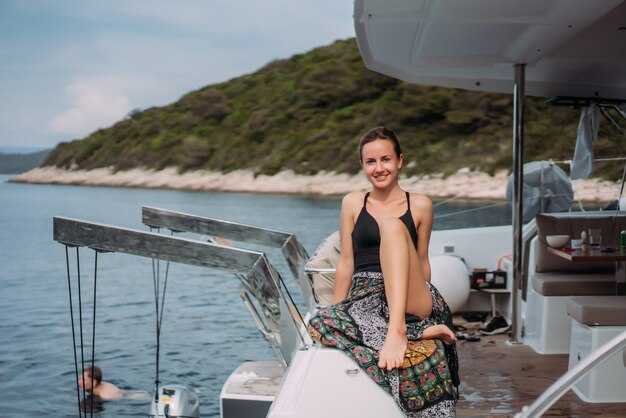 Bahamas Abacos Yacht Charter & Sailing Vacations – Your Ultimate Guide">

Start with a 7‑day loop: hopetown, mangroves, and fresh catches–this concrete plan sets expectations and time for each stop. Pick a vessel that fits the group (4–6 guests) and a capable captain comfortable with remote harbors. For american travelers, having a seasoned skipper saves money and avoids weather misreads, while keeping the pace steady and enjoyable.
Itineraries here vary, offering a variety of short hops and longer passages. Each route narrows into sheltered lagoons, pristine mangroves, and early morning lines. You’ll visit hopetown’s harbor, Albury, Green Turtle Cay, and Man‑O‑War Cay, then back to the main channel. Those days deliver sun, salt air, and a gallery of sky pictures at sunset.
Timing and costs: The best window is late fall through spring, when trades are favorable and water stays warm enough for snorkeling. Budget guidance: choose a crewed float for predictable money outlay; a bareboat option invites risk and fuel surprises. Two to three mornings dedicated to fishing produce fresh catches; those meals aboard boost morale and make meals back on deck memorable.
Harbor notes: hopetown offers a sheltered anchorage with a sandy bottom and shallow reefs nearby. Albury provides calm moorage and a quick land excursion for coffee and a chat with locals. Mangroves along the interior give sanctuary for birds; if you went ashore, you could map those waterways by kayak and see green water reflections in the shadows of mangrove roots.
Equipment tips: bring a compact camera to capture sunrise in front of the gallery‑like skies, and a light, dry bag for protecting electronics during a mangrove drift. Fresh groceries come from small markets on Albury and in Hopetown; money, a spare SIM card, and a reliable weather app keep everyone prepared. Here, you’ll learn to read the wind and adjust course to avoid afternoon squalls.
Itineraries tailored for every interest exist: family days with shallow snorkeling, american crews chasing bonefish, photographers chasing color from the aft deck, and those seeking solitude. Weve found that having a balance of two anchor days and one full‑day island hike keeps energy high. Kick off with a sunset sail, then land for a picnic on the beach, and finish with a quiet night under the stars.
Final note: this route emphasizes hands‑on experiences–fishing, mangrove tours, and local art galleries–while keeping the pace accessible and safe. Plan with a local operator who can adjust itineraries on the fly and add fresh stops if conditions allow; you’ll return with stories and a renewed sense of escape, back home with a new appreciation for blue horizons and rugged coastline, ready for the next voyage.
Gourmet on the Water: Practical Cuisine Guide for Abacos Charters
Plan a three-day provisioning cycle: select two mains from the reefs (yellowtail snapper or grouper) and a shellfish dish (conch or lobster), plus a vibrant vegetarian option, and arrange a mid-trip restock with a trusted vendor in the following ports.
Shop abacos village markets for citrus, tropical fruits, breadfruit, and leafy greens; stock dairy and bread from reliable suppliers, and align purchases with the year-round climate and seasonal harvests here.
Maintain the cold chain in the galley: insulated coolers, clearly labeled quarters, and close attention to the condition of fish–clear eyes, firm flesh–before cooking to 63°C (145°F).
Craft sauces with lime, coconut, and herbs; fold in african-inspired spice blends and american-style rubs to diversify flavors.
Grill fresh catches on a deck rack, bake flatbreads in a compact oven, and keep a crystal bowl of water and citrus on the counter; ensure a serene rhythm of meals while soaking in tropical bliss.
Night dining beneath a soft firefly glow elevates the mood; respect quarters by planning simple, low-waste plates; follow local fishing rules around reefs, and note that turtle protections apply in many harbors; visit lighthouse villages for coastal light and local american-style taverns.
Here, the following approach yields unforgettable meals across year-round warmth, with hope in each plate and a kick of discovery.
Core Dishes to Sample Aboard: Conch, Lobster, and Bahamian Classics
Begin with conch fritters at a dock between mangroves, where catamarans glide by and the laid-back vibe makes the experience effortless. That bite is likely to be a picture-perfect start and also gives weve time to settle in before exploring more flavors around the north coast and hidden coves.
- Conch-focused bites
- Conch fritters: crisp, golden, with a citrus dip.
- Conch salad: diced conch with tomato, onion, lime, and peppers; pick up peppers at the grocery to boost freshness.
- Conch chowder: creamy, coconut-forward, a hidden gem in boutique-lined harbors.
- Lobster delights
- Rock lobster: grilled with garlic butter; buy the catch fresh at a morning market and cook it before the heat fades.
- Lobster tail with citrus beurre blanc: a refined choice for a picture-perfect dinner as the sun sets.
- Lobster boil: a social, one-pot option that works well aboard a bareboat rig with a small crew.
- Bahamian classics and seasoning
- Cracked conch: light batter, fried crisp, great as a stop-and-go lunch beside a quiet place with mangroves in view.
- Stew fish or fried fish with johnnycake: sturdy and satisfying, often the anchor of a midday repast around the north coast.
- Guava duff or a simple sponge cake with rum sauce: a traditional finish that blends with African-influenced spice blends.
- Rice and peas with pepper sauce: a staple side that carries flavors widely across the archipelago.
For the on-water cook, competence matters. Plan with the knowledge-theory of flavor and keep the kitchen simple to fit the electricity-hungry galley of a bareboat. Before you set out, do a quick grocery run and map a few practical stops so you’re not chasing a stop every hour. The experience hinges on staying settled and being able to shift plans if a hidden anchorage offers a more evocative scene; thats when the voyage becomes something more than a routine, a true, also picture-perfect meal-and-moment. If you’re able, keep things compact and scalable so you can enjoy the surroundings around dockside towns and boutique-lined harbors without compromising competence.
Provisioning 101: Shopping for a Week in Abaco, Marsh Harbour, and Treasure Cay
Do one efficient provisioning run the day before departure: hit petes for staples, then top up at the harbour market for produce and dairy; choose weeklong supplies that suit your crew, from rice and pasta to canned tomatoes, beans, oil, coffee, and breakfast cereals. Add fresh eggs, butter, hard cheese, fruit, and a couple of pounds of local fish if possible; keep a small stash of refrigeration-friendly items for nights when the tide runs calm and the anchor holds.
Pack smart storage: deploy a compact plymouth cooler and a wooden icebox to extend freshness; separate raw from ready-to-eat items, label days by use, and wrap herbs in a damp cloth to slow wilting. opt for cheeses and yogurt that travel well, and plan for two days of seafood or poultry so you can unwind without last‑minute scrambling.
Build a weeklong menu around three core staples–rice, pasta, and beans–plus two protein options and plenty of fresh produce. Favor reef‑caught fish when available, but keep reliable backups like canned tuna or chicken thighs. Craft five dinner ideas with simple sauces, citrus, and greens, and marshal breakfast and lunch around oats, bread, eggs, fruit, and salad. Apply knowledge-theory to portioning so one couple or small crew avoids waste while leaving room for occasional treats from island heritage markets; you went coastal once, you can repeat the pattern with local twists.
Plan the logistics around the rhythm of the harbour area: stores often close before dusk, so buy water, ice, dairy, and perishables first; space planning matters, so pack dry goods in sealable sacks and keep a dedicated space for fish and poultry. Expect year-round warmth and occasional gusts; choose a calm day for re-stocking if the forecast calls for rough seas. For beaches with white-sand sands, reserve a few days to unwind and refresh after cruising; last nights on deck benefit from simple, light meals, a cup of coffee, and a steady breeze that keeps the crew comfortable as you prepare to sail again.
Onboard Menu Templates: 7-Day Dinner Plan for Yacht Charters
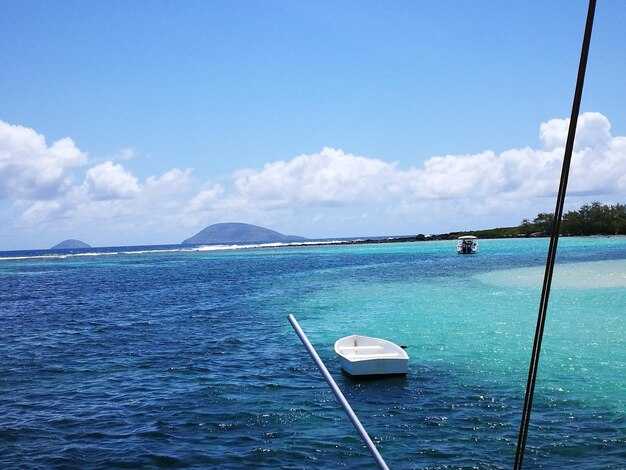
Start with a core, flexible dinner setup that minimizes provisioning and keeps the crew happy: a single protein, a dependable starch, two vegetables, and a pairing sauce that can be scaled up or down that calm, settled rhythm throughout the itinerary.
Day 1 – Citrus-crusted fish with herb rice: Quick sear of firm fish, lemon zest crust, fluffy herb rice with parsley. Pair a cucumber-dill salad with a light yogurt dressing that blends brightness with creaminess. This open, refreshing start leaves room for wine and a calm evening on deck as the tide slips by.
Day 2 – Coconut-lime chicken with mango salsa: Pan-sear chicken thighs, simmer in coconut milk, lime juice, and ginger until tender. Serve with jasmine rice and a vibrant mango salsa. The tropical flavors keep the mood bright for a calm, settled dinner as the itinerary winds through open water.
Day 3 – Garlic shrimp pasta with lemon and herbs: Spaghetti tossed in olive oil, garlic, chili flakes, and a dash of white wine; finish with parsley and parmesan. Add blistered cherry tomatoes for a filled, bright sauce that pairs with a chilled white and a quick sprint to the dock for sunset.
Day 4 – Grilled veggie kebabs with quinoa and herb feta: Skewer peppers, zucchini, mushrooms, and red onion; grill to char; serve over fluffy quinoa with a lemon-herb feta crumble. This vegetarian option keeps the blend fresh and works well on bareboat itineraries, open to around anchorages where provisioning may be tight.
اليوم الخامس - أسياخ لحم البقر مع شيميشوري وفلفل مشوي: يُتبّل بالثوم وزيت الزيتون والبابريكا والأوريجانو؛ يُشوى حتى درجة متوسطة النضج؛ يُقدّم مع الفلفل المشوي والبطاطا الخفيفة أو البطاطا المهروسة بزيت الزيتون. خيار قوي ومُرضي يمتزج جيدًا مع أمسية على سطح السفينة يغسلها المد والجزر.
اليوم السادس - كاري جوز الهند الكريمي مع الخضار والأرز الياسمينيُطهى القرنبيط والجزر والبازلاء في حليب جوز الهند مع معجون الكاري والزنجبيل والليمون حتى تفوح الرائحة. يُقدم فوق أرز الياسمين. يوفر Anchorage at albury خلفية هادئة لهذا الطبق الدافئ والمريح بعد يوم من الإبحار في أشجار المانغروف والمستنقعات؛ استعد لرحلة بحرية عند غروب الشمس في المياه المفتوحة مع ارتفاع المد.
اليوم السابع - سمك متبل بالميسو مع أرز بالسمسم وخضروات: اخبز السمك الأبيض بصلصة الميسو، وقدمه مع أرز السمسم والسبانخ أو البوك تشوي المقلي. تذوق أخير يترك الطاقم بلمسة نهائية لا تُنسى وعودة سلسة إلى الرصيف أو المرسى، وعلى استعداد لرحلة جديدة.
مشروبات، ومشروبات روحية، وتوليفات محلية: ماذا ترتشف مع النكهات البهامية
ابدأ برشّة جوز الهند والليمون: ماء جوز الهند، عصير الليمون، رشّة من الروم الداكن ورشة ملح البحر؛ منعش، ومشرق، ومثالي لتذوق العينات حيث أن الأيام على الماء تنطوي على الإبحار والتجول بالقرب من أشجار المانجروف.
بعد ذلك، استكشف مشروب البانش أو الشراب الذي يعتمد على الروم: يوازن الباشن فروت والكركديه والزنجبيل الأطباق الدسمة مثل فطائر المحار أو المأكولات البحرية المتبلة ببهارات الجيرك؛ هذا المزيج مناسب تمامًا على سطح القارب بعد يوم من الإبحار بالقرب من منارة شمالية، وعبر طرق ملاحية بمحاذاة الساحل.
تدعو الخلجان المهجورة إلى رشفة هادئة: يتناسب النبيذ الأبيض الجاف أو البيرة الخفيفة مع الموز المقلي والسمك المشوي ومجموعة من اللقيمات البسيطة التي يتم الاستمتاع بها على رصيف خشبي؛ وتوفر أماكن إقامة الضيوف بالقرب من المنارة مكانًا مثاليًا لحفل صغير.
ملاحظة صيانة: عند تدريب طاقم جديد على الخدمة، تشمل مهام الإصلاح والتجديد إعادة تخزين المتجر والتحقق من المخزون؛ الحفاظ على ترتيب نظيف يتجنب الحوادث الأرضية ويضمن احتساءً آمناً على الماء.
تُضفي النكهات المستوحاة من أفريقيا لمسة منعشة على المطبخ وتتماشى مع الحمضيات أو المانجو؛ تذوَّق شرابًا مع الزنجبيل ليكمل المأكولات البحرية؛ تقدم الأماكن القريبة مجموعة غنية من الأذواق التي تدعو الضيوف للاستمتاع بالأطباق التالية.
| مشروب | Pairing | الملاحظات |
|---|---|---|
| كوكتيل جوز الهند والليمون | محار مشوي، شرائح موز الجنة | لمسة نهائية مشرقة بنكهة ملح البحر؛ مثالية بعد الإبحار |
| مشروب البانش بنكهة الروم الغالبة | مأكولات بحرية متبلة ببهارات الجيرك، سلطة حمضيات | جريء؛ يكمل نكهات التوابل الأفريقية في المطبخ |
| خلطة الزنجبيل والكركديه | ماهي سيفيشي، صلصة مانجو | رفع حمضي بالقرب من أشجار المانغروف؛ متعدد الاستخدامات |
| أبيض جاف أم بيرة خفيفة | موز الجنة المقلي، سمك مشوي | خيار مُريح على رصيف خشبي |
| منشط القهوة المبهّرة | معجنات، جبن محلي | قوة الصباح مع لمسة من التوابل |
السلامة الغذائية والتخزين على متن القارب: نصائح للحفاظ على الطعام طازجًا، والتبريد، والنظافة الشخصية
ضع قاعدة صارمة: الأطعمة القابلة للتلف يجب أن توضع في الثلاجة الرئيسية، مع الحفاظ عليها في درجة حرارة 3-4 درجات مئوية مع وجود ميزان حرارة مرئي. قم بتخزين البروتينات النيئة في حاويات مانعة للتسرب على الرف السفلي وقم بتدوير المخزون باستخدام نظام الوارد أولاً يخرج أولاً لمنع التلف أثناء الإبحار. احتفظ بمجموعة مخصصة من صناديق التخزين للأشياء الصغيرة، موضوعة بالقرب من منطقة المطبخ لسهولة الوصول إليها.
منتجات الألبان والبيض: احتفظ بالبيض في الكرتون الأصلي وقم بتبريده على درجة حرارة 3-4 درجات مئوية. يدوم الحليب 5-7 أيام بعد الفتح؛ والزبادي 7-14 يومًا؛ والجبن الصلب 3-6 أسابيع؛ والجبن الطري 1-2 أسبوعًا؛ والزبدة 1-4 أسابيع. إذا كان التبريد متقطعًا، فاستكمل بخيارات صالحة للتخزين مثل الحليب المعالج بالحرارة العالية أو المشروبات النباتية المعلبة وضع ملصقات واضحة للتواريخ.
إنتاج: تحافظ الخضراوات الورقية على نضارتها لمدة 3-5 أيام في درج تبريد للتحكم في الرطوبة؛ استخدم أكياسًا مثقبة للحفاظ على تدفق الهواء. احتفظ بالطماطم والخيار والفلفل بعيدًا عن الفواكه الغنية بالإيثيلين، وقم بتخزين البصل والبطاطس في أماكن باردة ومظلمة لإبطاء عملية الإنبات. خطط لتخزين المنتجات لتقليل تراكم الرطوبة والذبول أثناء الرحلات البحرية على مدار العام.
النظافة: اغسل يديك لمدة 20 ثانية بالصابون قبل لمس الأطعمة؛ قم بتطهير ألواح التقطيع والسكاكين بعد البروتينات النيئة وقبل المواد الجاهزة للأكل. استخدم ألواحًا مرمّزة بالألوان (ملونة) لمنع انتقال التلوث، وامسح الأسطح بمحلول معقم (مبيض بنسبة 1:50 - 1:100 أو رذاذ معتمد). يجب تخزين الأقمشة الجافة بشكل منفصل عن الخرق الرطبة لتجنب نمو العفن في الأماكن الضيقة.
المشروبات والتنوع: احتفظ بالمياه النقية في زجاجات مغلقة وخزّن المشروبات بعيدًا عن الطعام لمنع التقطير. استخدم مبردًا منفصلاً للمشروبات للحفاظ على المذاق وتقليل التكثف إلى أدنى حد، والحفاظ على درجة حرارة رائعة وثابتة لمجموعة متنوعة وملونة من الخيارات غير الكحولية ومنخفضة الكحول.
تخطيط مشتريات البقالة خلال محطات التوقف في الموانئ: زيارة الأسواق القريبة للتزود بالمخزون، خاصة بين خطط الرحلات. بناء مخزون على مدار العام يتضمن المواد الغذائية الأساسية المستقرة على الرف و ملاذاً صغيراً من المفضلات؛ في الموانئ الصغيرة أو الخلجان المهجورة، ضع خطة احتياطية لمدة أسبوع إضافي من الإمدادات. حافظ على روتين يستوعب الأذواق المتنوعة (التشكيلة) ويحافظ على الضروريات في متناول اليد في الأماكن الرئيسية.
فقد الطاقة والمخزون الاحتياطي: في حالة انقطاع التيار الكهربائي عن الثلاجة، انتقل إلى السلع المعلبة والفواكه المجففة والمكسرات وبدائل الحليب التي يمكن حفظها على الرف. احتفظ بأكياس الثلج في المبرد الرئيسي، وخطط لتدوير سريع للعناصر الأقل عرضة للتلف. قم بمعالجة أي صيد على الفور وتقسيمه إلى حاويات أصغر لتقليل النفايات.
عند التعامل مع صيد الغوص: إذا كنت تصطاد أو تغوص بحثًا عن المأكولات البحرية، نظّفها وضعها في الثلج فورًا؛ قم بتبريد شرائح السمك في الثلاجة في غضون ساعتين من استخراجها، ثم جمّدها أو اطبخها على الفور. استخدم أجزاءً صغيرة لتقليل النفايات وتخلص من أي شيء له رائحة كريهة أو ملمس لزج أو تغير في اللون.
تنطبق هنا نظرية المعرفة: التحكم في درجة الحرارة، وتدفق الهواء، والرطوبة، ومنع التلوث المتبادل تحدد النضارة والسلامة. أنت هنا لتطبيق هذه القواعد ليبقى كل طبق هادئًا ومتوازنًا وآمنًا وسط المياه والحياة البحرية، وبين التوقفات في المدن الصغيرة والخلجان الخلابة، مع خيارات البقالة القريبة الجاهزة للتزويد بما يتجاوز المساحات المهجورة.