


 العربية
  English (UK)
  Русский
  日本語
日本語  한국어
한국어  Magyar
  Türkçe
  Español
  Čeština
  Svenska
  Português
  Ελληνικά
  Suomi
Suomi  Nederlands
  Română
  Italiano
  Français
  Polski
  Українська
  Deutsch
  简体中文
简体中文  Slovenčina
 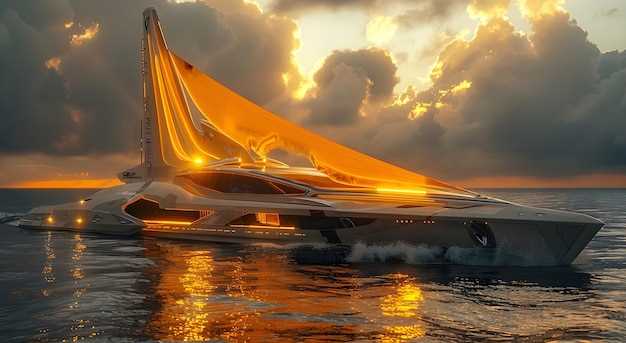 81m Sea Eagle II – Royal Huisman Launches World’s Largest Aluminium Schooner and Other Yacht News">

Recommendation: اقرأ هذا الموجز لتفهم أهمية "سي إيجل 2" (Sea Eagle II) ذات الـ 81 متراً لمستقبل الإبحار. كشفت شركة "رويال هويسمان" (Royal Huisman) النقاب عن هذه السفينة باعتبارها أكبر سفينة شراعية ألومنيوم في العالم، وهي عبارة عن حدث هام الذي يعيد تشكيل التوقعات في سوق اليخوت الفاخرة العالمية. بدأ المشروع بموجز تصميم جريء وتقدم من خلال عملية بناء دقيقة، تمزج بين الراحة والأداء للرحلات الطويلة.
بطول 81 مترًا، يستخدم Sea Eagle II تصميمًا عصريًا لسفينة شراعية بصاريين، وهيكلًا نحيفًا من الألومنيوم، والتركيز على الهدوء أثناء الإبحار. يركز تصميم الهيكل وتوزيع الأشرعة على الكفاءة، بينما تم تحسين منطقة المقدمة لعمليات سطح السفينة أثناء الرحلات الطويلة والرياح المتغيرة. التقطت الأشرعة هبة رياح مواتية خلال الاختبارات، مما أظهر تحكمًا سريع الاستجابة وتوازنًا سلسًا.
خلال اختبارات ما قبل التسليم، اندلع حريق صغير بالقرب من المقدمة. شوهدت ألسنة اللهب، ووصل رجال الإطفاء بسرعة، واحتوى الطاقم الحادث دون وقوع إصابات أو أضرار هيكلية. وهكذا أكد فريق التفتيش على مرونة الهيكل والأنظمة الحيوية، وذلك بفضل البناء الدقيق وبروتوكولات السلامة في الموقع من خلال الاستجابة في الموقع.
تضم أرض المعرض يخوتًا فاخرة من عارضين دوليين، مع وجود Pershing من بين العلامات التجارية التي تسلط الضوء على مواد الهيكل وخيارات الدفع. لدى المالكين توقعات عالية للكفاءة والراحة، ولموثوقية طويلة المدى في بيئات المياه الملوثة. يوضح Sea Eagle II كيف أن الألومنيوم ينتج هيكلًا خفيفًا وصلبًا مع سلوك يمكن التنبؤ به في البحار الهائجة.
يُظهر الجدول الزمني للمشروع بدء أعمال العارضة، ومرحلة بناء ممتدة، وتجارب مستمرة بالتنسيق مع المصمم لضمان اندماج نظام الشراع والهيكل بسلاسة. يوفر هذا التعاون تحكمًا يمكن التنبؤ به، وتحكمًا أفضل في الاهتزازات، وبيئة داخلية أكثر راحة.
وهكذا، يحصل القرّاء على رؤية واضحة لموقع القطاع اليوم: دفعة نحو طرادات ألومنيوم أكبر تحقق التوازن بين الأناقة والأداء والسلامة والمسؤولية البيئية.
نظرة عامة على أخبار اليخوت العالمية
أعطِ الأولوية لأحدث الإطلاقات في المعارض الكبرى وقارن المواصفات الكاملة، وخاصةً الوصول إلى السطح العلوي وسعة الوقود المقاسة بالأطنان. تبرز السفينة "Sea Eagle II" التي يبلغ طولها 81 مترًا كفئة عليا في السفن الشراعية المصنوعة من الألومنيوم، بهيكل كامل من الألومنيوم، وأسطح واسعة، وتصميم جاهز للإبحار يبقي الضيوف بعيدًا عن مناطق الطاقم. ويقف وراء التصميم "ويليام وراموسن"، اللذان يشكل تعاونهما تدفق الهيكل والسطح؛ وتؤثر هذه التفاصيل على التصميمات الحالية والمستقبلية.
في أوروبا، يدفع العارضون نحو تخطيطات أكثر ذكاءً وابتكارات من هذا القبيل، ويركزون أيضًا على الاستدامة باستخدام مواد أخف ووسائل مساعدة أكثر كفاءة. تظل ريفا نشطة في مفاهيم الدفع الهجين، وتقدم وصولًا مثاليًا إلى كل سطح ومواقف واسعة للقوارب الصغيرة. تبرز المشاهد من المعارض خلال أواخر فترات ما بعد الظهر كيف يستخدم المالكون وضيوفهم السطح العلوي للحظات اجتماعية بينما تظل الطوابق السفلية عملية لعمليات الطاقم.
عبر المحيط الأطلسي وفي منطقة آسيا والمحيط الهادئ، تحتل استقلالية تصميم الأسطح مركز الصدارة، حيث يطالب المالكون بمساحات مرنة ومناطق وقوف سيارات قوية. تظهر الدراجات البخارية المتحركة من نوع "oeino" وغيرها من وسائل مساعدة الطاقم على متن عدة سفن لتسهيل الحركة حول الأسطح ومناطق وقوف السيارات، مع إمكانية الوصول من الرصيف إلى السطح. توجد هذه الأمثلة في المعارض الكبرى وغالبًا ما تحفز المالكين الذين يريدون تدفقًا أكثر كفاءة أثناء الرحلات الطويلة.
بالنسبة للمشترين والمديرين، اتبعوا هذه الفحوصات السريعة: راجعوا المواصفات الكاملة، وتحققوا من مكان وجود السفينة في الجدول الزمني للبناء، وقيموا كيف يدعم تصميم السطح الاستخدامات الملاحية والاجتماعية، وتأكدوا من مواقف السيارات وإمكانية الوصول للقوارب الصغيرة وأجهزة التنقل، وقارنوا سعة الوقود مع الطرازات المماثلة. الهدف هو تحديد خيار يقلل المخاطر ويسبب تنازلات أقل بين الأداء والراحة.
| Region | المركبة/الموضوع | الميزات الرئيسية | الملاحظات |
|---|---|---|---|
| Global | 81 مترًا Sea Eagle II - أكبر مركب شراعي ألومنيوم في العالم | الطول 81 مترًا؛ هيكل ألومنيوم كامل؛ الوصول إلى السطح العلوي؛ أسطح واسعة؛ سعة الوقود بالأطنان؛ من تصميم ويليام وراسموسن | بناء رويال هوسمان؛ معيار اليخوت الشراعية المصنوعة من الألومنيوم |
| Europe | مفهوم ريفا للإبحار | مفاهيم الدفع الهجين؛ سهولة الوصول إلى جميع الطوابق؛ مواقف واسعة للقوارب المساعدة. | يسلط العارضون الضوء على التصميمات سهلة الاستخدام للمالك والإطلالات المرتفعة |
| الأمريكتان | تكوينات سطح السفينة Independence | وصول متعدد الطوابق؛ مواقف مُحسّنة وركوب مُيسَّر | يبحث المالكون عن مساحات عملية ومرنة، تقع بالقرب من الموانئ الرئيسية |
| Asia-Pacific | دراجات OEINO المتحركة على متن الطائرة | أجهزة تنقل على سطح السفينة؛ وصول سريع من المواقف إلى سطح السفينة؛ تصميمات سهلة الاستخدام للطاقم | تؤكد العروض على أهمية القدرة على الحركة والسلامة في الموانئ المزدحمة؛ خلال العروض |
نسر البحر 2: المواصفات الرئيسية والمواد وابتكارات التصميم
اختر Sea Eagle II بطول 81 مترًا، وهيكل من الألومنيوم بالكامل، وبروفيل مركب شراعي بصاريين يمزج بين الأداء والفخامة عبر المحيطات.
Key specs
- الطول الكلي (LOA): 81 مترًا
- طول خط الماء (LWL): 70 مترًا
- الشعاع: 13.5 متر
- غاطس: 5.8 م
- الإزاحة: 1,420 طنًا
- مساحة الشراع: ~3,900 م2
- الدفع: ديزل-كهربائي هجين مع دافع سمتي؛ المدى ~3,500 ميل بحري عند 12 عقدة؛ السرعة القصوى حوالي 18 عقدة تحت الطاقة
- الهيكل والسطح: هيكل مصنوع بالكامل من الألومنيوم؛ تعزيزات كربونية حيث تدعو الحاجة في البنية الفوقية
- خطة الشراع: شونر ذو صاريين بأشرعة أمامية قابلة للف والأنظمة الآلية للتحكم بالشراع
- الموقع والبناة: تم بناؤها بواسطة Royal Huisman، وتقع على الساحل الهولندي؛ تتعاون الأحواض وفرق الهندسة مع المهندسين المعماريين البحريين والمتخصصين في التصميم الداخلي.
- الإقامة: أجنحة مرنة للمالك والضيوف مع تصميم كامل للطاقم خلف البنية الفوقية
- أكبر يخت شراعي ألومنيوم في العالم: هذه السفينة ترسخ مكانتها بين أكبر يخوت شراعية ألومنيوم في العالم
Materials and build
- الهيكل والسطح: سبيكة ألومنيوم بحرية عالية القوة مختارة لخفتها وقوتها ومقاومتها للتآكل
- الهيكل العلوي: ألومنيوم مع حشوات من ألياف الكربون لزيادة الصلابة وتقليل الوزن في المناطق الرئيسية
- التزجيج: توفر الأسطح الزجاجية الكبيرة على طول الجسر ومساحات المعيشة الرئيسية إطلالات على البحر مع الحفاظ على الأداء الحراري.
- تجهيزات السطح: سبائك مقاومة للتآكل وتصميمات معيارية سهلة الصيانة للرحلات البحرية الطويلة
- السلامة: تقلل المقصورة الداخلية المقاومة للهب وأنظمة إطفاء حجرة المحرك المخصصة من المخاطر أثناء التشغيل
- التحقق: تم تصميمه لتلبية المتطلبات البحرية ومتطلبات الفئة الرائدة؛ تضمن المراجعات الرسمية مع رابطة اليخوت الامتثال
ابتكارات التصميم
- بدأ المشروع بموجز واضح يهدف إلى تحسين الاستقرار والراحة وكفاءة المدى الطويل، وخضع المفهوم لمراجعات متعددة خلال التطوير المبكر؛ يكمن سبب المكاسب في الأداء في هيكل مضبوط وشراع فعال وإدارة الوزن.
- الهندسة المعمارية البحرية والثبات: يعمل شكل الهيكل المحسّن وتوزيع الصابورة على تحسين الحركة في المنتصف وعلى طول العرض، مما يوفر رحلات أكثر سلاسة أثناء الرحلات الطويلة وفي البحار الهائجة.
- Superstructure integration: a low, forward superstructure blends with the hull, creating generous views from saloons and suites while preserving deck space.
- Forward and behind layouts: crew zones are placed behind the main living areas; private owners enjoy forward cabins with panoramic glass–achieving a balance of privacy and social space.
- Material strategy: aluminum hull paired with carbon‑fibre mast sections reduces weight aloft and increases stiffness for better sail performance.
- Automation and control: advanced sail-handling systems, electric winches, and centralized monitoring improve operations for a solo or small crew during long voyages.
- Interior approach: understated luxury with glass walls, natural light, and durable, ocean‑proof finishes that suit full‑time living on superyachts.
- Exploration readiness: the design anticipates gulf and coastal cruising with safe access, robust rigging, and endurance for challenging seas.
- Heritage and collaboration: john, a senior designer, and other leading designers collaborated with the builders, including oeino as an internal project tag to track modules.
- Brand alignment: the project reflects a sunseeker‑inspired attention to ergonomics and social spaces, adopted by the naval team and the association of top yachting builders.
- Will and beyond: the approach will influence future builds in the world of naval and superyachts, setting new expectations for performance and luxury.
Views and performance
The combination of an 81 m hull, innovative glass, and sail‑driven propulsion delivers comfortable speeds with predictable handling over long passages. During sea trials, the seam between hull motion and sail power demonstrated a smooth ride that supports long, fast passages along the coast and beyond the open seas. The forward sections keep a clean profile, while the middle and stern sections house crew operations with minimal interference to guest views. The result is a full package that appeals to the leading yachting community and sports-minded owners seeking a balanced, capable vessel.
Build journey: modular construction, testing milestones, and timeline

Start with six 40 feet aluminium modules built by leading builders in the north yard, then lift them into place to form the hull behind the main spine. This approach keeps alignment precise, reduces hull-fit time, and sets a clear path to a smooth launch with a huge reduction in on-site welding. The island test basin becomes the first integration point, while the hull grows from the keel to the stern. That plan would keep the team lean and enable late-stage tweaks without slowing overall progress.
Views from the yard confirm parallel progress: modules are moved by crane, then bolted to the main frame with interlocks that resist flexing. Meanwhile, testing milestones progress from panel-fit checks to full-frame load tests, and from static tests to controlled sea-simulator runs. The oeino subsystem monitors stress, and the preparation includes a dedicated zone that stays free of polluted air during bond checks.
According to the plan, three milestones anchor the timeline: module completion in Q2, hull assembly at the premiere slip near miami, and a full sea trial by late Q3. The largest task is to integrate the hull with the deck and the rig, with the main mast set last. Coordination between the north yard and the naval teams keeps the fit tight and the schedule predictable, while booths showcase components for the next stage and other systems.
Firefighters stage drills around fuel zones to validate extinguishing procedures, while sensors monitor smoke and hull integrity under simulated and real loads. The team works behind the scenes in a pollution-controlled area to ensure the final aluminium hull remains pristine before launch.
Weekly milestones, factory-flag displays, and live views from the island basin keep the project transparent for buyers and media. The plan ties module completion, deck fit, electrical checks, and rig trials into a concise sequence, with the launch target set after the final test in favorable conditions. The result proves that aluminium construction supports speed, precision, and reliability for yachting leaders, from north yard to miami, with the largest naval yacht moving toward the water.
Andiamo incident: events, causes, and immediate safety actions
Act immediately: secure the scene, isolate fuel lines, cut power to the affected systems, muster crew on the safe deck, and notify port authorities. Keep nonessential personnel away from the water edge while responders access the steering area.
Event timeline
- During a routine approach on the north side, steering input on the flybridge did not translate to wheel movement; the captain shifted to a backup control while maintaining speed through the water.
- Water appeared in a console area near the upper deck, prompting immediate checks of bulkheads and drainage channels by the fellow crew.
- A fuel odor emerged from a suspect line near the engines; engineers shut off the fuel supply and secured the line to prevent further leakage.
- Nearby support vessel njord assisted with communications and line-of-sight coordination as responders moved to the steering room and the decks beneath the flybridge.
- Exhibitors, builders, and leading designers on the week’s schedule observed the procedures from a safe distance, ensuring compliance with safety rules and keeping decks clear for emergency teams.
- No injuries were reported; a full survey began to determine if containment of water and fuel reduced risk for the vessel and nearby traffic.
Causes considered
- Steering-system hydraulic failure or jam in the flybridge linkage that prevented wheel movement despite input.
- Water intrusion near the upper deck compromising electrical or hydraulic components and triggering a drainage backlog.
- Fuel-line stress or corrosion from saltwater exposure and vibration, leading to a minor leak detectable by odor.
- Human factors such as fatigue or distraction amid a busy week of demonstrations by sunseeker and riva teams, potentially delaying early detection.
- Normal operating wear on a majestic, large hull that requires frequent inspection by builders and designers to prevent recurrence.
Immediate safety actions
- Shut off fuel supply at the primary valve; verify nonessential pumps are off; restore ventilation to avoid gas buildup.
- Engage emergency steering assist if available, and assign a crew member to monitor the helm and flybridge communications on a dedicated channel.
- Muster all crew on the safe deck and conduct a roll call; keep fellow sailors and nearby vessels informed of actions via radio.
- Contain the affected area with temporary barriers on the decks and ensure no one enters the steering room until cleared by the lead safety officer.
- Inspect bulkheads, drainage paths, and bulkhead penetrations on the upper deck to identify any hidden ingress points and prevent further water intrusion.
- Coordinate with the nearby njord and other support vessels to secure a safe passage for through-traffic and to assist with firefighting or spill response if needed.
Notes for prevention and future readiness
- Schedule a focused inspection with the association of leading designers to review the steering rigging on flybridges for superyachts; include a peer review with njord and other nearby exhibitors.
- Institute a weekly check on fuel lines and bulkhead seals on upper deck areas that face spray and vibration, especially for vessels built by well-known builders and offshore specialists.
- Rehearse quick-access shutdown drills on the flybridge and in the engine room, ensuring all crew know the sequence to secure fuel and power within 60 seconds.
- Document the incident in a concise report shared with the designer and the association to help prevent recurrence across similar vessels such as riva, sunseeker, and other marques in the same fleet.
- Update onboard emergency contact lists and ensure that nearby safety resources, including the port authority and coastal patrol, are reachable through standard channels at all times. The week’s learnings will inform broader safety practices across superyachts and exhibition fleets.
Response and investigations: firefighting efforts, salvage status, and regulatory inquiries
Establish a dedicated incident command and publish daily briefings from the yard, local authorities, and the association to keep stakeholders informed. Assign a single point of contact for firefighting updates, salvage coordination, and regulatory inquiries, and ensure the frontline team reports progress every 24 hours.
Meanwhile, such events demand decisive action: crews battled the blaze on the upper decks; the hull was ablaze near the foredeck, while fireboats from the island pumped water and shore teams protected the private lounge and main salon. A clear chain of custody for evidence and photographs should be maintained for later regulatory review, and personnel accounts should be logged so that no one was caught in danger.
Salvage status: survey teams have assessed structural integrity of the aluminium hull and identified stabilization measures in the yard. Most critical tasks focus on cooling hotspots, securing loose equipment on the second deck, and preventing saltwater intrusion into the interior. The main objective remains preserving value during the week-long process while keeping crew safe and comfortable on the upper areas during brief inspections.
Regulatory inquiries: the flag state and port authorities opened formal investigations. Investigators will read incident logs, interview crew, review maintenance records, and verify firefighting procedures. The association will coordinate with class societies and local bodies, ensuring findings are shared with owners, yards, and insurers to inform future standards.
Local insights and next steps: Marc from Pershing service teams helped align support boats and pumping points; Riva crews offered equipment and expertise, while the private yard prepared a streamlined plan to move the vessel when conditions permit. The week ahead focuses on finalizing salvage plans, documenting the oeino-labeled inspection log, and publishing a concise report for the yachting community so booths, shows, and events can proceed with caution. most observers will want to see a clear timetable for hull work, yard access, and foredeck recovery, with ongoing updates from the association and local authorities.
Industry impact: aluminium sailing yacht trends and market implications
Invest in modular aluminium hulls to reduce lead times and preserve independence on long passages. In the middle of current order backlogs, aluminium supports majestic hull lines with expansive decks and glass-forward profiles, while delivering predictable fabrication and repair paths. Among leading yards, the shift from steel or composites to aluminium is accelerating, driven by better lifecycle performance and easier on-site maintenance. Second, advances in alloy chemistry and welded frames boost stiffness, enabling efficient sail plans and smoother operation in heavy seas, helping to prevent fatigue and reducing fuel consumption. John and William from several top shipyards have shown how integrated hull-deck structures can fold into a seamless flybridge and better access to machinery. OEINO-grade panels and high-strength frames reinforce hulls for offshore work, while designers push sail-area and cockpit ergonomics to match the hull’s capabilities. Riva and other premium brands illustrate that aluminium can underpin glass-wrapped interiors with generous views without compromising weight targets.
Market implications extend to pricing, service networks, and investor confidence. Aluminium hulls lower long-term maintenance costs through corrosion resistance and simpler repairs, shifting some ownership risks away from heavy refits. In hubs such as the Emirates show circuit, exhibitors showcased ready-to-run packages, with booths illustrating plug-and-play systems, OEINO panels and glass-deck concepts. Buyers in the middle tier seek independent fleets that can be scaled up, while leading operators pursue modular solutions for fast commissioning and upgrades. For insurers and brokers, the lower hull risk of aluminium supports higher resale values for second-hand boats and steadier demand among buyers who want speed to launch. Industry players such as Riva and other builders compete by offering features like improved access to flybridge controls and enhanced external views, while dealers highlight aluminium’s resilience and potential for lower fuel burn when paired with efficient rigging. Service networks in Asia and Europe align with OEINO suppliers, hull suppliers and deck builders to prevent supply gaps and keep boats ready for sea trials. Dockside demonstrations at regional shows, including Emirates events, often feature scooters and on-water tests to illustrate faster handoffs from booths to water.