


 العربية
  English (UK)
  Русский
  日本語
日本語  한국어
한국어  Magyar
  Türkçe
  Español
  Čeština
  Svenska
  Português
  Ελληνικά
  Suomi
Suomi  Nederlands
  Română
  Italiano
  Français
  Polski
  Українська
  Deutsch
  简体中文
简体中文  Slovenčina
 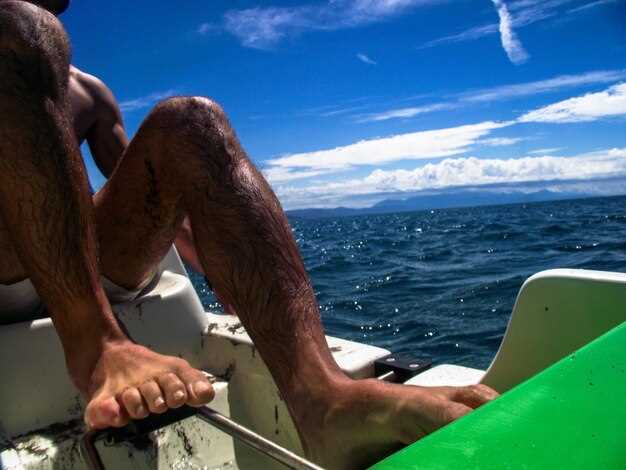 7 Benefits of Chartering an Expedition Yacht – Adventure & Remote Destinations">
Book a private expedition yacht charter to access remote destinations with unmatched freedom. this floating platform carries you from pristine atolls to polar coves, with a crew that designs your days around your interests. You’ll have near-silent noise levels thanks to stabilizers and hybrid systems, while private decks keep the action intimate. The lifestyle blends adrenaline and comfort, letting you wake to sunrise above crystal water and end the day with chef-curated meals on deck.
Benefit 2: Access to remote destinations located worldwide. Access to destinations located off any map is a core draw; expedition yachts are designed to reach remote coves, reefs, and Arctic fjords that cruise ships cannot approach. With a crew that knows coastlines worldwide, you can switch routes in minutes, while staying away from crowded ports.
Benefit 3: Unmatched onboard lifestyle aboard charter superyachts. The onboard lifestyle aboard charter superyachts offers privacy, space, and flexibility. From private dining on the stern to cinema nights in a lounge, every detail is yours for the week. Whilst you explore a secluded island, the crew can arrange a private dive, a chef’s tasting menu, or a guided walk with a local ranger on a nearby shore.
Benefit 4: Safety, reliability, and expert crew. Safety and 24/7 support are built into every charter. Expedition yachts carry seasoned captains, engineers, and dive masters who monitor weather, secure anchorages, and manage remote shores. A private charter includes medical kits, satellite comms, and contingency plans, so you can focus on discovery while back-of-house logistics stay smooth.
Benefit 5: Tailored itineraries and flexibility. Customization matters: you decide the pace, routes, and activities. With a dedicated voyage planner, you can craft a 7–14 day arc that goes from remote archipelagos to volcanic beaches. This level of control lets you come away with a truly unique experience that fits a private lifestyle and a busy schedule.
Benefit 6: Value for groups and privacy. For groups of friends or family, chartering an expedition yacht offers privacy and value compared to resort stays plus separate charters. Weekly rates for expedition yachts vary by size and season, typically ranging from $120,000 to $450,000+ per week, with all-inclusive crew, meals, and onboard activities. The value is amplified when you factor in water toys and tailored excursions that would cost more individually.
Benefit 7: Sustainability and smart planning. Data-driven planning and sustainable practices go hand in hand on expedition charters. The captain and broker share detailed itineraries, risk assessments, and weather models so you can optimize time and minimize impact. Operators prioritize reef-safe anchoring, waste management, and responsible shore visits, helping you travel with a lighter footprint while still discovering the world.
Practical benefits of expedition yacht charters and crucial pre-sail rules
Choose a vessel with documented maintenance records and clear regulations; complete a pre-sail check with consultants before you sail to reduce on-water surprises and set clear expectations for the voyage. Expect fewer delays when the rig and safety gear are verified beforehand.
This approach yields huge practical benefits: safety margins rise, reliability improves, and you can focus on adventure across remote waters. A well-maintained yacht reduces the risk of breakdowns during long passages, enabling you to pursue watersports and exploration with confidence. A known maintenance regime supports overall performance, while a formal set of regulations governs safety gear, liferafts, and communications. A clear leadership system helps the crew execute tasks with precision, taking lead on engine checks, battery status, and fuel availability before each passage. Provide guidance about what to do in case of a fault to empower guests and crew.
Before you sail, adopt a practical pre-sail rules list: verify a project-specific checklist with your consultants, review local regulations, confirm tender handling, and ensure the crew can manage operations under various conditions. Build an escape plan for rough seas and test comms, weather routing, and nav settings. Check maintenance on propulsion, fuel, anchors, and safety gear; confirm spare parts availability and expected service windows. Validate weight balance and the availability of fuel and water; ensure watersports equipment is ready for use in the planned setting. A known, detailed list of requirements speeds up decision-making while in remote waters and reduces last-minute surprises.
Work with yacht management consultants to align the system of checks with the project timeline, including maintenance windows and the availability of service crews at port calls. They help you forecast rare maintenance needs and schedule routine maintenance during layovers, preserving the overall reliability of the expedition. This setup delivers exclusivity in remote destinations and ensures the lead on safety tasks stays with qualified crew during every leg.
Set clear expectations for the crew and guests by sharing a practical list of pre-sail rules, including check times, weather windows, and communications protocol. This planning enhances safety, reduces downtime, and supports a smooth project flow from departure to arrival. By combining strong maintenance, clear regulations, and a disciplined pre-sail routine, you can enjoy vast waters and thrilling adventure with confidence.
Access to Remote Destinations: Polar Regions, Coral Reefs, and Desolate Islands
Begin with a morning briefing to align your family’s needs and craft a flexible plan that a dedicated crew can execute with precision. A personalized itinerary keeps the same rhythm for all ages, and the captain can adjust routes as weather or currents shift.
In polar regions, choose a yacht with ice-strength hulls, heated cabins, and robust safety gear. Satellite communications keep you connected virtually, even when you’re off the grid. Shore visits are guided and limited to protect wildlife, with weather windows dictating timing. Your dedicated crew carries extra survival equipment and a clear safety plan to handle demanding conditions.
Coral reefs shine when you have reef-safe equipment and a dining program that can be personalized to dietary needs. The yacht offers easy entry to shallow-water zones, skiffs for quick shore visits, and guides who know where to dive and snorkel without harming corals. Virtually all itineraries cover reef zones from lagoons to walls, with marine biologists onboard when possible and data-collection options for guests.
Desolate islands require self-sufficiency: water-makers, robust tenders, and independent power supplies keep you comfortable when resupply is days away. A down-to-earth crew schedules morning landings to minimize surf risk, and you can enjoy added privacy with on-deck dining or in coves. With remote emergencies possible, the gear includes first-aid packs, satellite messengers, and trained medical support afloat.
Flexible Itineraries: Weather Windows, Wildlife Encounters, and Spontaneous Stops
The plan will ensure safety and comfort for guests during shiftable legs. It stays flexible through short legs and late-day decisions. Choose a backbone route along sheltered shorelines with predictable anchorages to minimize weather risk. If the forecast shows calm conditions in the afternoon, extend the next leg by a few hours; otherwise pause in a protected marina and reassess at sunrise.
Coordinate a wildlife viewing plan with the onboard team and a local guide to time sightings around feeding periods or migrations. Schedule short, calm-water hops to places where birds gather or dolphins surface, giving guests exclusive access to moments that often become memorable.
Keep a buffer for unplanned stops at scenic coves or isolated shores. During the voyage, the navigator can propose options based on current weather, sea state, and sunset lighting. Before any detour, confirm with guests and log the change in a shared log so everyone feels included.
Crew Expertise & Local Knowledge: Navigation Support, Shore Excursions, and Ground Guidance
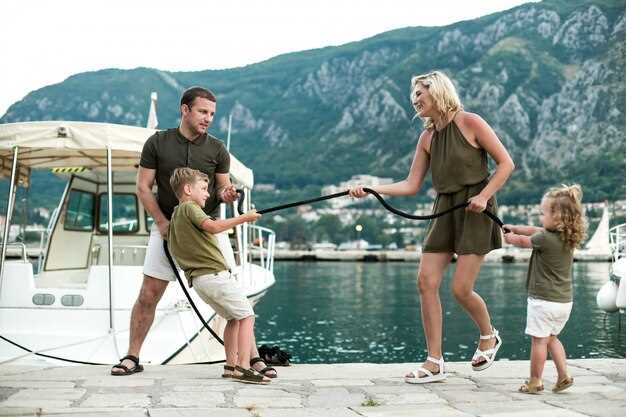
Choose a charter with a seasoned crew who provide proactive navigation support from the outset. The captain and navigator deliver precise passage plans and real-time routing across oceans, including contingency options for adverse conditions. Virtanen, the chief navigator, said the team maintains full situational awareness and keeps emergencies response ready while prioritizing guest comfort.
Local knowledge boosts itineraries across worldwide ports. The same crew leads you to hidden anchorages, safe shore moments, and authentic excursions, with plans that span a range of climates and destinations. They coordinate with licensed guides and ensure mindful interactions with communities, while catering to dietary preferences through onboard catering. Some ports require permits; crew handles these quickly, and owner preferences are integrated into the schedule, with free time ashore that respects rest and hydration.
Ground guidance covers port calls, tender operations, and provisioning. The crew handles permits, customs, and mooring checks, ensuring back-to-back calls run smoothly with clear roles for every hull and deck team. They deploy models and plans to meet ownership requirements, and maintain a consistent level of service that keeps guests well-informed with mindful, personalized attention.
| Aspect | Benefit for guests | Implementation details |
|---|---|---|
| Navigation support | Safe routing across oceans; emergencies readiness | Daily weather briefs; updated passage plans; electronic charts |
| Shore excursions | Customized experiences; mindful of local cultures | Licensed guides; pre-visit risk checks; catering for dietary needs |
| Ground guidance | Smooth port calls; efficient provisioning | Permits handling; customs, mooring slots; port info in advance |
| Vessel readiness | Hull integrity, waste controls, overall safety | Full checklists; ownership and maintenance plans; models reviewed |
Onboard Capabilities for Extended Expeditions: Sustainable Power, Storage, and Comfortable Workspaces
Opt for a charter expedition yacht with a modular hybrid power system that blends solar, wind, and a scalable lithium-battery bank to support nonstop operation in remote fjords. There are several models optimized for long stays; keeping energy needs predictable reduces shore-power dependency. For most voyages, target a 300–600 kWh battery bank, 6–12 kW of solar generation in daylight, and a 20–40 kW genset as back-up. If crew or guest counts rise, the system should scale; there are flexible configurations to suit different adventure profiles. This setup must be compatible with your itinerary, from fjords to open seas, ensuring full autonomy and comfortable living during every stage of the expedition. Being able to manage power from the bridge gives the captain confidence in any remote anchorage.
Storage for provisions, spare parts, and watersports gear scales with expedition duration, including fishing tackle and safety equipment. Prioritize modular refrigeration with separate compartments for proteins, vegetables, and frozen fish, plus a climate-controlled pantry for high-value items. Use dry storage with weather-resistant bins and a lightweight, corrosion-resistant framework to keep decks clear. These choices reduce crew fatigue and keep daily routines seamless after long passages.
Comfortable workspaces improve focus for the captain and crew; plan a dedicated navigation desk with dual screens, ergonomic seating, and low-vibration consoles to minimize fatigue. Build a private planning nook for remote briefings and data review, plus robust satellite comms and a wired charging hub for devices. Ensure there are readily accessible power outlets in every workstation and plenty of natural light to support mindful decision-making. These amenities keep the team ready for any adventure, whether you are charting fjords or setting up a remote camp ashore.
توقع المشاكل قبل أن تعرقل رحلة استكشافية من خلال الصيانة الاستباقية وجدولة أحواض بناء السفن. تتبع حالة البطارية وكفاءة العاكس ووقت تشغيل المولد وحماية الهيكل من خلال التشخيص عن بعد، وتسجيل النتائج بعد كل مرحلة. بالنسبة لضيوف الرحلات المحتملين، قدم معايير واضحة حول القدرة على التحمل واستخدام الطاقة وسعة التخزين. بعد الرحلات البحرية البعيدة، قم بإجراء فحص سريع للأنظمة وتحديث خطط الصيانة لتجنب المفاجآت؛ إذا أشارت الإنذارات إلى أن المكونات القديمة تعرضت للإجهاد، فقم بالتبديل إلى الطاقة الاحتياطية وجدولة تشخيص تفصيلي في حوض بناء السفن. تأكد أيضًا من مساهمة الشركاء المحترمين في استمرارية الخدمة.
أخيرًا، تأكد من أن الإعداد على متن السفينة يتناسب مع مدة المهمة وعدد الضيوف. تقلل خطة خدمة مدروسة من وقت التوقف عن العمل بعد الوصول، بينما يضمن التدريب الواعي أن يتمكن الطاقم من تشغيل جميع الأنظمة بسلاسة. هناك العديد من المزايا لاختيار يخت رحلات مستأجرة مجهز تجهيزًا جيدًا: طاقة أكثر استقرارًا، وتخزين أكثر أمانًا، ومساحات عمل أكثر راحة تحافظ على تركيز كل مشارك على المغامرة. بعد اختبار التكوين في المضايق، سترى كيف تعمل وسائل الراحة المتسقة على تحسين الروح المعنوية والنتائج.
بروتوكولات السلامة وإدارة المخاطر: التدريب، والتدريبات العملية، والاتصالات، وخطط الطوارئ
تطبيق إطار سلامة رسمي مع تدريب إلزامي، وتمارين، وخطط طوارئ مجرّبة. تفصيل الأدوار والاستجابات ومسارات التصعيد لكل سيناريو للحفاظ على راحة وأمن الطاقم والضيوف.
أساسيات البرنامج التدريبي
- يجب على جميع الأفراد إكمال دورة سلامة أساسية قبل بدء الرحلة، بما في ذلك أنظمة السفن، وتفسير الأحوال الجوية، والرعاية الشخصية في المحيطات والوجهات النائية.
- يتلقى القبطان وكبار أفراد الطاقم وحدات متقدمة حول تقييم المخاطر واتخاذ القرارات تحت الضغط وأوامر القيادة أثناء الأزمات.
- يشمل التدريب الطبي على متن السفينة الإسعافات الأولية والإنعاش القلبي الرئوي باستخدام جهاز إزالة الرجفان الخارجي الآلي (AED) والعناية بالإصابات والتنسيق الطبي عن بعد مع طاهٍ أو طبيب مقيم على الشاطئ عند الحاجة.
- تغطي إجراءات الوقاية من الحرائق والاستجابة لها التقسيم، وتسلسل الإنذار، وطرق الإطفاء، وطرق الإخلاء الآمنة؛ وتحاكي التدريبات المشكلات الحقيقية دون المساس بالضيوف.
- تُحوِّل إحاطات السلامة الموجَّهة للضيوف الخطط إلى خطوات عملية، مما يساعد أفراد المجتمع على متن السفينة على البقاء هادئين ومُطَّلعين طوال الرحلة.
تدريبات تبني الثقة وتقلل زمن الاستجابة
- تختبر التدريبات الشهرية إجراءات استعادة رجل سقط في البحر، ومكافحة الحرائق، والإخلاء من السفينة في ظروف إضاءة وحالات بحرية متنوعة، بما في ذلك المضايق حيث يكون الملاحة أمرًا صعبًا.
- تُحاكي تمارين ربع سنوية قائمة على السيناريوهات فقدان الملاحة وحالات الطوارئ الطبية وإخفاقات الاتصال لصقل عملية صنع القرار والعمل الجماعي.
- يشمل التمرين السنوي الكامل النطاق نشر قوارب النجاة، وفحوصات طوافات النجاة، وإجراءات الإشارة، واستعادة الطاقة في حالات الطوارئ، مما يحافظ على العمليات متقدمة على التحول إلى مخاطرة.
- تشمل التدريبات مشاركة الضيوف حيثما كان ذلك مناسبًا، مما يمكنهم من التعرف على الإنذارات، والتجمع بشكل صحيح، واتباع إجراءات السلامة الحديثة دون تشتيت.
بروتوكولات الاتصال التي تصمد أمام العواصف والانقطاعات
- حافظ على قنوات VHF مع القناة 16 كقناة رئيسية، والقناة 70 للسلامة، والقنوات الإقليمية المخصصة للمضايق البحرية والخطوط الساحلية النائية.
- تجهيز الأقمار الصناعية وأجهزة الراديو المحمولة بأنظمة احتياطية، لضمان وصول الرسائل إلى المكاتب الشاطئية حتى عندما يحجب التضاريس خط الرؤية.
- أنشئ سلسلة قيادة واضحة لجميع حالات الطوارئ؛ بحيث يفهم كل عضو في الفريق من يصدر الأوامر ومن يتحقق من الإجراءات.
- سجّل كل حدث يتعلق بالسلامة في سجل رقمي متاح، بما في ذلك الطوابع الزمنية والإجراءات المتخذة والنتائج، لتحسين التدريبات والخطط المستقبلية.
- اختبر أجهزة إرسال إشارات الاستغاثة أسبوعيًا وفي كل ميناء توقف فيه، مع التأكد من أن بيانات الموقع وجهات الاتصال في حالات الطوارئ ونقاط التجمع محدثة.
خطط طوارئ تترجم التدريب إلى حماية واقعية.
- الأدوار ومحطات التجمع: حدد مهام كل فرد من أفراد الطاقم - القبطان، الضابط، المهندس، المسؤول عن الإعاشة، الممرض أو المسعف، الطاهي، والبحارة - مع محطات محددة بوضوح بالقرب من قوارب النجاة ومعدات السلامة.
- مسارات الإخلاء ونقاط التجمع: نشر خرائط مرمّزة بالألوان على متن السفينة وفي نقاط إحاطة الضيوف؛ التدرب على خطط طوارئ متعددة للإخلاء الداخلي والخارجي.
- عملية الحوادث الطبية: إنشاء بروتوكول فرز سريع، وتوفير مخزون من الأدوية الأساسية، وقناة آمنة للتواصل مع المتخصصين الطبيين المتواجدين على الشاطئ.
- ضوابط المخاطر البيئية: تنفيذ إجراءات للتعامل مع تسربات الوقود، وانسكابات المواد الكيميائية، والمخاطر الناجمة عن الأحوال الجوية؛ ضمان التخزين الآمن وخيارات الاحتواء السريع.
- التوثيق ومراجعة ما بعد الحدث: بعد كل تدريب أو حادث، قم بإجراء جلسة إحاطة منظمة لتسجيل التفاصيل ودفع التحسين المستمر.
خطط تشغيلية تدعم مغامرات آمنة في بيئات متنوعة
- تقييم المخاطر قبل الرحلة: تحديد تفاصيل المسار، والمد والجزر، والتيارات، وخيارات المأوى المحتملة في المضايق البحرية والوجهات الصعبة الأخرى لتقليل التعرض لهبات الرياح والعواصف.
- استراتيجية التكرار: توفير قوة دفع احتياطية، وملاحة احتياطية، واتصالات احتياطية؛ والحفاظ على خطط طوارئ بعيدة المدى للرحلات الممتدة بين شبكات الأمان.
- راحة الضيوف ورعايتهم: صمم خططًا وفقًا لاحتياجات الضيوف، بما في ذلك الاعتبارات الطبية وإمكانية الوصول، مع الحفاظ على الانضباط الصارم للسلامة على متن السفينة.
- الإبلاغ عن الحوادث والتعلّم: دمج الدروس المستفادة في إجراءات التشغيل القياسية، مع التركيز على تقليل المشكلات المتكررة وتحسين جاهزية الطاقم.
- تدريبات تعاونية مع الفرق الساحلية: مزامنة الجداول الزمنية مع السلطات المحلية والمستجيبين المتمركزين في الموانئ لضمان استجابة أسرع ومنسقة في كل وجهة.
لماذا تعزز هذه المقاربة السلامة وتجربة الضيوف وعائد الاستثمار
- ثقافة السلامة: برنامج منضبط يجعل السلامة هي السلوك الافتراضي، مما يقلل من الأحداث الوشيكة ويعزز ثقة الضيوف عبر المحيطات والمضايق.
- الموثوقية التشغيلية: التدريبات المنتظمة والاتصالات الحديثة تحافظ على استعداد اليخت لأي مشكلة، وتجنب التأخيرات المعيقة والتكاليف غير المتوقعة.
- تصور الضيف: يرى الضيوف احترافية لا مثيل لها؛ ويكتسب المشروع الثقة، مما يدعم المبيعات المستقرة وإحالات العملاء.
- رضا الطاقم: الخطط الواضحة والروتين المتوقع يحسنان الروح المعنوية، وهو ما يترجم إلى خدمة أفضل وعقود أطول ونواة طاقم مستقرة.
- التحسين المستمر: تعمل جلسات الإحاطة التفصيلية على إغلاق الحلقة بين التدريب والأداء الفعلي، مما يمكّن الأسطول من التكيف مع الوجهات الجديدة ومعايير الصناعة المتطورة.
ملاحظات حول التنفيذ لعقود رحلات السفاري الاستكشافية
- ادمج إحاطات السلامة في كل قائمة فحص قبل الصعود إلى السفينة وفي الروتين اليومي على متنها؛ وتأكد من أنها موجزة وقابلة للتنفيذ للضيوف الذين قد يكونون جددًا في رحلات السفن الاستكشافية.
- جدولة التدريبات حول مسارات سفر الركاب لتجنب التعارض مع فرص المبيعات مع الحفاظ على الانضباط الصارم في السلامة.
- حافظ على خطة طوارئ ديناميكية تأخذ في الاعتبار الأحوال الجوية الموسمية وعمر السفينة والمخاطر المحددة للرحلات الطويلة والمجتمعات النائية.
- التنسيق مع سلطات الموانئ المحلية وخدمات الإنقاذ لوضع توقعات واضحة، ودعم محلي، وقنوات استجابة سريعة في كل منطقة.
- فرص تحسين الوثائق في خطة معيشية، وتحديث الوحدات التدريبية، وفحوصات المعدات، وبروتوكولات الاتصال حسب الحاجة.
قواعد ما قبل الإبحار: التصاريح والتأمين والوثائق والامتثال التنظيمي
احصل على التصاريح والتأمين والوثائق متوافقة قبل تأكيد استئجار اليخوت الفاخرة. تحقق من موافقة دولة العلم لخط سير الرحلة الخاص بك، وقم بتأمين الموافقات المينائية لكل محطة توقف. احتفظ بالنسخ الأصلية والرقمية على متن السفينة، وجهّز حزمة جاهزة للرد على السلطات. في السوق الحالي، حافظ على جداول طاقم عمل واضحة ونقطة اتصال واحدة تثق بها.
التصاريح والموافقات: راجع دولة العلم وكل ميناء ترسو فيه للحصول على التراخيص المطلوبة. بالنسبة لليخوت التي يتراوح طولها من 24 إلى مترًا، قد تحتاج إلى تصاريح أمنية إضافية وتصاريح عمل للطاقم ووثائق استيراد للمعدات المتخصصة. اعمل مع القبطان والوسيط والاستشاري فيرتانن لتجميع حزمة امتثال كاملة. قدّم الطلبات مبكرًا لتجنب التأخير؛ تستغرق بعض السلطات أسابيع لمعالجة الأوراق، لذا خطط اليوم وتجنب التعديلات في اللحظة الأخيرة.
تأمين: بوليصة تغطي هياكل الآلات (H&M) والحماية والتعويض (P&I) تتناسب مع حجم اليخت ومسار الرحلة. أضف مسؤولية الركاب والحماية من حوادث الطاقم؛ وقم بتضمين التغطية الطبية للضيوف أيضًا. إذا كانت الطرق تعبر مناطق عالية الخطورة، فقم بتضمين تغطية مخاطر الحرب. تأكد من تغطية البوليصة لمعدات الرياضات المائية والقوارب الصغيرة والأنشطة التي تتم على متن اليخت، واحتفظ بأرقام البوليصة وجهات الاتصال في حالات الطوارئ في الجناح والصالة لسهولة الوصول إليها.
الوثائق: جمع شهادة تسجيل السفينة، وشهادة العلم، وشهادة حمولة الحمولة حسب الاتفاقية الدولية لطن السفن. والتأكد من صلاحية كل من رقم تعريف الخدمة المتنقلة البحرية (MMSI) ورخصة راديو النظام العالمي للاستغاثة والسلامة البحرية (GMDSS). والمحافظة على تحديث شهادات سولاس (SOLAS) والمدونة الدولية لإدارة السلامة (ISM) والمدونة الدولية لأمن السفن والمرافق المينائية (ISPS) والاتفاقية الدولية لمنع التلوث البحري (MARPOL)، بالإضافة إلى شهادات الأفراد العاملين على السفينة (STCW) والفحوصات الطبية للياقة. وتجهيز بيان بالضيوف وقائمة الطاقم والإقرارات الصحية لكل رحلة، مع التأكد من صلاحية جوازات السفر والتأشيرات لوجهات السفر. وتخزين نسخ رقمية في محرك أقراص مشترك آمن يمكن الوصول إليه من قبل القبطان والمالك.
Regulatory compliance: Follow MARPOL waste handling and oily-water discharge rules; use proper disposal facilities and maintain accurate waste logs. Maintain an ISPS security plan and run regular drills; document security checks and incident responses. Ensure safety equipment inspections, liferafts, lifebuoys, and distress signals are current. For watersports activities, obtain waivers where required and confirm guest safety gear and insurance coverage. Check port restrictions and environmental rules along the itinerary, especially on exclusive itineraries. Keep passengers hydrated and crew alert during checks to avoid last‑minute issues.
Practical steps: assemble a pre‑sail pack with permits, certificates, and policies; assign roles to the captain and chief engineer; set calendar reminders for renewal dates. Share a personalized briefing for guests in a private lounge or exclusive suite, highlighting what you want to do today while respecting local rules. Maintain a responsive reply routine to authorities and brokers, and verify that the records reflect the current owning structure and the latest market requirements. This approach saves time, protects assets, and keeps yachting plans on a smooth, exciting course.