


 العربية
  English (UK)
  Русский
  日本語
日本語  한국어
한국어  Magyar
  Türkçe
  Español
  Čeština
  Svenska
  Português
  Ελληνικά
  Suomi
Suomi  Nederlands
  Română
  Italiano
  Français
  Polski
  Українська
  Deutsch
  简体中文
简体中文  Slovenčina
 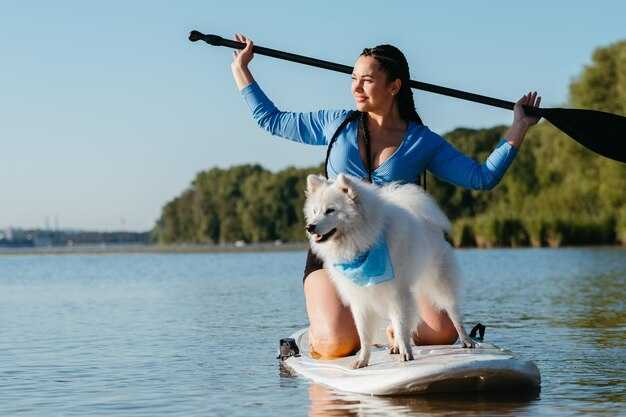 6 Essential Tips for Boating with Your Dog – Advice from a Boat Dog Mom">

Equip a canine life vest that fits snugly on each member of the pack; adjust straps, check for freely moving limbs, and practice wearing it during calm sessions dockside before any voyage aboard the vessel. This simple step will reduce risk when waves crash or surge hit the deck and keeps tails wagging on a longer cruise.
Acclimated dogs respond better; schedule short, daily sessions exposing them to the vessel, deck, and sounds, while using a carrier for nervous dogs and a short leash for stability. Families that wanted a calm voyage should start with gradual exposure; this reduces stress, and you can gauge fatigued states to avoid overdoing it.
Keep kids و dogs within sight; establish a mindful routine so the pack feels safe around kids and guests. Provide water breaks in shade; reward friendly responses using praise and a small treat to reinforce calm interactions. Never leave the canine pack unsupervised near railings; assign roles: who handles the leash, who manages equipment, and who brings the carrier when needed. This promotes a family atmosphere and a friendly, useful crew on deck.
Hydration matters: bring fresh water, a shaded area, and a valid ID tag identifying each canine, plus a quick first-aid kit. Observe signs of fatigued behavior such as heavy panting, slowed movements, or reluctance to move; fatigue increases risk when the vessel rocks. If anything seems off, contact a veterinarian promptly.
Choose gear built to cope with motion: sturdy leashes, long lines, strong carriers, and non-slip mats on deck. Train basic commands in the harbor prior to sailing: sit, stay, comeو heel; this builds a calm crew, helping long trips stay friendly and safe. Keep a lightweight carrier accessible for quiet time underway.
Plan a pre-voyage checklist: ensure vaccinations are valid, attach IDs, and have a plan with a veterinarian near landing; this care supports calm reactions in unfamiliar harbors, acclimate gradually to crowds, exposed dock edges, and interesting smells. Bring a compact bag with a spare leash, a small carrier, and a few collapsible bowls suitable for kids and canines.
6 Practical Tips for Boating with Your Dog: Advice from a Boat Dog Mom
-
Initiate fresh acclimated sessions near shore before any long voyage on a moving platform. This helps a canine companion learn balance, listen to mind and body signals, and reduce fatigue. Know likelihood of seasickness; monitor for wound or limping; a veterinarian can advise. Have litter and cleaning supplies ready, and set expectations about maintaining control during the trip.
-
Equip safety gear tailored to size; a snug life jacket, a built harness, and grip-friendly booties. Practice reboarding on a calm ramp, day by day, to ensure themselves safe access. Rehearsals reduce stress during travel; those who master this habit are likely to stay calm during gusts.
-
Hydration and shade: bring a fresh water bottle, offer water every 15–20 minutes, provide shade or a sun cover; avoid dehydration that leads to fatigue. Know signs of heat stress; remove from sun if skin pinking occurs; grass or deck can be used as a resting spot away from direct sun.
-
Habits and training: use consistent commands such as stay, come, settle; practice several sessions on dry land, then aboard when conditions are calm. A well-memorized routine improves safety and travel quality; this approach reduces confusion during a busy stretch of water. Knowing these cues helps those companions respond quickly, preventing needless drift toward the stern or rail.
-
إدارة المخلفات: قم بإزالة النفايات على الفور، استخدم كيسًا، وتخلص منها على الشاطئ؛ هذا يحافظ على نظافة السفينة ويمنع الانزلاقات. وجود كيس نفايات مخصص ومناديل مبللة يساعد الطاقم على التركيز على الرحلة. احرص دائمًا على التنظيف بعد الأنشطة للحفاظ على سلامة الحياة البرية.
-
تخطيط الرحلة والفحوصات الصحية: حدد مواعيد مع طبيب بيطري قبل المغادرة؛ تأكد من اللقاحات، ومكافحة البراغيث، والاستعداد للعناية بالجروح. قم بإعداد قائمة مرجعية تتضمن مياهًا عذبة، ومجموعة إسعافات أولية، ومقودًا احتياطيًا، وخطة لإعادة الصعود بسرعة إذا لزم الأمر. هذا يقلل من المخاطر ويدعم رحلة أكثر سلاسة، حتى يصل الطاقم بأكمله بأمان وإرهاق أقل.
الإبحار بصحبة الكلاب: خطة عملية لك ولصديقك الوفي
توصية: ابدأ بالسلامة عن طريق تركيب سترة نجاة للكلاب ذات حجم مناسب، وثبت مقودًا قصيرًا بسطح آمن، وقم بإجراء تدريب على الخروج أثناء الجلسات الأولية على الأرض قبل أي رحلة بحرية.
تبدأ الرعاية بالانضباط على سطح السفينة: إزالة المخلفات من السطح، والتحقق من توزيع الوزن بالتساوي، وتعليم الكلاب الاستقرار أثناء الحركة؛ وتوفير أرضية مانعة للانزلاق ومنطقة لعب واضحة بعيدًا عن القضبان في الظروف الهادئة للحد من المخاطر.
خطة التدريب: علّم الأساسيات مثل أوامر "إبقى"، "هنا"، "حول"، و"خروج"؛ الجلسات الأولية في الفناء تبني الثقة حول القارب؛ هذه الروتينات تنتقل إلى النزهات وتساعد الكلاب على الشعور بالأمان أثناء الإبحار.
الوعي بالمخاطر: راقب درجة حرارة السطح والرياح والتيارات؛ ضع واقيات الشمس على مناطق الجلد المكشوفة مثل الأنف والأذنين، وتفقد الجلد بعد اللعب؛ جدولة فترات الراحة في الظل وتقييم علامات التعب حيث تتصاعد بعض حالات التعرض.
قواعد خاصة بفرجينيا: تشدد قوانين الموانئ في فرجينيا على استخدام أجهزة الطفو الشخصية (PFD)، والتعامل مع المقود، ومعدات الرؤية؛ وزن المعدات للحفاظ على التوازن؛ فحص الوزن مقابل الحمولة الكلية قبل المغادرة للحفاظ على استقرار القارب.
تخطيط الخروج والمعدات: وزّع الوزن بالتساوي، وثبّت المقود بنقطة ثابتة، واحرص على وجود مجموعة أدوات مُعدة جيدًا على متن القارب؛ وتأكد من وجود روتين سريع للمقبض بحيث يبدو الخروج طبيعيًا أثناء التحولات في الظروف.
الخدمات اللوجستية للرحلة: مراقبة الطقس وأحوال المياه وطول الرحلة؛ شرح مكان استراحة الكلاب خلال عمليات النقل وإبقائها بالقرب منك في جميع الأوقات؛ الانتباه إلى المسافة من الشاطئ والازدحام المحتمل على سطح السفينة.
:الرعاية اللاحقة وقوائم المراجعة: اشطف بالماء العذب بعد الجلسات المالحة، وجفف جيدًا، وافحص الأذنين والجلد؛ ووفر الماء، ووقتًا للاسترخاء، وفترة تهدئة تركز على الفناء لمساعدة الأجسام على التعافي؛ وتأكد من أن خطوات الرعاية تتوافق مع التحمل الفردي.
الفحص الصحي والاستعداد للسفر قبل المغادرة
حدد موعدًا لفحص صحي بيطري قبل المغادرة، وتأكد من اللقاحات والوقاية من الطفيليات وفحص السلامة؛ واحصل على شهادة إذا كان الوجهة أو الناقل يتطلب ذلك.
جهز صندوقًا طبيًا صغيرًا يحتوي على أساسيات الإسعافات الأولية، ومرهم للوسائد، ومناديل مطهرة، وشاش، وملقط، وأداة لإزالة القراد، وأدوية مُعلبة بوضوح مع جرعاتها؛ وقم بتضمين نسخ من التطعيمات وتفاصيل الشريحة الدقيقة، مخزنة بشكل منفصل عن النسخ الأصلية.
اعرف احتياجاتهم: تحقق من تسجيل الشريحة الإلكترونية وتحديث معلومات الاتصال؛ هذا يقلل من حالات فقدان الرفقاء أثناء النقل. ضع بطاقتي هوية على الياقة واحتفظ ببطاقة احتياطية في صندوق مخصص، مع التأكد من توافق الأرقام مع أحدث إدخالات قاعدة البيانات.
تخطيط الأطعمة: اختر وجبات سهلة الهضم، وحافظ عليها ثابتة لمنع اضطراب الجهاز الهضمي؛ واحزم نسخًا احتياطية من الأطعمة المألوفة في صناديق متعددة؛ وتجنب تغيير الأطعمة أثناء التنقل؛ وتحقق من توصيات الشركات المصنعة للعبوات، والسماح بتغيير النظام الغذائي، وتنفيذه تدريجيًا على مدار 7-14 يومًا قبل المغامرة.
الحماية من الشمس ضرورية: قدم الماء كل 15-20 دقيقة، ووفر الظل، وضع واقي شمسي آمن للحيوانات الأليفة على الجلد المكشوف؛ انتبه لمناخ فرجينيا وتحقق من الكفوف بعد كل مرحلة. الأحذية الواقية على الأسطح الساخنة أو الخشنة تمنع حروق الشمس وتساعد في إزالة الحطام من وسادات الكفوف؛ الترطيب مهم على الشواطئ والطرق الداخلية، خاصة خلال فصل الخريف.
درّب سلوكهم مبكرًا وبشكل متكرر: تدرب على الهدوء في السيارة أو في الكابينة، والتآلف مع القفص، وآداب استخدام المقود؛ علّمهم الاستقرار على حصيرة أثناء النقل، مما يقلل من التوتر ويجعل المغامرة أكثر متعة، حتى تكون مستعدًا أثناء عبور البحار وعلى اليابسة على حد سواء.
معرفة العلامات التي تشير إلى الإجهاد أو المرض، مثل اللهث المفرط، أو سيلان اللعاب، أو القيء، أو العرج، أو رفض تناول الطعام؛ تتطلب معظم الحالات إجراءً سريعًا، وإذا ظهر أي منها، فمن المحتمل أن يشير إلى مشكلة طبية، فاقطع المغامرة واطلب العناية البيطرية على الفور.
| Item | Status | الملاحظات |
|---|---|---|
| تم تحديث الفحص الصحي. | Done | المُعزّزات؛ تم تحديث تفاصيل الرقاقة الدقيقة |
| صندوق الإسعافات الأولية | معبأة | الإسعافات الأولية، أداة إزالة القراد، الأدوية، اللوازم |
| بطاقات التعريف والرقاقة الإلكترونية | تم التحقق | علامتان؛ نسخة احتياطية في الصندوق |
| خطة الأطعمة والمياه | Ready | وجبات منتظمة؛ تخطيط مسبق |
| Sun protection | جاهز. | واقي شمسي آمن للحيوانات الأليفة؛ ظل |
| التدريب والتأقلم | Ongoing | قفص، مقود، إجراءات روتينية هادئة |
معدات السلامة: سترة النجاة، والحزام، وصندوق آمن على سطح السفينة

ارتدِ دائمًا سترة نجاة معتمدة من خفر السواحل الأمريكية ومناسبة لمقاس صدر الرفيق؛ اضبط الأشرطة لترك مساحة إصبعين بين الصدر والسترة، وتأكد من بقاء السترة فوق لوحي الكتف أثناء الحركة. هذا الترتيب يجعل التحميل أسهل.
اربط سرجًا مريحًا؛ وثب حبلًا قصيرًا بعروة سطح السفينة أو حبل الإرساء. يجب أن يستقر السرج خلف الأرجل الأمامية؛ شريطان للصدر قابلان للتعديل وشريط خلفي يبقيان مسطحين لتجنب الاحتكاك. اختبر المقاس على اليابسة، وحافظ على رطوبتهم قبل المغادرة.
قم بتركيب صندوق آمن على منطقة سطح السفينة غير القابلة للانزلاق، مع حشوة مضادة للانقلاب، ومثبت بواسطة رباط الإرساء. اختر صندوقًا به تهوية وباب على الجانب. يجب أن يكون حجم الصندوق مناسبًا بحيث يتمكن الصديق الكلبي من الوقوف والاستدارة والاستلقاء دون ملامسة القضبان. ضع الصندوق في مكان محمي بمظلة أو واقي من الشمس للحفاظ على درجات حرارة لطيفة. حافظ على سلالم ومعدات أخرى خالية حول الصندوق.
خطط للتوقف على الشاطئ للتحقق من الترطيب؛ وخزن كميات إضافية من الأطعمة والمياه في متناول اليد؛ وراقب الترطيب كل 30 دقيقة خلال الأيام الطويلة؛ وتجنب الجفاف عن طريق تقديم رشفات في الأيام الدافئة؛ ويتطلب وجود الضيف تعزيزات للروتين؛ ودرب الرفيق على البقاء في الصندوق أثناء البحار الهائجة وأن يأتي عند الاتصال به؛ وابق متيقظًا للحياة البرية مثل اقتراب بطة؛ وبمجرد أن يصبح الموج متقلبًا، قم بتأمين حبل مربوط بمربط؛ وتأكد من إغلاق غطاء الصندوق أثناء الحركة العنيفة.
يشمل التخطيط سيناريوهات وهمية على طول الشواطئ؛ التدريب على الأرض أولاً؛ الممارسة حول السلالم ومنصات الصعود؛ التوسع تدريجياً في قضاء أيام في البحر؛ النظر في النماذج الأوروبية لتصميم الصناديق؛ يوفر ساحل فيرجينيا رياحًا متنوعة؛ قم دائمًا بتكييف السلوك وفقًا لذلك.
احمل دائمًا أقفال احتياطية ومنشفة سريعة الجفاف؛ احتفظ بتعزيزات إضافية في متناول اليد؛ إذا زادت الحركة، انقل الصندوق إلى منطقة مظللة؛ حافظ على التهوية؛ تجنب وضع الصندوق بالقرب من السلالم أو الأدراج؛ افحص المعدات بانتظام؛ بعد أيام طافية، افحص جميع المثبتات قبل العودة إلى الشاطئ؛ ضع في الاعتبار الاحتياجات مثل الراحة والظل؛ إذا حدث نقل بالمركبة، قم بتأمين الصندوق.
جدول الترطيب والتغذية للوقاية من دوار البحر
ابدأ دورة الإماهة قبل 30 دقيقة من مغادرة الشاطئ؛ قدّم 60-100 مل في وعاء مألوف، ثم حافظ على الوتيرة كل 30-60 دقيقة، اعتمادًا على size والحرارة. عندما تعتاد على الروتين، من المحتمل أن تلاحظ علامات مثل سيلان اللعاب المفرط أو الأرق. بالنسبة إلى نطاقات الأحجام: أقل من 10 كجم 30-60 مل لكل فترة؛ 10-25 كجم 60-120 مل؛ أكثر من 25 كجم 120-250 مل. في الظروف الحارة أو النشاط المفرط، قم بالزيادة بمقدار 20-50 مل لكل فترة.
نافذة التغذية: تقديم وجبة خفيفة قبل 2-4 ساعات من المغادرة؛ تجنب الوجبات الثقيلة خلال 6 ساعات قبل الحركة. خلال النزهات الطويلة، قدم وجبات خفيفة صغيرة كل 60-90 دقيقة، مع التركيز على الخيارات الخفيفة مثل الدجاج المسلوق والأرز أو طعام جاف معتمد من قبل الطبيب البيطري. عدّل الحصص حسب weight وتجنب الأطعمة التي على شكل صنارة صيد أو الأطعمة ذات الرائحة المريبة التي قد تسبب الغثيان.
تشمل المعدات التي يجب حملها أوعية سفر خفيفة الوزن، وزجاجات مياه مانعة للتسرب، ومناشف إضافية. تحافظ الصناديق على تنظيم كل شيء حول القارب. في سياقات القوارب، تأكد من تجهيز الصندوق أو السرير؛ حدد منطقة قضاء الحاجة على الشاطئ أو على سطح السفينة. يسمح التخطيط المسبق لطاقم الضيوف بمراقبة الإشارات أثناء التحميل، مما يقلل من الضغط على القبطان.
روتين قضاء الحاجة: أدخل إشارة مثل “اذهب للحمام” خلال فترات الاستقرار الهادئة. حدد مواعيد لقضاء الحاجة حيث يشعر الكلب بأكبر قدر من الأمان، كل ساعتين تقريبًا، خاصة بعد الوجبات والقيلولة. عندما تكون بالقرب من الشاطئ، وجّه الكلب إلى منطقة مألوفة لتخفيف القلق. جهّز سطح السفينة ببطانة صغيرة أو مجموعة أكياس للتخلص منها؛ تدرب على الأرض أولاً لبناء الألفة.
Hazards and safety: fishhook hazards around the shoreline demand leash control near the water edge. Never leave a dog unattended on deck during rough seas; use a harness, secured tether, or crate. Keep gear secured in sturdy boxes and lower shelves to prevent tipping. Navigation course should include clear routes around hazards; always have everything ready to handle sudden stops or gear shifts. Shoreline access should be kept predictable, especially when guests come aboard, so guests can participate safely in the routine.
Litter Box and On-Board Potty: Portable Solutions
Invest in a collapsible, easily cleaned litter box that nests on a vessel or vehicle deck, preventing spills during travel and days when movement is rough.
Place the box on a dry, shaded line of the deck to prevent sunburn and keep a companion comfortable. If space is tight, another compact tray sits nearby.
Add a fresh, quick-drying mat or turf, made of marine-safe material, so waste stays contained, odors stay low, and a cover allows airflow while shielding from sun.
Provide easy exit: low-rim access and lightweight ladders so a companion can step onto the tray, then return to land.
Think through a simple cleaning guide: rinse using fresh water, scrub using mild soap, and air-dry below a shaded rail; line a trash bag to handle waste.
Keep bags accessible; change them after each travel segment to prevent odor; contact harbor staff when possible about disposal guidance.
This setup saves most time during stops, supports routine, and shows love toward a companion on every voyage.
theres no need to complicate matters when space is tight.
Advance planning reduces friction: stock a small kit below deck, including liners, a spare mat, and a click-seal bag.
Timing Potty Breaks and Dock Access at Each Stop

Schedule potty breaks within 3 minutes after surface contact at each stop, then guide the canine to a familiar patch and give a calm cue to pause before exploration. Prepare a quick surface map to find a dry zone on every dock as a starting point.
Beforehand, map a go-to area on every dock: a dry surface, a clean patch, or a secured ramp. Keep precautions in mind when exposed to wind or sun; carry anti-nausea aids if motion affects comfort, and test some foods that are acclimated to the routine to stay hydrated and keep a calm mind.
At each stop, vary different surfaces to avoid boredom: practice a quick potty pause on fresh wood, metal, or concrete, then reward with a brief play session. Keep training concise: some reps, and gradually build longer stays while maintaining a calm cue; ensure canines learn to respond to surface changes and stay in place. If wind rises, duck behind a sheltered edge to reduce exposed surfaces and safer handling.
Upon arrival at a pier featuring a hook, clip a light leash to a secure loop to hold position while supervising a quick sniff and a fresh water sip. Educate yourself to read signals signaling readiness and to switch to a new routine that respects every surface, including european piers with diverse textures. Maintain stays safely by applying a steady guide, keeping everything in view, and adapting to transient weather, gusts, and wildlife as part of the training.
Waste Management and Boat Hygiene: Clean-Up Kit and Procedures
Bring a comprehensive clean-up kit in a weatherproof backpack and keep it accessible on deck. Better shoreline hygiene starts with beforehand planning and a friendly, proactive routine guests themselves can follow.
Contents below are comprehensive and should be inspected beforehand. This kit is designed to handle case-specific needs aboard, and another crew member can assist if needed.
- Biodegradable waste bags, two rolls; keep bags separate from food; seal tightly after use.
- Spare compostable bags; store in a waterproof pouch.
- Hand sanitizer and disinfectant wipes; use on hands and surfaces after contact involving animals, sand, or gear.
- Paper towels and microfiber cloths; keep dry until needed.
- Small scoop and a brush or scraper; this helps remove grit from the deck and prevent spread.
- Appropriate non-toxic surface cleaner; using a spray bottle paired with a microfiber cloth, enabling quick cleaning of touched areas.
- Sunscreens; store in a separate pocket; signs indicate waste area status and allow quick checks at ladders or access points.
- Lightweight gloves and a spare cloth; helps handle waste without direct contact.
- Extra bags in a labeled pouch; bring along during shore visits and keep below deck during emergencies.
- On arrival, inspect deck surfaces; sanitize hands using sanitizer before touching gear.
- Seal waste immediately after use; twist and tie bag; store in a deck bin.
- Dispose ashore; use signs near ladders indicating status; never leave waste along shoreline or in sand.
- Surface cleaning: using non-toxic cleaner; wipe touched surfaces; allow to dry.
- Animal management: train animals to stay away from waste storage; leash when needed; guests bring themselves into awareness using signs.
- Storage: return kit to backpack; bring spare bags; keep below deck during sailing.
Guest accountability: each visitor, including yourself, should bring themselves into the routine and heed signs near ladders. This approach, said safety guides, keeps the environment friendly and reduces risk alike. In case of surprises, bringing the kit along, using the steps above, and considering below needs makes sessions smoother and safer. Thats why practicing these procedures regularly, training everyone involved, and keeping the backpack ready creates a comprehensive standard that better protects animals, humans, and the shoreline.