


 العربية
  English (UK)
  Русский
  日本語
日本語  한국어
한국어  Magyar
  Türkçe
  Español
  Čeština
  Svenska
  Português
  Ελληνικά
  Suomi
Suomi  Nederlands
  Română
  Italiano
  Français
  Polski
  Українська
  Deutsch
  简体中文
简体中文  Slovenčina
  5 Essential Questions to Ask Yourself Before Chartering Your First Boat">

Start with a pragmatic decision framework: set a clear budget, outline the ports you plan to visit, and lock in safety priorities for that initial sailing experience. A traveling mindset helps you explore more ports and stay prepared.
Choose an appropriate platform: catamaran or mono-hull; weigh handling, space, and the crews you’ll have; confirm what is provided versus optional training or support.
Seasonal planning: align with traveling style, check harbor calendars and events, and map contingencies for weather or port closures.
Budget mapping: calculate docking fees, fuel, provisioning, and visits to ports; decide how many adults will join and how the crews will operate, ensuring they work smoothly and that these processes are provided.
Sketch example scenarios: when unsure, rehearse with the crews how to handle sudden changes, such as weather shifts or an unplanned harbor stop at ports; make these occasions predictable by reviewing provisioning and on-board duties that are provided.
5 Practical Questions to Ask Before Chartering Your First Boat: Costs, Booking, and Practicalities
Lock in a private, all-inclusive quote from a single provider and confirm a clear timeline with port calls. This approach keeps costs predictable, minimizes last-minute requests, and helps groups share a sense of value from the start.
Costs are itemized: base rate, crew, fuel, docking, insurance, provisioning, and safety gear like jackets. Ask for a quick itemized quote and clarify what is included versus what must be arranged independently. Watch for peak-season surcharges and holidays fees, and distinguish domestic routes from international itineraries. Request a breakdown of port charges, netting for crew tips, and any equipment rental to avoid surprises.
Reservation steps: confirm availability for your date, lock the start and end times, and request a written hold. Clarify advance notice requirements, cancellation terms, and what happens if itineraries shift; ask for a digital copy to keep on file. For sunset or evening departures, verify lighting and harbor rules and any restrictions at nearby ports.
Practicalities on deck: verify safety gear includes jackets and life vests, confirm capacity and private spaces, and check compliance with safety regs. Ensure battery backups for electronics, plan provisioning, and decide whether to bring own gear or rely on the provider’s setup. If you visit multiple ports, confirm their access and any port-specific rules, including access to offshore moorings and night-anchorage rules. Consider a quick pre-visit to inspect the vessel and layout.
Operational tips: arrange a pre-visit during advance notice, schedule a dry run in the evenings or during off-peak times, and coordinate with the provider about equipment like extra batteries and safety gear. If the trip includes groups, share the plan early so everyone feels engaged and can bring jackets or other gear. For holidays or peak periods, confirm a firm start date and avoid last-minute changes; consider free cancellation options when available and ensure you can visit the vessel before bringing a larger crew. In case of weather, have a quick alternative plan with backup ports and an aircraft transfer option if needed.
Clarify your cruising goals and charter type (bareboat vs crewed)
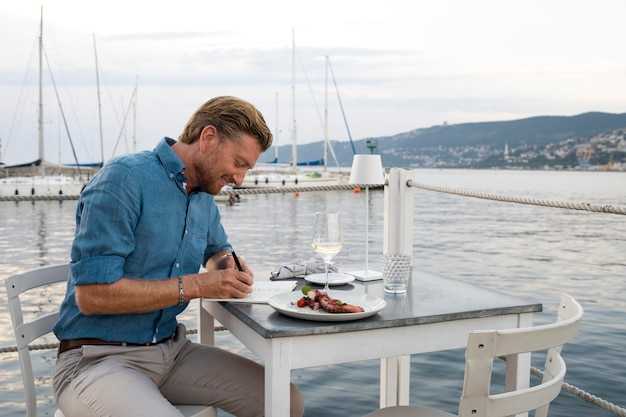
Recommendation: For an initial charter, a crewed voyage offers immediate skipper, provisioning, and safety support, reducing risk and downtime.
Define whats important: staying near shore or venturing into open routes, passenger comfort, and privacy needs; consider child-friendly setups, groups arrangements, and decide whether private experiences or club-like options fit best.
Use a clear pre-check checklist and seek confirmation on crew availability, itinerary, and the season window; this helps avoid issues and misunderstandings.
Map the voyage duration and vessel readiness: if refit or long-haul passages are planned, a crewed option can keep the move smooth and allow longer legs without fatigue.
Assess cost structure: private charters vs club offers, with dining packages and mass dining choices; request a quote and compare flexibility for groups and downtime needs.
Evaluate harbor crowds, crowded ports, and passenger load; plan seating, safety nets for child passengers, and backup plans to handle issues or weather shifts; this minimizes risk and keeps downtime manageable.
Conclusion: if the goal is private, flexible schedules, skipper-provided guidance, quiet anchorages, and a seamless experience, crewed makes sense; else bareboat fits if the aim is control, lower cost, longer exploration, and self-guided dining and move pace.
Estimate upfront and ongoing costs: base rate, fuel, insurance, deposits, and port fees
Start with a concrete recommendation: cap upfront spend by anchoring the base rate to your chosen place and season, then add a 25–30% cushion for fuel, deposits, and port charges.
Upfront costs to lock in before confirming a booking:
- Base rate – the core charter fee. Typical ranges (per day) for bareboat fleets vary by level and location: roughly $150–$350 for entry-level craft, $350–$600 for mid-range boats, and $600–$1,000+ for premium models. In peak dates or exclusive destinations, the rate could be higher. Always compare several offers to see what’s included and what’s excluded.
- Deposit – security or upfront prepayment. Common bands: $1,000–$5,000 for smaller vessels and significantly more for larger hulls, sometimes a percentage of the base rate (20–50%). Confirm refund terms and conditions to avoid leaving a large amount tied up.
- التأمين – protects hull and liability. If not bundled with the base rate, expect to purchase a separate policy (P&I/charter liability). Annual costs often scale with hull value (roughly 0.5–1.5% of value per year); for a mid-range vessel, plan a few hundred to a few thousand dollars annually depending on coverage limits.
- Port fees and marina dues – cover mooring, power, water, and services. Rates are region-dependent and can be charged per night or per call; typical ranges span $40–$200+ per night, with premium hubs and yachts stations on the higher end.
- Taxes and paperwork – verify whether taxes or administration charges are included or billed separately, and whether the quote lists any hidden fees. This detail can change the total by a noticeable margin.
Ongoing costs to budget for during operations and after:
- Fuel – consumption hinges on engine hours and hull efficiency. Request published gallons-per-hour (GPH) or liters-per-hour at cruising speed, estimate planned motoring hours per day, and apply current regional fuel prices. This could range from modest daily allowances on sail-first itineraries to higher sums if the plan relies on frequent engine use. Track usage daily to stay aligned with the forecast.
- Maintenance and supplies – set aside funds for routine upkeep, spares, and consumables (oil, filters, fuses, sockets, basic tools, and a small toolkit). Expect a steady drain even on well-maintained vessels; a quick reserve helps prevent a last-evening scramble.
- Provisioning – meals, drinks, and provisioning items. Tailor the list to comfort preferences and plan for evenings with guests or celebrations. A detailed shopping list helps avoid overbuying and waste.
- Crew or skipper – if hired, this adds to the running costs. A professional skipper will enhance safety, compliance, and overall flow of the itinerary.
- Dockage, utilities, and port calls – multi-port itineraries add up with nightly marina charges, electricity, water, and waste disposal. Build a per-night estimate and add a contingency for last-minute port changes.
- Insurance renewals – if separate coverage is used, include annual premium adjustments and potential endorsements when hull value shifts during the season.
- Unexpected costs – weather delays, emergency repairs, or late-night assistance. Reserve a small cushion to avoid leaving a planned trip unbalanced.
Tips to stay aligned with expectations and make informed choices:
- Solicit three quotes to compare pricing structures, inclusions, and deposits. Look for transparency about what is included (baseload, fuel handling, taxes, and marina access).
- Ask for an itemized contract and a copy of the policy; verify coverage limits, deductibles, and what happens if you cancel.
- Check the hull class and compliance requirements; ensure documentation is current and that all crew or members meet local regulations.
- Clarify whether the charter includes water, electricity, and provisioning allowances, or if these are billed separately–so there are no surprises at the end of the trip.
- Review dates carefully; confirm availability for the planned timeframe and whether flexibility exists without penalty. This reduces the risk of leaving a spot unavailable.
- Use a simple budgeting template to track details–base rate, deposits, insurance, fuel, marina fees, and provisioning. A shared board of notes helps all members contribute and stay aligned.
- Consult a reliable источник for regional pricing trends and seasonal shifts to avoid overpaying. A unique approach to pricing can save significant sums.
- Discuss comfort expectations openly; agree on a reasonable budget that fits the group’s opinion and shared goals, ensuring everyone feels included.
- Establish a quick decision framework for changes–having a pre-agreed approach reduces friction if itineraries shift.
- Keep notes on the boat’s hull and onboard systems, so budgeted maintenance and immediate repairs stay manageable rather than escalating quickly.
Where to start making sense of the numbers: break down the total into base (board) costs and variable components, then compare how each option handles deposits, fuel, and port fees. The process helps everyone, from casual members to seasoned sailors, see the picture clearly and leave with confidence. By focusing on details, you can celebrate a smooth start to the voyage and keep expectations aligned with reality.
Understand the booking process: timelines, payment schedule, and cancellation terms
Lock in a special trip by placing a deposit at confirmation; final balance due 30 days prior to departure. youll receive a concrete plan within 24 hours of the quote. The company will provide a clear timeline, a fixed payment schedule, and cancellation terms that match the plan. Expect check-in details, port allocations, and captain/crew profiles in the agreement. Weather forecasts inform plans and weather-related contingencies. The truth is that this clarity helps the decision process stay smooth. once the plan is reviewed, share inputs with them and the group to avoid surprises.
- Timelines, check-in windows, and port details
youll know milestones: confirmation, payment due dates, final guest count, and check-in. Share the party roster and any special needs. Profiles of the captain and crew are provided for review, and screening steps ensure safety. Attention to forecasts helps coordinate boating segments. Several ports may be involved; quiet start times minimize crowds and speed embarkation. Thats a common approach for small groups.
- Payment types and schedule
Deposit 20% due at confirmation; final balance 30 days prior to departure. the quote remains valid for 7 days. Types of payment accepted include credit card, bank transfer, or PayPal. For large parties or special requests, an admin handling fee may apply. Weather-related contingencies can trigger schedule shifts, with a credit or reschedule option. The number of participants guides any adjustments in the quote and plan.
- Cancellation terms and scenarios
Cancellation terms: 60+ days: full refund minus processing. 30-60 days: 50% of the balance refunded. <30 days: no cash refund. If the trip is canceled by the company due to safety concerns or weather-related conditions, a full refund or a credit for a future window is provided. In such cases, discuss a reschedule within a year; otherwise a fresh quote is issued for a new window.
- Practical tips and reminders
Discuss the plan with the party and confirm the number of members. Prepare swimwear and any scuba gear if the boating leg includes underwater activities. Check-in times and required documents are listed in the port schedule. Ensure port details, check-in times, and gear compatibility are aligned. Share the plan and deadlines to avoid last-minute changes; this helps ensure capacity and seating for small groups or those with fewer participants. If a question arises, contact support promptly. Pay attention to forecasts and weather-related alerts; always have a backup plan. For multiple ports, verify the sequence in the quote and confirm the port for each segment. Thats how you make the final decision with confidence and keep every member comfortable.
Assess legal and safety requirements: licenses, age limits, captain responsibilities, and insurance
Verify licenses, confirm captain duties, and secure insurance coverage now; request written confirmation that all three areas align with local rules and the vessel’s itinerary. Ensure the operator can provide documented credentials, policy numbers, and emergency procedures in a format that fits the trip timeline.
Licensing and limits: Confirm the operator holds a valid license appropriate for vessel length and passenger limits. For craft up to 12 meters, some jurisdictions require a skipper certificate; larger crafts may demand a master license or yacht captain endorsement. Check whats required varies by location, and verify a current certificate and endorsements that cover commercial work; this reduces legal risk if authorities inspect at port.
Age thresholds: Verify minimum ages for helm duties and for passengers who may be on deck; minors often require adult supervision, and some zones restrict operation to those aged 18 or older. If a crew member is under the minimum, plan alternative roles such as observer or non-operational participant to stay compliant.
Captain responsibilities and safety routines: Establish a formal pre-departure briefing, assign roles, and review weather forecasts (weather-related) and route planning; maintain a thorough safety log and daily checklist. The operator should supervise life jackets, lines, and electrical fuses; ensure first-aid readiness and seasick kits; keep a compact, accessible set of emergency contacts and a plan for man over the rail scenarios. This technical, hands-on approach reduces risk and keeps real care for everyone on board; secluded bays require a real plan for swift response, and knowing the limits helps adjust quickly. Training should reinforce core skills to maintain readiness at all times.
Insurance and risk transfer: Verify hull and liability coverage for commercial use, with named insured, coverage limits, and explicit exclusions. Ensure weather-related cancellations are included, and confirm medical, towing, and salvage coverage; verify whether non-owned boat coverage applies and what the deductibles are. Gratuities do not affect policy terms. Request a concise policy excerpt or formal quote that lists coverage, limits, and what’s excluded so the booking aligns with risk tolerance, and avoid shopping for policies; quickly compare terms for possible scenarios to avoid gaps.
Practical verification: Obtain a current liability insurance certificate, the captain’s license, and a safety record; check minimum ages for helm roles and passenger status; confirm a first-aid kit is onboard and fully stocked. Verify the draft and ballast arrangements for locations with constrained basins; ensure amenities such as shelter and seating are available in a compact setup. They should provide documents quickly, and know what’s covered; this helps meet all requests and keeps the plan flexible if weather-related changes arise. If anything seems off, review with the operator until it’s clear. This approach supports a thorough, flexible process that covers what’s needed, quickly and reliably.
Plan on-water logistics and arrangements: itineraries, provisioning, crew expectations, and weather contingencies
Lock a two-leg, daylight-first itinerary across the coast and reserve harbor slots 72 hours ahead; bring spare lines, charts, a VHF radio, a weather radio, and a backup plan; review details with the broker to verify availability and liability coverage, then confirm harbor slots are available, and proceed to the next leg.
For a first-time captain, split the route into primary and fallback options, using sheltered areas and two anchorages; ensure harbor draft fits docks and that front access to galley and lounge accommodates the crew; keep contact with the broker to confirm availability and liability coverage; review the plan twice and assume a flexible schedule that can shift by an hour if wind shifts. Get a forecast quote from two providers to compare wind, swell, and visibility.
Provisioning starts with per-person daily targets: meals multiplied per day, water at around 20 liters per person per day, and a 15–20 percent buffer for holidays or price spikes; plan for three days with an extra fresh-produce run to cover mid-trip needs; front cabin storage should be organized for quick access, and dietary restrictions must be documented to accommodate on-board needs.
Crew expectations include clear roles: captain, navigator, lookout, cook, and deckhand; publish a guidance document with watch rotations, safety drills, and meal duties; aim for very organized evenings, respect downtime, and participate in meals to boost bonding and memories; this reduces liability and increases confidence; rely on a brand you trust for life jackets and flares.
Weather contingencies rely on two forecast sources and a broker-provided quote; build two contingency routes using sheltered harbors; if squalls appear, switch to the alternate harbor and reduce speed to maintain a safe margin; if visibility drops, postpone movements and wait for a 3- to 6-hour window; ensure the chosen weather window exceeds shore estimates to minimize downtime.
| Item | Quantity | الملاحظات |
|---|---|---|
| Water | 200 L | 3 days for 4 pax; store in front cabin |
| Meals & snacks | 12 meals + 6 snacks | 3 meals per person per day; quick options |
| Non-perishables | 10–15 kg | Pasta, rice, canned sauces |
| Fresh produce | 15 kg | carrots, greens, tomatoes |
| Fuel | 60 L | for galley and small genset |
| Spare parts & tools | kit | impeller, fuses, duct tape |
| معدات السلامة | PFDs, flares, medical kit | check before departure |
| Entertainment | cards, waterproof games | evening downtime |