


 العربية
  English (UK)
  Русский
  日本語
日本語  한국어
한국어  Magyar
  Türkçe
  Español
  Čeština
  Svenska
  Português
  Ελληνικά
  Suomi
Suomi  Nederlands
  Română
  Italiano
  Français
  Polski
  Українська
  Deutsch
  简体中文
简体中文  Slovenčina
 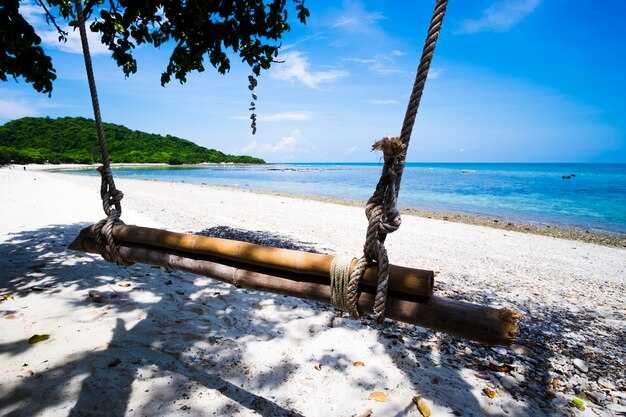 10 Interesting Facts About Seychelles – Discover the Paradise Islands">

خطط لزيارة بين شهري أبريل ومايو عندما تضعف الرياح التجارية وتهدأ البحار. وبين الخلجان المزدانة بأشجار النخيل، تتلألأ البحيرات الفيروزية بينما تتأرجح ثمار جوز الهند. تقدم هذه المنطقة الرئيسية الطبيعة في أفضل حالاتها الغنية بالكنوز.
اليونسكو تُبرز تدابير الحماية فالي دي ماي في براسلين كملاذ لأشجار جوز الهند البحري، من بين أقدم أشجار النخيل، التي تحمل ثمارًا ضخمة.
جُزيرات صغيرة تحمل تنوعًا حيويًا., ، حيث تزدهر الكائنات الحية مثل السلاحف العملاقة وأسماك الشعاب المرجانية حول حدائق المرجان. ابحث عن الخلجان الهادئة حيث يزدهر النبات وحيث تؤوي الظلال مخلوقًا خجولًا.
التراث البريطاني لا يزال ما بقي من الهندسة المعمارية الاستعمارية وأكشاك الأسواق والتقاليد العائلية على الشواطئ. تقدم الأسواق مزيجًا من خلطات التوابل والفواكه الاستوائية. يمزج المطبخ المحلي نكهات جوز الهند في الكاري والحلويات التي يتذكرها الزوار بعد فترة طويلة من المغادرة.
محبو الطبيعة استمتع بساحل فيروزي واسع يمتد لكيلومترات، حيث تحتضن أحزمة المانغروف الحياة وتتوهج حدائق المرجان تحت الشمس. بعض الخلجان التي تسمى البحيرات الزرقاء تأوي مخلوقات مرجانية فضولية وأسماكًا زاهية بين أحواض الأعشاب البحرية المتأرجحة.
جوز الهند البحري تُعتبر رمزًا أسطوريًا، بينما تجرف جوز الهند الشواطئ في مجموعات. بين أشجار النخيل، يحصد السكان المحليون الثمار الناضجة ويشاركونها مع الزوار الذين يبحثون عن النكهات الطازجة.
نصيحة للمسافر البقاء بالقرب من الموانئ الصغيرة لتقليل المسافات الطويلة؛ يقدم المرشدون ذوو الخبرة العالية نصائح حول الخلجان المخفية وأفضل مواقع الغطس. توقع ابتسامات دافئة من السكان المحليين الذين يعيشون بالقرب من الطبيعة ويعاملون الزوار كعائلة.
كنز لا يكمن فقط في المياه الفيروزية بل في الناس والنباتات والقصص التي تعود إلى قرون والتي تحملها الأمواج. من خلال الزيارة بعناية، يساعد المسافرون في الحفاظ على النظم البيئية الهشة ودعم العائلات المحلية التي تعتمد على السياحة المستدامة.
رؤى حول السفر إلى سيشيل
خطّط لزيارة عند الفجر إلى محمية كوريوز لمقابلة السلاحف العملاقة، واحرص على حمل الماء وواقي الشمس، ثم استمتع بالغطس في المياه الفيروزية بالقرب من أشجار المانغروف.
أصبحت الثقافة هنا مزيجًا من أفريقيا وآسيا وأوروبا؛ يصبح الزوار جزءًا من سلسلة حية من القصص المستوحاة من قراصنة الماضي ورياح الملح وحرف بناء السفن، والخلجان المسماة على طول سواحل سيشيل.
تنوع الحيوانات تتميز عبر المناظر الطبيعية: السلاحف العملاقة تجوب ممرات المحمية؛ طيور البحر تحوم فوق المنحدرات؛ أشجار المانغروف تأوي الأسماك الصغيرة بينما تجذب الشعاب المرجانية الدلافين القريبة.
تنبض الأسواق بالموز والفانيليا وفاكهة الخبز؛ تمارس المزارع الصغيرة الزراعة المستدامة؛ يمكن للزوار تذوق المنتجات الطازجة ومشاهدة الحرفيين العائليين وهم يشكلون السلال من سعف النخيل، ويحولونها إلى هدايا تذكارية نابضة بالحياة. تشكل مجموعة متنوعة من الحرف خيارات لتلبية الأذواق الأخرى.
عند التخطيط للانتقالات، فضّل التنقلات الصباحية بين المواقع والجزر القريبة؛ تؤثر تغيرات الرياح على الرؤية، لذا تحقق من التوقعات الجوية الحديثة؛ يضمن الحجز مع المشغلين المرخصين السلامة والوصول إلى المحميات البحرية.
احترم الطبيعة: تجنب إطعام الحيوانات، والتزم بالمسارات المحددة، واستخدم واقي الشمس الآمن للشعاب المرجانية؛ على الرغم من الحرارة، توفر المسارات المظللة الراحة؛ يشرح المرشدون المحليون سبب فائدة الحفاظ على المسافة لكل من الزوار والأنواع المقيمة.
في هذا الأرخبيل، لا يزال التنوع الثقافي قويًا، ويربط العائلات عبر القنوات؛ القصص التي تنتقل عبر الأجيال تحافظ على العادات حية، من أغاني السوق إلى الوجبات الخفيفة المعتمدة على الموز والتي يعتز بها السكان المحليون والمسافرون على حد سواء.
ربما تكشف رحلة بحرية عند غروب الشمس عن أشرعة في آفاق بعيدة وصور ظلية لجزر مرجانية صغيرة؛ بقيت حصون تاريخية على طول الممرات الساحلية، تحمل تذكيرات هادئة بالصمود البحري.
أفضل وقت لزيارة سيشيل لمشاهدة الحياة البرية والقيام بالأنشطة الشاطئية
أفضل وقت لمشاهدة الحياة البرية والاستمتاع بالشاطئ يمتد خلال فترتين من الموسم الجاف: أواخر أبريل - يونيو وأواخر سبتمبر - نوفمبر. تظل البحار أكثر هدوءًا، وتقل الأمطار، وتناسب فترات الصباح زيارة المحميات المدرجة في قائمة اليونسكو بما في ذلك Cousin وCurieuse وAride، حيث يمكن رؤية الببغاوات النادرة والسلاحف الضخمة؛ وتنتشر بذور النباتات الاستوائية على حواف الغابات، مما يعزز النشاط الغذائي عبر السواحل البديعة.
تبلغ الحياة البرية أوجها عند الفجر؛ ورؤية ببغاء سيشيل الأسود المتوطن أمر شائع في صباحات موسم الجفاف في أريد وكوريوز وكوزين. يلاحظ الزوار الآسيويون النهج الإنساني الهادئ والمحترم للحياة البرية؛ وغالبًا ما تجمع المجموعات العائلية بين قضاء الوقت على الشاطئ والمشي لمسافات طويلة بصحبة مرشدين. تختلف نوافذ التعشيش حسب الموقع، لكن البحيرات الساحلية تستضيف طيور مالك الحزين وأبو منجل وأسراب الأسماك المرجانية بالقرب من الشعاب الضحلة.
تشمل العوامل المناخية أنماط الأمطار الاستوائية والرؤية في المياه المفتوحة؛ حيث يوفر موسم الجفاف من مايو إلى أكتوبر مياهًا أكثر صفاءً وأيامًا أكثر أمانًا على الشاطئ، بينما ترتفع الرطوبة الاستوائية من نوفمبر إلى أبريل. تدعم المحميات المدرجة في قائمة اليونسكو التثقيف في مجال الحفاظ على البيئة؛ بدأت برامج الحفاظ على البيئة منذ فترة طويلة تحت التأثير البريطاني، مما شكل إطار الحماية الحالي. يستفيد الزوار من الثقافة الفريدة والمجتمع المفتوح والحوار المفتوح مع الدول عبر القارات، مما يمزج بين التأثيرات الأفريقية والآسيوية والأوروبية، مع الجولات المصحوبة بمرشدين محليين والتي تؤكد على المشاهدة المسؤولة.
نصائح عملية: جدولة زيارات عائلية لمراكز المحميات خلال الصباح؛ تخصيص رحلات غوص بالمنظار في البحيرات الضحلة في سانت آن أو باي لازار؛ رحلات في المياه المفتوحة من ماهي وبراسلين؛ من النقاط المطلة على المياه المفتوحة، ستشاهد أسماكًا ضخمة وسلاحف وأسماك الراي؛ احترم دائمًا اللافتات والمناطق المحظورة للحفاظ على الموائل الهشة.
أفضل الجزر لشواطئها البكر وشواطئها المنعزلة
الاختيار الأفضل: توفر جزيرة سيلويت شواطئ بكر وعزلة، تحيط بها شواطئ جرانيتية وخلجان هادئة.
يوفر التاريخ سياقًا: بحارة مبكرون، ومحمية سلاحف، ومجتمعات محلية تشكل الحياة الساحلية عبر أميال من الرمال.
لقضاء عطلة هادئة، تقدم جزيرة كوسن رمالًا صفراء وخصوصية، مثالية لزوجين يبحثان عن الخصوصية بعد أيام طويلة من استكشاف الشعاب المرجانية.
تستعرض جزيرة الطيور وأريدي مستعمرات الطيور البحرية، والبحيرات المخفية، والحيوانات الاستوائية. تزدهر الحياة البرية، وتتنوع الحياة البحرية، على الرغم من ازدهار قناديل البحر في موجات موسمية.
لا تزال لا ديغ متاحة من فيكتوريا عبر طرق العبّارات، لدعم خيارات الإقامة المحلية وسلسلة ساحرة من البحيرات الشاطئية والكثبان الرملية.
من منظور بحري، تهدأ مسارات الغوص مرة أخرى بعد مرور قناديل البحر، مما يوفر سباحة آمنة للمبتدئين.
تشمل العوامل التي تم أخذها في الاعتبار سابقًا إمكانية الوصول، والخصوصية، واحتياجات السكان المحليين، وجودة الحياة البرية؛ وتسرد التجارب السابقة من الزوار التفضيلات عبر الشواطئ الاستوائية.
| Island | Highlights | أميال الوصول | الحياة البرية والحيوانات |
|---|---|---|---|
| خيال | شواطئ بكر، عزلة، خلجان | 25 | سلحفاة عملاقة، طيور بحرية استوائية |
| ابن/ابنة العم/الخال/العمّة/الخالة | رمال هادئة، خصوصية، غوص | 15 | Marine life |
| جزيرة الطيور | مستعمرة الطيور البحرية، بحيرات شاطئية مخفية | 60 | الطيور البحرية، السلاحف البحرية |
| عارضة | Secluded scrub, wild fauna | 50 | Birds, lizards |
| La Digue | Iconic beaches, easy biking | 40 | Lizards, reef fish |
Snorkeling and Diving Hotspots: Coral Reefs, Turtles, and Clarity
Please book guided dawn snorkel from praslin to witness crystal water and a thriving reef silhouette; start along a route that loops around large coral walls and pools, where visibility usually peaks after first light.
praslin boasts some of highest coral formations around a unesco chain; some spots suit family trips with calm currents, while others offer a variety of features that steadily change with season.
These locations host green and hawksbill turtles; they provide habitat to a range of inhabitants, including a sooty parrotfish and a small parrot species.
Visibility shifts with cyclone season; during storms, currents cloud water and strain comfort, after which clarity returns again.
Location options span Mahe, praslin, Silhouette, Curieuse; a quick hop around praslin to Curieuse Marine Park outlines best route for a first-time snorkel, then onward to larger reef patches around nearby islets.
arab history along ancient trade routes shaped this area; such history lives on in reef structures and in inhabitants who maintain a network of parrot species.
The Aldabra Giant Tortoise: Record Size, Longevity, and Habitat
Plan a nature-focused vacation to observe indigenous Aldabra giants within granitic habitat on uninhabited atolls.
Record size
- Carapace length up to 1.0–1.3 m; weights commonly 180–250 kg; occasional individuals exceed 250 kg.
- Oldest verified individuals approach 150–180 years; some captives report 180–200+ years.
- Among worlds of long-lived reptiles, Aldabra giants rank exceptionally high for size and resilience.
Longevity and biology
- Slow metabolism and low predation contribute to remarkable lifespans; growth takes decades; maturation typically around 20–25 years.
- Indigenous to Indian Ocean, primarily on granitic Aldabra group; habitats protected within reserves sustaining essential populations.
Habitat and ecology
- Location lies within granitic Seychelles; Aldabra Atoll includes numerous uninhabited islets; seabird colonies nest nearby.
- Habitats span grasslands, mangroves, scrub, and seagrass beds; tortoises roam within protected zones at sites such as Grande Terre, Malabar, Picard, and other islets.
- Diet consists mostly of grasses and leaves; fruits and trees appear seasonally; bananas, if present, are discouraged as food for wild populations.
Conservation and visiting tips
- Aldabra is a UNESCO World Heritage destination; visitors must follow route regulations, stay on marked paths, and avoid disturbing nests; bears do not inhabit these lands.
- Access from mahe via boat; travel times depend on weather; trips commonly span 2–4 days; obtain permits at reserves offices; shopping is limited to designated sites; currency exchanges occur on mahe or at airport.
- Destination features multiple atolls; then plan onward to adjacent islets; nature experiences emphasize seabird watching and tortoise sightings; these landscapes showcase beauty and heritage.
The Misnamed Tortoise Explained: Names, Species, and Significance
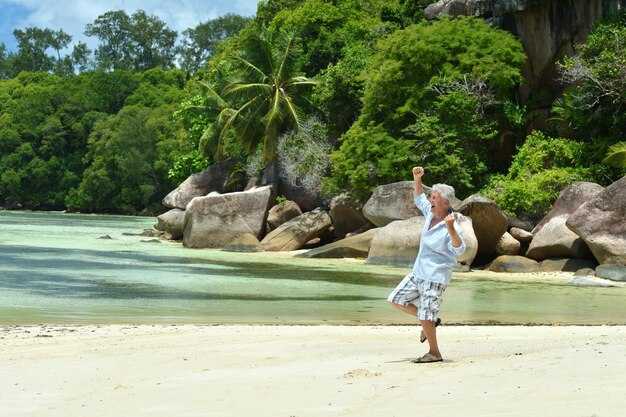
Identify misnaming: this species is terrestrial giant, not sea turtle. Across corners of its range, labels shift: giant tortoise or Aldabra tortoise describe different scope, but not marine lifestyle. These giants live on atolls and palm-fringed isles, shaping seed dispersal and plant diversity by nibbling and trampling patterns. Long life spans define resilience in fragile ecosystems, despite risk from human activity.
Names map to lineage rather than vanity. Aldabrachelys gigantea stands as current scientific name; older tags once placed within Geochelone genus. Some sources believed separate populations were distinct species, though genetic data show close kinship. This misnaming persists in field guides, museum labels, and local languages when discussing exotic residents rather than wild, terrestrial inhabitants.
Significance stretches beyond image of a slow traveler. unesco recognition of Aldabra’s ecosystem underscores tortoise as a keystone for seeds, palm-fringed corridors, and vegetation maintenance in towns and remote corners. Adult females roam in search of mates, while males display courtship; such behavior shapes genetic diversity and population stability. Conservation actions curb risk from illegal collecting and habitat destruction, preserving eden for future visitors. This makes a tangible impact on local country economies and global research efforts, guiding decisions about making protected zones resilient. This knowledge can help visitors avoid misperceptions.
From a visitor standpoint, learning, observation, and respect matter. On a cruise-wilkins itinerary, a couple may enjoy a honeymoon while witnessing giant tortoises live in protected zones. Avoid handling or feeding; keep pets away; never remove seeds or plant material. Shopping locally supports currency stability and livelihoods in small towns. Some isles host parrots, like black parrots, adding exotic color to morning walks; please observe without causing stress or disruption.
Despite crowded routes, mindful travelers experience rewarding, human-scale moments: watching a female tortoise move slowly, listening to local languages, and noting how seeds survive on wind, birds, and parrots; it’s a living eden that benefits from careful stewardship. Please remember to respect boundaries, report disturbances, and consider how country-scale conservation rewards both residents and visitors. This experience helps deepen understanding and making travel choices more responsible.