


 العربية
  English (UK)
  Русский
  日本語
日本語  한국어
한국어  Magyar
  Türkçe
  Español
  Čeština
  Svenska
  Português
  Ελληνικά
  Suomi
Suomi  Nederlands
  Română
  Italiano
  Français
  Polski
  Українська
  Deutsch
  简体中文
简体中文  Slovenčina
 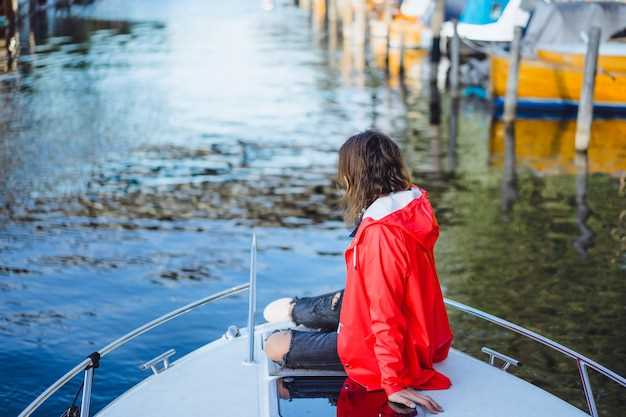 10 Fun Things to Do on a Boat – Activities and Tips">

Begin with a single prescription: four 15-minute deck sessions per hour from sunrise to sunset; rotate chores; enjoy brief breaks, snacks, views.
cloudy skies shift priorities toward tactile learning teach basic knots, weather checks, simple charts, safe movement along the deck for calmer hours.
For gotland weekending, try a unique mix: deck games, knot basics, simple chart reading; a shoreline scavenger hunt that teach safety to little ones, boosts company morale, involves quick task rotation.
Back home, youre ready for a wider voyage; you can teach a core rhythm, lifetime memories accumulate; better together. The crew rehearses teamwork, sharing skills, you can teach one another; the atmosphere feels wonderful, unique, guaranteed to strengthen togetherness during future trips. The deck becomes a classroom, practical, calm, even on cloudy mornings.
Onboard Adventures: Practical Activities and How-To’s
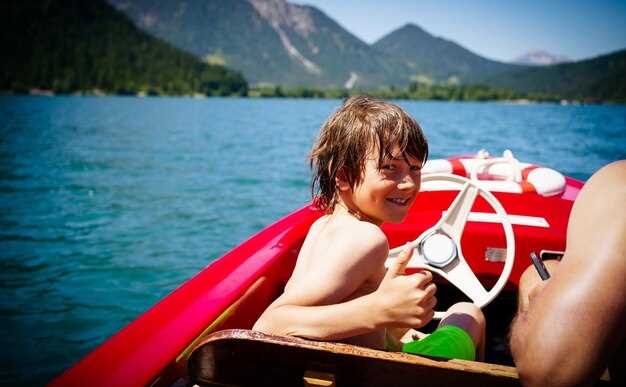
Attach a dedicated tow rope to a secure stern perch, length 60–70 ft for wakeboard sessions; 40–50 ft works for tubing with kids. Ensure every rider wears a properly fitted PFD; station a spotter at the bow to monitor every side and keep communications clear. Having a spare tow clamp speeds set-up, youre ready to roll.
- Wakeboard progression – Verify line length (60–70 ft), bindings, and stance. Start at 18–25 mph to build control; advance to 22–28 mph as skill improves. Keep knees bent, chest up, eyes forward, and weight centered over the board. Practice edging to carve the wake, then recover with a controlled fall. Maintain position in the designated lane and use hand signals with the spotter. These steps make trips increasingly exciting and help you become a steadier rider, creating lifetime memories.
- Tubing technique – Choose a round or double tube. For kids, use 40–50 ft; for adults, 50–60 ft. Keep throttle gentle, aiming for 12–18 mph; riders should grip handles with both hands and stay seated with knees slightly bent. Maintain a flat, stable body to reduce flips and keep a safe distance from other crafts. In saltwater, watch currents and avoid rocky areas; pre-check rope integrity and clamps before each run. This setup remains smooth and enjoyable on every run.
- Solo rides – When riding solo, opt for a longer line (60–70 ft) to create more wake. Stay in sight of the spotter, use clear hand signals, and pick calm, protected locations with flat water. Keep the vessel’s position near the stern and stay mindful of other traffic. Youre learning to manage balance and control independently, which boosts confidence on every voyage.
- Family zone for kids – Design a safe learning area near the bow or a sheltered side with shallow water. Assign a dedicated observer, limit runs to short intervals, and offer frequent breaks for hydration. Provide simple, kid-friendly activities like guided paddles or shallow-water swims with supervision. Nice, calm sessions reduce stress and build positive memories for the whole crew.
- Destinations and routes – Map out easy trips to sheltered coves and nice anchorages along saltwater coastlines. Check tidal currents, wind forecasts, and water depth at each locations. Plan alternate options in case of wind shifts. Cruises exist across many coastlines; you can cruise to multiple destinations in a single day or spread trips across several days, expanding your repertoire and keeping the schedule fresh.
- Saltwater care and safety – Rinse wakeboards, tubing fittings, and hardware after exposure. Dry thoroughly, inspect fittings for corrosion, and store in a dry location. Carry spare parts, clamps, and zip ties for quick on-site fixes. Regular checks help gear last longer and stay attached to the craft when needed most.
- Entertainment between runs – In calm anchorages, project a short movie in the cabin or on a portable screen. Keep the volume reasonable for neighbors and ensure seating is secure. A relaxing session between trips adds a nice balance to high-energy routines and helps the crew recharge.
- Refreshments and moderation – Maintain a hydration station with water, juice boxes, and electrolyte drinks. If permitted, a cooled beer in a dedicated area is fine when the craft is anchored and no one operates the vessel under the influence. Emphasize responsible choices and rehydration to stay sharp for the next leg of your voyage.
Having these structured play cycles, youre positioned to explore destinations with confidence. Each run exists as a chance to refine technique, enjoy saltwater scenery, and build lifelong memories that come from shared, practical adventures on the water.
Safe Kayak Launch from a Boat: Gear, Space, and Communication
Launch plan for sailing trips: keep a 2 m circle clear around the stern; lay a padded mat; tie a 6 ft painter to a cleat; designate a host; lower kayak slowly using a single smooth pull.
Gear checklist
| Item | Purpose | الملاحظات |
|---|---|---|
| PFD | Buoyancy aid | Wear during handling near water |
| Paddle | Propulsion | One per person; keep within reach |
| Throw line / dry bag | Rescue aid; valuables protection | Secure on deck |
| Dry bag | Keep valuables dry | Waterproof; contents listed |
| Whistle | Signaling | Attach to PFD |
| Mask | Face protection | Keep readily accessible |
| Kayak leash | Drift prevention | Attach near stern |
| First aid kit | Injury response | Basic supplies; water resistant case |
| Phone waterproof pouch | التواصل | Charge before launch |
| chair / kneeling pad | Prep comfort | Foldable option; place near host |
Stability aid: snowboard can serve as low-profile deck surface; position near stern; improves balance during prep
Space planning: maintain 2 m clearance around the stern; move bags to aft compartments; bring bags away from the launch path; place a padded mat under the launch zone; position a foldable chair for the host; keep yourself balanced during lowering; maintain steady stance; ensure deck remains stable; restrict crowding; time the sequence with a calm, controlled lift.
Communication protocol: assign host; appoint speaker; run a quick PPE check; predefine signals: two taps on hull = hold; long horn = proceed; youve got to maintain eye contact; when weather shifts, pause; use whistle as backup; if hesitation arises, stop; recheck rigging; during launch, keep crew in line; after contact with kayak, move together; reading wind patterns; For yachting routines, maintain standard signals; track number of steps; refer to the boat manual for step sequence; track number of steps; time actions to minimize deck load; Adrenaline spike control: pause; breathe; when a complication comes, pause; assess; Once aboard, monitor wind; prefer measured motions; ideas for staying calm include breathing; practice plan on dock prior to trip; Together with the crew, maintain calm.
Deckside Fishing for Beginners: Setup, Tackle, and Regulations
Attach onto a rail a compact fly-fishing setup; keep line tight, leader short, and rod secured. This setup doesnt require heavy gear and lets you remain calm while delivering adrenaline, which might be your favorite routine on offshore vessels. However, stay mindful of other water users and conditions at hand.
- Setup essentials: a 7-9 ft fly rod, 4-6 wt, a light reel, and a rail-mounted holder attached to the back or gunnel. Lets you stay in control and makes every cast predictable.
- Line, leader, and tippet: floating line, 9-12 ft leader, 12-20 lb backing; 2-4 lb tippet for delicate patterns; sizes should match the target species and water clarity, including offshore depths.
- Fly-fishing list: carry a focused selection including shrimp patterns, baitfish patterns, and clouser-minnow variants; sizes from #4 to #10 cover most deckside needs, having minute color tweaks for different water tones.
- Mounting and security: use a strap or clamp to keep the rod steady; towable platforms or small tenders nearby require extra restraint to avoid tangles or backlashes.
- Technique on deck: think about wind direction, keep line off the deck, and practice single-cylinder casts; this approach minimizes crowding and raises success rate, even when adrenaline is high.
Regulations and compliance: know local rules before casting, including licensing, zones, and gear restrictions. This section covers the basics every deck angler should confirm with the crew or local authorities.
- Licensing and permits: obtain the appropriate saltwater or freshwater license for your location, and verify whether the vessel requires additional permissions for deck fishing.
- Targets and sizes: sizes and bag limits apply; offshore targets may differ from nearshore species, so check current charts and local fishery notices (F notices) before each trip.
- Gear rules: some areas require barbless hooks or single hooks; fly patterns and leader lengths may have limits–confirm on board or with the port authority.
- Safety and etiquette: wear PFDs, keep lines clear of passengers, and respect propellers and roaming watersports activity; maintain a safe distance from crew operations and other vessels.
- Location and timing: certain decks restrict fishing in designated zones or during specific hours; there there is often a marked fishing area on the vessel, so stay within it.
Water Play for All Ages: Games, Floatation Devices, and Safety Tips
Fit everyone with a Coast Guard–approved PFD before departure, then perform a quick float test in shallow water to verify snug straps and buoyancy for yourself and everyone nearby.
Choose inclusive, deck-friendly play options that require minimal gear: floating ring toss using a buoy ring and pool noodles, a lightweight water basketball setup, and a treasure hunt with waterproof markers. Keep distance between participants to prevent collisions, rotate turns so everyone has a moment to shine; this might reduce crowding, and allow everyone to participate together to meet what everyone wants.
Offer a range of flotation devices: towable tubes in two sizes, age-appropriate life vests, kneeling boards, and foam kickboards. Store gear in a dry bag near the stern to keep items dry and easy to grab, helping every person stay comfortable during a long weekending.
Safety measures: tether loose items to the railing, tying knots to secure lines, designate a shaded rest area, and place a beverage within reach. Important: this isn’t the usual routine; stay vigilant in sunshine, hydrate often, and supervise every child. When retrieving gear, step back from the rail.
Older participants might enjoy a quiet corner for fly-fishing from a stable platform when anchored; bring a compact rod, a hat for sun protection, and a small tackle box, enjoying exploring views of the horizon.
Weekending gatherings can include a barbeque on deck with a dedicated grill zone away from splash zones; provide portable shade, a single beverage station, and separate cups for hydration; schedule rotating roles so the crew sails together. This setup offers best and unique ways to keep everyone engaged.
Other practical steps: confirm weather and wind, recheck life-jacket fit after a short ride, keep a throw rope in a reachable pocket, and rehearse a simple rescue sequence; this keeps everyone prepared and highlights different ways to stay safe.
Onboard Cooking Hacks: Quick Meals, Snacks, and Easy Cleanup
youll want to start with a 15-minute meal plan for each leg, pre-portion ingredients, and store them in a small cooler on the deck to catch the sunshine.
Use a compact, single-burner stove secured to a non-slip surface; preheat about 2 minutes, then seal meals in foil packets or cook in a pan with a lid for less mess.
Quick meals: foil packets with cod or tilapia, cherry tomatoes, lemon, olive oil, and herbs; add instant couscous with boiling water for a 10-minute main.
Snacks and small bites: trail mix, apple slices, cheese sticks, yogurt tubes, crackers; keep everything in waterproof bags within arm’s reach during sunny stretches on the waters, and drop a small ice ball into drinks for refreshment.
Cleanup workflow: wipe surfaces with a damp cloth, rinse utensils in a portable tub of water, then use a two-bucket system–soapy wash and clear rinse–to keep the deck less slippery; a tubing kit helps with ice-water transfers.
Gear list: small cutting board, knife with sheath, spatula, tongs, and sealable containers for leftovers; pack a mask and snorkel in a dry bag so they stay clean after exploring underwater, dont forget to dry gear before stowing.
For ambiance and safety, bring a compact speaker for your music, choose a scenic corner on deck, and keep sessions short to avoid fatigue; during exploring, swap into a light suit for sun protection.
Evening routine: pack leftovers in airtight containers, label the ones with dates, and store in shade or cooler; reading recipe notes by dim light helps keep portions accurate when the deck rocks.
Trip readiness: pick quick sauces or dressings that stay stable in heat, and dont forget to practice tying secure knots for gear during trips; keep a guide nearby to read instructions if you need to adjust on the move.
Sunrise to Sunset: Photo Spots, Relaxation, and Lighting Tips
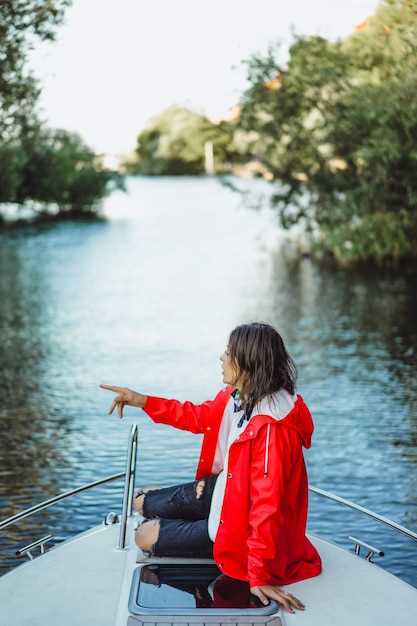
Set the bow rail as the sunrise photo point; arrive 30 minutes before first light to catch the blue hour. Use exposure compensation to preserve sky color; lower ISO for clean texture on calm water. This moment creates a lifetime memory for crew, guests; this simple setup can teach one where light arrives.
Open deck provides multiple compositions: horizon from stern for silhouettes; beams of light on rigging offer contrast; flybridge yields panoramic shots of destinations during the tour; exploring different types of shots becomes easy when bringing a zoom lens.
Evening lighting strategy: set white balance to 3200 K for dusk; shift to 4000–4500 K as lamps glow; listen to the waves, a calm cadence guiding each frame.
Night photography: keep horizon level, shoot RAW, bracket exposure; which settings yield best mood depends on moon phase, city glow; sea conditions.
Lay a sleeping mat on open deck; listen to waves; enjoy a calm breeze; tying small lines for safety; bringing a ball for a light toss; galley can run a cooking demo to amuse guests; a compact projector shows a movie for a cozy vibe; lifetime memories form from such simple rituals.
Exploring different routes: whether mellow day cruise or bold night tour, each destination offers a distinct mood; bringing spare battery, weatherproof jacket expands options; wakeboarding opportunities arise when water conditions permit, which suits active ones aboard.