


 العربية
  English (UK)
  Русский
  日本語
日本語  한국어
한국어  Magyar
  Türkçe
  Español
  Čeština
  Svenska
  Português
  Ελληνικά
  Suomi
Suomi  Nederlands
  Română
  Italiano
  Français
  Polski
  Українська
  Deutsch
  简体中文
简体中文  Slovenčina
 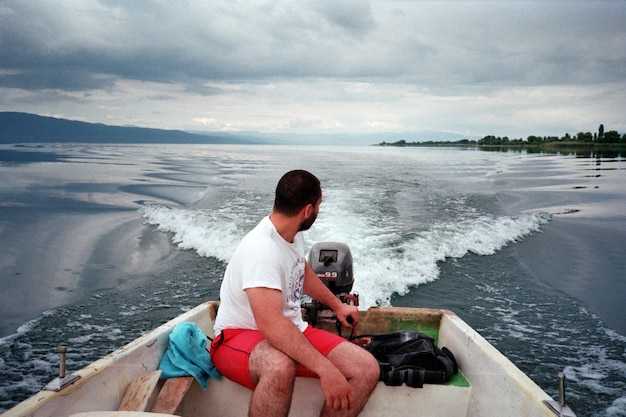 10 Best Fishing Trips for Your Bucket List | Ultimate Angling Adventures">

Start with a summer expedition in the everglades, located in a vast wilderness area, guided by a world-class guide oliver. Licenses are needed, but the process remains straightforward if you register ahead. This opening move gives a unique opportunity to observe bodies of water and wildlife from sheltered mangroves.
The route spans outer mangrove creeks and west backwaters, where a jungle vibe meets clear water bodies. A couple of hours of trolling can yield prize snappers or tarpon depending on the tide; bring a light gear kit, plus a dependable bait supply.
For gear and setup, bring a compact boat, a dry bag, and a set of lures suited to different water bodies; early morning and late afternoon in the summer deliver the most action. Stay hydrated: drink water regularly and snack with simple energy options; always carry sun protection and a compact repair kit.
Located near accessible area boundaries, some routes offer a chance to learn knots, casts, and drift tactics; your shots of success come when you adjust the bait to current and target species. A licensed operator ensures compliance with area regulations and provides licenses and safety guidance.
Some travelers come seeking a mix of adrenaline and quiet reflection; others aim for the solitude of river mouths and tidal canopies. Oliver’s crew offers unique routes, flexible scheduling in summer, and safety-conscious planning that respects wildlife. The opportunity to combine outer settings with remote jungle pockets yields a balanced, world-class learning curve.
10 Best Fishing Trips for Your Bucket List: Ultimate Angling Adventures – Fly-Fishing Lodge Owners
Recommendation: this lodge recommends guided mornings on dependable streams and practical camping options, helping balance cost with value.
1) Mille Lacs, Minnesota – bays and vast lakes yield snapper, walleye, and muskie; late spring into early summer bring steady action; camping and lodge packages are listed on the website, with options to upgrade to guided days, affecting cost.
2) Kenai River, Alaska – remote streams and fjords provide serious runs of rainbow and silver salmon; guided days are efficient, with cabin or camping options that keep cost accessible when booked early, lengthening daylight into long evenings.
3) Queen Charlotte Islands, British Columbia – bays, inlets, and clear lakes deliver snapper and cutthroat; late-season bites reward steady patience; the on-site camping and services team keeps gear in top condition.
4) Patagonia, Argentina – windswept rivers and private lakes offer active pursuit of brown trout; Oliver leads multi-day itineraries; wasnt easy accessing these backcountry routes, wildernessas settings and camping align with serious, unplugged experiences, where anglers reeled memorable catches.
5) South Island, New Zealand – alpine rivers and tranquil bays yield big rainbow and brown trout; cost-conscious travelers appreciate bundled lodging plus guided days, with hawk guides leading into remote valleys.
6) Baja California, Mexico – bays and lagoons along the Sea of Cortez host snapper, roosterfish, and jack crevalle; late-season windows deliver solid value, with camping and Brandes Lodge services ready today.
7) Newfoundland streams, Canada – headed into remote rivers amid granite shores deliver speckled brook trout and hearty runs; journalists from local publications profile this initiative; cost-friendly bundles exist, with camping near coastlines.
8) Missouri River valley, Montana – guided float days traverse big water, yielding bass and catfish; couch-friendly lounges and fresh-food menus accompany lodging, with consistent runs and versatile opportunity.
9) Iceland highlands – glacial rivers and tundra push stamina; multi-day stretches bring Arctic char and sea-run trout; guides run efficient routes into deserted valleys, with cheap camping and on-site food options.
10) Adirondack Park, New York – lakes and streams sustain brook and lake trout; Oliver’s crew coordinates day-by-day moves, including car-camping and lodge-based meals; the opportunity to combine wilderness hikes with catch opportunities increases today’s appeal.
Curated Bucket-List Fly-Fishing Journeys from Lodge Experts
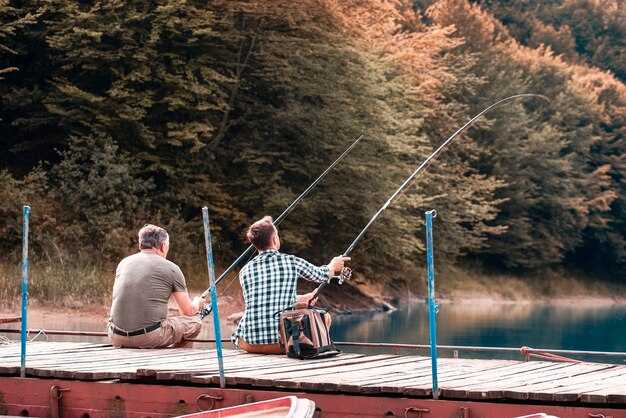
Choose mid-june coastal run featuring halibut action, staying at a lodge with an experienced guide team.
-
Kenai Peninsula, Alaska – Six days of guided, coastal casting in a destination known to yield big, patient halibut and silver salmon.
- الطول: 6 days
- Spot: main fishing grounds about 12 miles offshore; anchor near shelf edges under expansive skies
- Stay: Endurance Lodge, three nights; cabins with wood stoves, heated showers, and a deck to enjoy a post-tide drink
- Guide: oliver leads the morning runs; Pulaski association coordinates backups; less crowd on midweek days
- People: small groups of 4–6 avid anglers; among them, several have logged 100+ days each season
- Costs: spending typically in the 3.0k–3.5k range per person; lodging, boats, meals included
- Benefit: high success rate during peak windows; scenery and wildlife add natural value beyond casts
- Logistics: campgrounds near inlet provide low-cost options if staying extra days; next-day charters depart at dawn
- Note: after this leg, guests often extend stay to explore nearby glacier bays
-
Deschutes River, Oregon – Drift-casting expeditions
- الطول: 5 days
- Spot: Maupin tailwater; constant flow yields consistent action; within 60 miles of Bend
- Stay: Bend-area lodge; optional campgrounds among spruce groves
- Guide: local crew; oliver coordinates morning sessions; boat options include smaller drift boats and larger launches to match water depth
- People: small groups; avid anglers; family groups join during weekends
- Costs: spending around 2.8k per person; lodging and guided sessions included; meals extra in some options
- Venture: This venture taps into a capital pool of established lodges to guarantee reliable logistics
- Benefit: steady action; natural scenery; reduced pressure using catch-and-release norms
- Logistics: within a day’s drive of Portland; after the trip, a day in Bend adds value; destination features a robust guide association; camping options abound among aspen groves
-
Baja California Sur – Flats-and-drift voyage
- الطول: 6 days
- Spot: Mulege and La Paz environs; flats for bonefish and permit-like species; access via smaller skiffs and larger launches
- Stay: boutique lodges with optional campgrounds on shore; after each day, sunset drink on the deck
- Guide: local crew, with association partners coordinating charters; oliver mentors morning shifts across zones
- People: avid crews; couples and long-standing pairs join; next-season slots book quickly
- Costs: spending around 3.0k–3.6k per person; lodging and guides included; meals separate in some options
- Destination: a warm destination with clear water and abundant flats; less traffic than top Atlantic ports
- Benefit: year-round warmth, natural beauty, great casting opportunities, and nearby campgrounds among dunes
Alaska Kenai River: Best months, gear choices, and lodge booking tips
Target late May through July as peak windows; hire reputable guides and secure outer lodges well in advance; plan a sequence that balances river stretches and nearby waters. There are a dozen classic pools along the Kenai that serious anglers chase; the mountains frame each dawn, and the scenery adds a powerful backdrop to every shot.
Annual cycles bring king salmon, sockeye, and silver in waves; sockeye peak mid-summer, kings surge in June, and late-season silvers arrive August. These shifts shape daily opportunities and make these windows ideal for consistent action, even when weather shifts quickly. The river bites with these patterns year after year, and water clarity often guides where to swing and cast.
Gear strategy blends versatility and rugged reliability. Rods in 8–9 weight cover king prospects; 7–8 weight handles silvers; line options include floating with sinking-tip rigs; leaders 12–20 lb to handle silvers, 20–40 lb to handle kings; reels with clean drag; lures include spoons, plugs, and dodgers; roe sacks or scented lures provide bait options; chest-high waders, studded boots, pliers, multi-tool, spare spool, and a couple extra gloves; always carry a spare line and a small dry bag.
Booking tips: select award-winning lodges near main river access; work with reputable guides; check the local association for updates on access and season; cermele’s notes emphasize clear itineraries and flexible days; plan an annual stay of several days, with a rest day to visit mountains or coastal waters; outer access reduces drive time after mornings; confirm transport from the airport and available service; lock in a couple of options in case weather blocks water time.
| Period | Target species | Gear notes | Lodge tips |
| May–July | King salmon, Sockeye | 8–9 wt; 20–40 lb leader; floating line with sinking tip; roe sacks or spoons; chest-high waders; pliers; spare line | Award-winning lodge near river access; reserve through reputable guides association; outer Kenai access |
| July–Aug | Sockeye, early coho | 7–8 wt; 10–16 lb tippet; dodgers and spoons; backup line | Ensure airport transfer; select an operation with strong service and flexible itineraries |
| Aug–Sept | Coho, late kings | Versatile setup; consider a heavier line for depth; tide-aware tactics | Ask for a couple guides; plan a visit to nearby mountains or waters |
| Saltwater add-ons | Halibut, trevally, snapper | Heavy tackle; sturdy reels; longer leaders | Sanibel-style gear comparisons; work with association-approved service |
Patagonia Rivers: Prime seasons, guided packages, and lodge stays
Begin with an early-season plan in southern Patagonian waters: target post-spawn runs on Futaleufú and nearby streams. Hire a local guide and book a lodge within a short walk of the river; this setup minimizes weather delays and keeps you close to action. With snowmelt fueling the current, a 30lb specimen is not rare on big pools, and mornings bring productive casts in clear air.
Prime seasons run from late spring through early autumn, when days stay long and water clarity improves after rains. December through March in the Futaleufú basin offers reliable action, while February to April in the Santa Cruz region delivers big brown and rainbow runs. Fly-fishing remains the centerpiece, with trolling used on deeper pools from a boat when currents permit. Black streamers and bright flies invite aggressive takes, and there each river presents its own rhythm.
Guided packages include a licensed guide, a boat or raft, daily casts, and a river-side lodge with meals and secure gear. Most itineraries feature long days on water, with rest breaks at the lodge to discuss line choice and bank strategy. There, guides explain how to read flows, also discuss line choice, how to position a cast, and how to present a spear-like streamer when depth dictates.
Lodge stays offer comfort after long days on the streams: warm rooms, hearty meals, and gear rooms for spare leaders and flies. Some properties sit above key channels, with views toward an atoll-like island and easy access to launches. Visiting anglers can mix days on water with local culture, markets, and short hikes around the surrounding valleys.
Travel hints: travelers from oklahoma or other continents commonly add a Patagonia leg to world-wide dreams, with visitors from africa joining. Cheap rental options exist for basic gear, but quality gear makes a noticeable difference in long, windy days. Pack flies suited to the region, including black and olive patterns, and bring extra leaders, a dependable wading belt, and a spare reel. There, early mornings, changing conditions, and the sense of immersion make every day memorable.
New Zealand’s Mataura River: Seasonal windows, access, and lodge inclusions
Book a three-night, three-guide package at a wilderness lodge along the Mataura to maximize seasonal windows and access flexibility.
Seasonal windows
- Upper Mataura: water cools gradually into autumn; April–May and September–October deliver lower, more predictable flows; water here runs fairly flat near the edges, offering easy landing transitions. Golden hours over the flats create prime scenes, while predatory browns patrol and engage in quick chases after rising insects.
- Mid to lower Mataura: spring through early summer bring higher and more variable runs; after rain, the water clears and insects emerge in waves, so anglers chase takes from rising fish; perhaps the west bank offers calmer beats and repeatable scenarios as flows settle.
- Seasonality note: past years show two reliable windows–April–May and September–October–when air is comfortable and hatch activity aligns with anglers’ routines; those sessions can be long but, if winds rise or rain returns, some days become difficult and require adjustment.
Access
- Getting there usually starts in Invercargill or Gore; a two-hour-plus drive brings you into the Mataura valley and to river landings. Lodge staff arrange a seamless landing and a short transfer to the water, making the start easy and well organized.
- On arrival, gear is handled by the team; a quick safety briefing precedes the first move toward a chosen pool or run, with a ready pole setup and clear launches at designated landing points along the river.
Lodge inclusions
- Three guided days with a dedicated guide; Diego leads many itineraries, drawing on experience from Wisconsin and other western destinations to tailor patterns for Mataura conditions; accommodations are well appointed with west-facing river views and direct access to a private landing.
- Meals, beverages, flies, leaders, and tippet are provided; waders and boots can be supplied, and gear can be swapped as needed; a comfortable lounge, warm drying area, and a swim option after sessions add to the routine.
- Transfers from Gore or Invercargill are included; the route traverses alpine valleys toward golden river corners, with possible side trips to nearby destinations for variety; perhaps you add extra days to chase different pools and hatches, really expanding opportunities on the water.
- Cost perception varies; the package can be expensive, yet the value comes from exclusive access to prime pools, guided support, and a setting that feels Amazon-like in its wilderness isolation and serenity–destinations along the Mataura that many talk about long past the trip itself.
- Thanks to the staff and guides, the experience tends to be memorable; a few words from past guests highlight the sense of running water, golden light, and a straightforward, well-managed schedule that suits those seeking a quiet, high-skill getaway on this river.
Iceland’s Laxá River: Salmon fishing timing, weather considerations, and lodge services
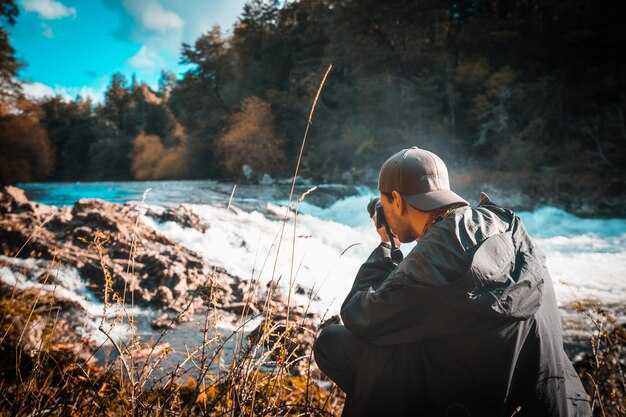
Book a stay during the prime window–mid-July to early August–and ensure one’s beat is booked with seasoned guides; this setup maximizes salmon encounters and offers multiple brown opportunities.
Salmon timing on Laxá centers on late-run fish moving through the main channel in the early mornings and late evenings; expect a dozen chances across several days when flows are stable and visibility is good.
Weather is highly changeable; mornings can be crisp, afternoons mild, with rain showers common in summer. Pack layered pieces, windproof shells, and waterproof boots; a hat and gloves help when the breeze from the Atlantic picks up.
On-site lodge services include full-board meals, private transfers from Keflavík or Akureyri, dry-room storage, and boats in the beats; guides are fluent, and a captain coordinates drift moves; gear and fly-ties are available on a loan or rental basis.
Salmon is the main target; browns are a welcomed addition on quieter pools; in high season, excellent runs appear in the upper stretches, paired with superb scenery and unforgettable line-hand opportunities.
Prices cover lodging, guiding, and meals, but extra fees apply for day permits and transfers; there are thrifty options if booked well in advance; some spots fetch premium rates during peak weeks, so plan ahead and visit the lodge early to secure a slot.
America-bound visitors often come to Iceland seeking a different rhythm, and the crew includes captain Noyes who joined the team recently; his hand-cast technique and steady line work yield consistent shots and memorable moments on the riverbank.
Booking ahead matters–the main challenge is securing a private beat and a seasoned crew, but the payoff is an awesome blend of timing, weather, and service that makes the overall experience highly satisfying for any angler who loves a disciplined, rewarding session in a famous spot along a river that never ceases to surprise.
British Columbia Skeena River: Steelhead timing, local guides, and lodge partnerships
Reserve a February–April guided Skeena steelhead program with a reputable lodge partner to secure steady takes and reliable outcomes. Packages typically include two guided days and three lodge nights, minimizing long walk between pools and easing transfers for visiting anglers from north regions and even from oklahoma. This approach keeps logistics tight, while guides adapt plans or scratch adjustments when water runs high or when gear snags.
Timing and access matter: steelhead in the Skeena travel from the ocean into the river system, with the prime window concentrated mid-February to March as flows stabilize and water temperatures climb. According to guides, catches stay solid through April in the mainstem and key creeks. Some pools are located within a short walk from the lodge shore, while others require a guided float or a quick shore shuttle. Christmas and other holidays can affect availability, so plans should be locked in early to avoid conflicts.
Local guides located along the north coast coordinate with lodge partnerships, and this arrangement demonstrates a seamless experience that minimizes downtime between drifts and shore stops. Plans typically include two days afloat, creek-side demonstrations, and contingency options if water conditions shift. Guides know access points that aren’t snagged as often and can target pockets with high probability of silvers and browns.
Licenses and costing: Freshwater licenses are required; steelhead-specific designations apply in many zones, and guides secure permits on your behalf when possible. Need to check current regulations; costs are modest, and the package typically lists licensing, guided days, meals, and transfers as a bundle. Visiting anglers should plan for 3–4 days; a typical program costs roughly CAD 1,000–1,400 per angler, depending on season and lodge level. Ensure you obtain a license before you cross the cape and head toward kamchatka in comparison terms to illustrate timing differences with ocean-run fisheries.
Bait and gear: your guide will provide gear in most packages; expect barbless hooks and options for spawn bags, flies, and natural baits limited by regulations. If you bring your own, ensure licenses and bait rules; some areas require only artificial lures. The plan is to avoid snagged gear and maximize takes. The area hosts silvers and browns, as well as whitefish in nearby lakes, with occasional smallmouth near outlet creeks. Cats isnt a target here, as isnt common in Skeena; focus on riverine runs and ocean-bright steelhead. The overall experience remains unique for the north coast and remote lodges.