


 English (UK)
  Русский
  العربية
  日本語
日本語  한국어
한국어  Magyar
  Türkçe
  Español
  Čeština
  Svenska
  Português
  Ελληνικά
  Suomi
Suomi  Nederlands
  Română
  Italiano
  Français
  Polski
  Українська
  Deutsch
  简体中文
简体中文  Slovenčina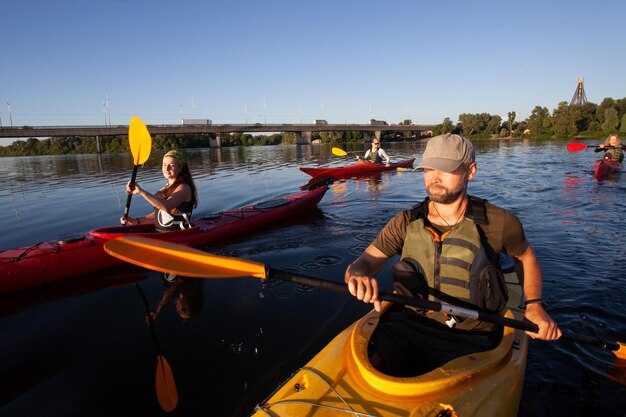

Book a guided mangrove kayak tour in the bradenton area as the best way to start your Anna Maria Island vacation. If you are looking for an easy, engaging option, these tours welcome groups and family paddlers, use small boats, and offer safe, soft-paced paddling through shallow channels.
Glide through the mangrove channels and you may spot dolphins, birds, and other animals playing in the shallows. Guides explain how the roots protect shorelines and nurture juvenile fish, giving you something new to learn about the island’s marine ecosystem.
Florida state regulations require life jackets for all paddlers; operators supply properly sized vests and give safety briefings before departure. For a confident outing, prioritize safety and choose a route that matches your group’s experience. A brief safety check helps everyone stay comfortable on the water.
For groups and family trips, book a single-guide tour to keep everyone engaged and in sync as you move through calm channels, away from crowded shorelines. After the paddle, many operators offer a shore stop so you can return with photos and stories for your bradenton community.
Most tours last about 2 hours and cover 2–4 miles depending on wind and tide. It takes a few minutes to check in and outfit everyone, then the guide leads you along the ideal route circling a quiet mangrove grove, with a final stop on a sandy shoreline where you can snack and plan your next swim at the island’s edge. If you are aiming to see wildlife, morning departures tend to yield more encounters.
Plan Your Kayak Adventure on Anna Maria Island
As requested, start with a clear tip: rent a stable, lightweight kayak from a local outfitter at sunrise to catch calmer waters and clearer wildlife views on Anna Maria Island. Pair this with an eco-tour that highlights habitat and the natural networks around mangroves, seagrass, and shallow reefs. Expect the calmest sections near island shores early, and look for birds skimming the surface as you approach the islands for an unforgettable day.
Plan routes with 2-3 hour windows to dodge crowded times; route options include egmont Key and sheltered mangrove coves plus barrier flats that offer varied scenery. Start from the west side near Holmes Beach and paddle toward egmont Key, then loop back along sheltered creeks to keep exposure to crowds low. After paddling, hop on a bike for a quick ride along the coast, then try a mexico-inspired eatery for a casual meal. For families, choose shallow-water stretches to keep the experience safe and engaging for all ages while observing shoreline life and the islands’ geography.
Look for providers with reliable gear and clear safety briefings. A good service shows in gear checks and friendly guides. For a longer day, add a fort-site stop near egmont Key and finish with a banana-sized snack before returning. This plan showcases the beauty of island habitat and the coastline around the flats, delivering a fresh take on island exploration for the whole group.
Choose a Tour by Skill Level: Beginner to Advanced Options
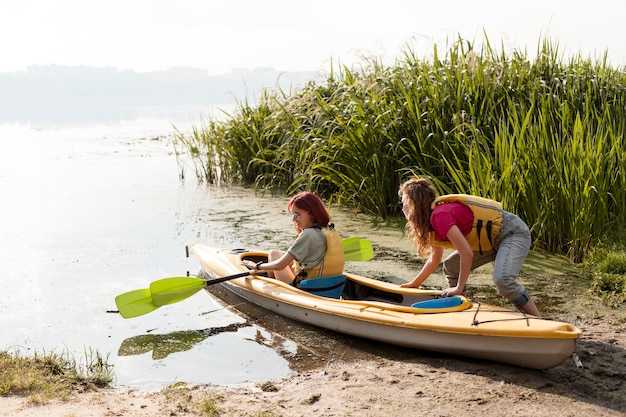
Recommendation: Start with a two-hour guided, flat-water paddle along the calm bays near Anna Maria Island, ideal for adults new to kayaking. This setup builds balance, helps you catch your rhythm, and brings you back to shore without stress.
Beginner sessions emphasize safe water and easy shorelines. Expect 1–2 miles of paddling over 60–90 minutes, with a licensed guide on hand for instruction and rescue basics. You’ll learn basic strokes, how to brace, and how to stay close to protected channels near mangroves. Wildlife sightings are common, especially dolphins feeding in the morning or late afternoon, and you’ll pass several parks and historic shoreline spots along the way. Rental options and charters are available from Bobbys and other shops, with a laid-back pace that suits first-timers. A short rest break often includes a snack–banana or water–before returning to your home base on the islands.
Intermediate trips extend to 2–3 hours and cover 3–5 miles with mild breezes from offshore directions. You’ll refine forward stroke, sweep, and reverse strokes, practice self-rescue drills, and build endurance for longer routes. Guides may include brief tempo changes to practice efficiency in light chop, while keeping a close watch on wildlife such as dolphins and birds along the historic coastlines. These tours explore a few more areas, including nearshore channels and smaller mangrove pockets, and you’ll have several photo opportunities for surreal waterfront views. Rentals and guided options from local shops offer flexibility for a mid-day return to your hotel or rental home.
Advanced tours push 4–6 miles or more with stronger winds, current, and open-water segments. Paddlers should have solid strokes, good balance, and experience with self-rescue in moderately active conditions. You’ll encounter varied water depths, tidal changes, and longer crossings between islands, with emphasis on efficiency and speed. The route often includes a longer return leg at sunset for dramatic light over the gulf and a final stroll along historic docks. These trips pair well with exclusive charters and boutique rental packages for a small group, providing premium access to pristine areas and quiet backwaters where you can observe dolphins at closer range and catch the soft colors of evening. Shops and marketing partners on the island support several options that fit a more ambitious purpose, including private guides and tailored itineraries.
Regardless of level, plan for a flexible return window and choose a route aligned with your goals–wildlife watching, photography, or simply mastering new skills. Whether you’re starting with a laid-back beginner session or stepping into an advanced challenge, Anna Maria Island offers several, well-supported choices led by licensed guides and outfitted by trusted shops along the islands.
Time Your Trip: Best Tide and Weather Windows
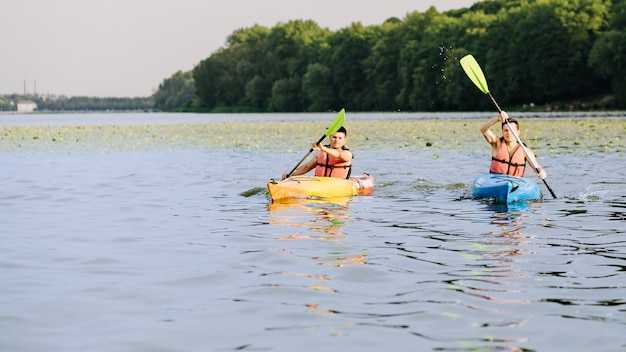
Plan your kayak outing for the two hours around low tide on a calm, clear morning to access shallow flats and see more wildlife; this approach creates a relaxed atmosphere and supports wellness on the water.
There are three practical windows that boost safety, scenery, and ease of paddling:
- Best tide window: aim for roughly two hours before low tide through one hour after low tide. This exposes mangrove channels and marsh edges, increasing wildlife sightings and water depth for first-time paddlers.
- Weather window: look for light winds from the east or northeast, typically under 12 mph, with a dry, sunny forecast. Avoid midday heat and passing afternoon showers to keep pace with your group and maintain visibility of attractions near the shore.
- Seasonal pattern: winter and spring mornings are often the calmest; late spring and early fall bring pleasant temperatures and gentle breezes. Summer mornings can be forgiving but moisture rises, so choose the earliest slot to stay comfortable.
Logistics and planning: from the airport, drive to Anna Maria Island typically takes 30–60 minutes depending on terminal and traffic. There, there are many charters and rental shops offering eco-tour options and stand-alone paddles; prices range from dollars 25–60 per person for self-guided rentals to dollars 120–200 for guided eco-tours. Some operators offer exclusively designed sunrise packages that sell out quickly. If you stay near palma or pine flats, shade from palma trees and pine stands makes a relaxing post-paddle break even more enjoyable.
What to bring and on-site tips: pack lightweight layers, sunscreen, water, a picnic, snacks, and a compact dry bag. Wear a properly fitted PFD and check wind forecasts the morning of your trip. A thoughtful route takes you through nearshore mangrove tunnels and allows pauses for reflection and a short relaxation break, making the entire experience smoother and more memorable.
Tips for a smooth outing: choose a suitable route for your skill level, map the channels, and consider a guided eco-tour for deeper learning. There, you’ll appreciate the atmosphere and the unique setting on the water, with there being plenty of safe launch options and friendly people ready to help.
What to Pack: Gear Checklist for AMI Kayak Tours
Pack a compact dry bag with a few must-haves for AMI kayak tours.
Sun protection is non-negotiable. Include a breathable sun shirt, a lightweight rain shell, quick-dry shorts or pants, water-friendly footwear, a wide-brim hat, and sunglasses with a strap to prevent loss on chop.
Stay safe with a snug PFD, a compact first-aid kit, a whistle, and a waterproof map or phone case. For early or late departures, pack a small flashlight or headlamp and extra batteries.
Hydration drives performance. Carry a reusable bottle with at least 24 ounces and consider electrolyte mix in warm weather. Include energizing snacks that travel well, such as nuts, trail bars, or dried fruit that won’t crumble in the cockpit.
Protect your gear with a dry bag inside the cockpit and a compact camera or phone in a waterproof pouch. Bring binoculars for shorebird spotting and other sea life, plus a microfiber towel for post-tour refreshment.
For younger paddlers, pack extra sunscreen, a spare hat, and light snacks, plus a plan for regular breaks. Choose guided trips that match skill level and provide clear safety briefings before launch.
Respect the environment by packing out waste and avoiding any contact with animals or sensitive habitats. Rinse your gear after the ride at your lodging or a nearby hose station, then dry everything before storing.
Ask the launch point team for a tailored list based on the water conditions and tour duration. They can point you to a nearby shop or rental desk to pick up gear if you are missing items, and share tips about spots to explore afterward along the shore, with recommendations for family-friendly breaks and places to unwind after the paddle.
Safety First: PFDs, Briefings, and Local Rules
Always wear a properly fitted PFD on every kayak trip, snug at the shoulders and waist with the whistle accessible. Inspect the PFD for tears or foam compression, and replace any worn item. Confirm your PFD is U.S. Coast Guard–approved before you launch.
Before launching, join a local safety briefing led by an outfitter, park staff, or marina crew. The briefing covers PFD use, signaling, and designated lanes for non-motorized craft. Most participants walk away with clear guidance on state and maritime rules, no-wake zones, and the right-of-way near fishing boats. Bring a small map or download a guide to reference during the day, and note emergency contacts and the location of the nearest shelter.
Know the area: Anna Maria Island is a maritime village with various channels, shallow flats, and reefs. Use a map, tide tables, and wind forecasts; plan to return before dark. Look for posted signs about protected areas and seasonal restrictions. At sunset you may see an incredible array of boats, street life, and shoppers along the water. Be mindful of fishing zones and permitted times for boats and bikes along nearby streets.
Equipment checks: whistle, signaling device, spare paddle, and a dry bag with a compact first-aid kit. Ensure a light is charged for low-light paddling. For groups, assign a lead and a back-sweeper to monitor weather and ensure everyone stays together.
Annual refresher programs and international guidance help keep skills sharp. If weather shifts, head for shore and contact local authorities or your guide. Log your route and time on the water for safety records. When paddling near fishing boats, stay well clear of lines and give wide berth in busy channels; respect slow speeds in high-traffic lanes. Looking to improve? Use this framework to keep adventures on Anna Maria Island safe and enjoyable.
After you finish, celebrate with seafood at a marina-side restaurant or in the village; stroll the sunset promenade, browse shopping spots, or rent bikes along the street. This balance of discipline and vivid vibes makes adventures on Anna Maria Island feel surreal.
Getting There and Meeting Points: Parking, Rentals, and Check-In
Park at the Holmes Beach marina lot and arrive 30 minutes early to finish check-in within about an hour. Registration desks open 15 minutes before departure, and most gear is available on-site. Bring a photo ID and the name on your booking to speed the check process, and note that you can add a kid-sized PFD if requested in advance.
On-street parking along Gulf Drive and Pine Avenue is common, with several metered spots near the docks. For a guaranteed space, use the marina lot or one of the paid lots near Coquina Beach. Arrive by 7:30–8:00 AM to avoid crowds, and all tours- depart from the same dock area for a straightforward meetup.
Rentals for kayaks, PFDs, dry bags, and paddles come from local shops within easy reach of the meeting points. The rentals- desk opens 30 minutes before first departure, and you can reserve gear online or by phone. If youre visiting from palma, orlando, or tampa, you can pick up your kit here and head straight to the water with a great sense of ease. For groups, we offer multiple boats and add-ons, including tandem kayaks for families.
Meet at the dock behind the Shops along Pine Avenue in Anna Maria, marked with our tour- signs. The heart of AMI lies in the friendly locals and the pleasant vibe of dining and shops nearby. If youre coming from orlando, tampa, palma, or florida, allow extra travel time; signs along the causeway guide you to the AMI waterway. Our guides offer several options for paddlers of all levels, and you can often spot dolphin just off the shore as you head out. The process runs smoothly with friendly check-in and a quick safety briefing. After the session, you can take a sunset stroll along the pristine shore, or explore shops that line past the marina.