


 English (UK)
  Русский
  العربية
  日本語
日本語  한국어
한국어  Magyar
  Türkçe
  Español
  Čeština
  Svenska
  Português
  Ελληνικά
  Suomi
Suomi  Nederlands
  Română
  Italiano
  Français
  Polski
  Українська
  Deutsch
  简体中文
简体中文  Slovenčina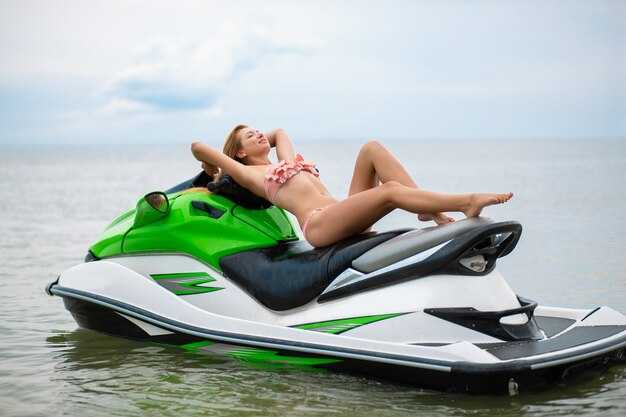

Recommendation: Pick a compact three-cylinder cruiser with reversebrake and ready accessories to maximize value, especially if you plan frequent dive-in sessions on lakes near home.
In the current market, a practical entry option with a three-cylinder powerplant delivers around 100–170 horsepower, enough for casual cruising and short fishing trips near shore, while staying within a great purchasing budget of roughly $8,000–$12,000 for new units and $4,000–$8,000 for solid pre-owned samples.
Look for offerings near the lower end of the price tier that provide a well-balanced hull, generous storage, a cooler compartment, and cockpit comfort designed for extended explore days with family; the feeling of stability matters when you dive-in from the dock and head toward coves near home.
For value, select a model with a practical accessory package: dry storage, an integrated cooler space, tow hooks, and a simple electrical kit; these accessory options add versatility without inflating the price.
Before purchasing, verify the service network near your home, check potential maintenance costs, and insist on a thorough test ride to assess handling and the responsiveness of the reversebrake system; examine the hull for scrapes and ensure the engine runs smoothly.
In the end, pick a craft that aligns with your plans: calm lakes for fishing, family cruising, or adventure inlets to explore; a solid, well-chosen setup would deliver reliable performance, a comfortable feeling, and room to grow your purchasing confidence.
Capacity
Choose a craft with a payload around four hundred fifty to six hundred pounds to cover two adults with gear. Favor built-in ballast and flexible seating configurations that balance weight in each setup, delivering easy handling during turning and at trolling speeds, there even in chop.
There are two common seating patterns for capacity: two-up layouts and larger three- or four-person arrangements. Each configuration shifts weight, so opt for a rating higher than your planned load. Heavier hulls stay steadier for fishing setups than lighter options, but they may take more throttle to plane. A superjet-styled hull tends toward quicker turning and lighter weight, which can affect stability in chop. For buyers who were seriously considering frequent two-up trips with gear, payload margins matter and should drive the choice.
For anglers, a built-in finder or sonar interface matters; some fishpro-equipped trims integrate a compact display that stays readable when you add tackle and a cooler. That combination is unique because built-in electronics support precise trolling and fish-spotting. In practice, weight balance there affects speed, grip and turning at low speeds; players were seriously weighing stability versus agility.
Weight considerations: the final load should stay well under the maximum while leaving room for gear. A lesser payload option can feel lively and easy to maneuver, but you’ll want more margin if you anticipate frequent two-person trips with gear. The overview from manufacturers shows how payload interacts with storage, buoyancy, and towing compatibility for water skis.
Maximum Riders and Combined Weight by Model
Recommendation: For everyday use, choose a 3-rider model with a combined capacity around 600 lb to comfortably support a family, while preserving a stable width and easy start in mixed mode days.
Model A – Maximum riders: 3; Combined weight: 600 lb (272 kg); Width: 52 in; Seats: integrated, clean design; Class: rec-lite; Notes: known for smooth records on rough days; motor stroke is balanced, start is reliable in calm mode; property of this model is a stable stance that helps standing and handling along the handlebar.
Model B – Maximum riders: 2; Combined weight: 480 lb (218 kg); Width: 46 in; Seats: two; Class: rec-lite; Notes: slightly narrower footprint, easier to slot into docks; records show clean handling that suits single days or couples; ideal for desiring a lighter choice that still rides smoothly like cars on a coastline.
Model C – Maximum riders: 3; Combined weight: 650 lb (295 kg); Width: 54 in; Seats: 3; Class: rec-lite; Notes: wider width improves standing stability; great for days with moderate chop; integrated storage supports longer runs; known for an easy start and smooth ride that stays comfortable even when seas rough.
Model D – Maximum riders: 2; Combined weight: 520 lb (236 kg); Width: 48 in; Seats: two; Class: rec-lite; Notes: accessible option for new riders; start is precise and throttle response is predictable; comfortable enough for most days along with a compact footprint for easy parking.
Model E – Maximum riders: 1-2; Combined weight: 360 lb (163 kg); Width: 40 in; Seats: two; Class: compact; Notes: ideal for solo adventurers or couples; light to lift into water; clean seating and a small footprint meet a desire for agile choices along waterside trips.
Model F – Maximum riders: 2-3; Combined weight: 570 lb (259 kg); Width: 50 in; Seats: three; Class: rec-lite; Notes: integrated design supports comfortably handling days with chop; records show a solid balance of power and efficiency; standing and maneuvering are responsive via the handlebar; the motor mode remains controllable for beginners and seasoned riders alike, a true rec-lite favorite among sea-doos-inspired units.
Model G – Maximum riders: 3; Combined weight: 640 lb (291 kg); Width: 53 in; Seats: three; Class: rec-lite; Notes: best for family trips and longer outings; comfortable standing position and reliable start in varied conditions; records indicate smooth operation on days with gusty winds; sea-doos-like versatility without brand reliance makes this a robust choice for the whole crew.
Fuel Capacity and Estimated Range at Common Speeds
Choose a right amount of fuel capacity for weekend trips: 9–12 gallons typically yields about 60–100 miles at cruising speeds around 20–25 mph, with enough reserve for docking and fishing excursions. Knowing this helps you plan a quick checkout before leaving the window of operation.
-
Type A – Compact entry craft
- Fuel capacity: 5 gal (19 L)
- Estimated range at 20 mph: 40–50 miles
- Estimated range at 25 mph: 32–40 miles
- Estimated range at 35 mph: 24–30 miles
-
Type B – Light family runabout
- Fuel capacity: 7 gal (26 L)
- Estimated range at 20 mph: 55–65 miles
- Estimated range at 25 mph: 40–56 miles
- Estimated range at 35 mph: 28–40 miles
-
Type C – Mid-size performer
- Fuel capacity: 9 gal (34 L)
- Estimated range at 20 mph: 70–85 miles
- Estimated range at 25 mph: 55–70 miles
- Estimated range at 35 mph: 38–52 miles
-
Type D – Hybrid fishing-friendly
- Fuel capacity: 11 gal (41 L)
- Estimated range at 20 mph: 90–105 miles
- Estimated range at 25 mph: 65–85 miles
- Estimated range at 35 mph: 45–60 miles
-
Type E – Dual-seat cruiser
- Fuel capacity: 13 gal (49 L)
- Estimated range at 20 mph: 105–125 miles
- Estimated range at 25 mph: 80–100 miles
- Estimated range at 35 mph: 55–75 miles
-
Type F – Recreational single-engine
- Fuel capacity: 8 gal (30 L)
- Estimated range at 20 mph: 60–75 miles
- Estimated range at 25 mph: 48–60 miles
- Estimated range at 35 mph: 32–45 miles
-
Type G – Long-range touring model
- Fuel capacity: 12 gal (45 L)
- Estimated range at 20 mph: 110–130 miles
- Estimated range at 25 mph: 85–105 miles
- Estimated range at 35 mph: 60–80 miles
Notes for readers: ranges depend on payload, trim, and water conditions; adult riders on the higher end of weight, plus gear, can reduce numbers by 10–25%. Awards and apex-class options emphasize reliability and value, with mirrors and docking features that aid handling in tight spaces. Also, many units include standard storage to support fishing trips and day-use activities; read the guide to verify starting steps and power options, and know the window of planned use to avoid refueling overnights. Include a quick check of the water pump and cooling flow before each start, and keep the wallet ready for a short top-up if the plan calls for a longer ride.
Deck Storage Space and Cargo Carrying Ability
Choose a two-seat personal watercraft with a total stowage of at least eight gallons, distributed across bow, cockpit, and stern compartments; this setup keeps routine gear secure without sacrificing nimble handling, like a practical baseline, and still provides power to sprint after loading.
Storage layout specifics show how to maximize capacity: bow locker typically 15-25 L; cockpit locker 15-25 L; under-seat 20-40 L; stern hatch 5-15 L. Total cargo capacity typically 60-120 L (15-32 gal). Dry boxes and cargo nets are common engineering variations; the term stowage describes multiple compartments rather than one large bin. A dohc engine supports efficient layout by keeping weight closer to the center of gravity. With these variations, you can carry lots of essentials like PFDs, dry bags, and spare tools while keeping the deck uncluttered. For aquatic use, another practical approach is to deploy a small dry box near the steering area to quick-access items in routine launches.
Docking and handling require attention to weight distribution: heavy items should be stowed along the centerline or near the operator to maintain stability during docking and straight-line runs. Use reinforced tie-downs, grommets, and a simple routine to secure gear before every ride; improving your skill, this routine becomes second nature and helps new riders maintain control during busy waterway docking. A cargo net along the gunwale is a helpful option for keeping items in place. For watersports days, plan ahead using two lightweight dry bags for clothing and gear; this is a major boost to organization and reduces risk of items shifting at speed. A powerful hull helps accelerate after a launch even when cargo is loaded, but the key is how well the stowage space is integrated into the engineering design. In average trips, the mind stays focused on weight balance rather than cramming gear just because space allows.
Quick buying checklist: search for models with multiple stowage zones (bow, cockpit, stern), a robust dry-storage box, and an integrated cargo net; verify total cargo carrying ability in liters or gallons; consider typical daily load and trip duration; for frequent watersports use, opt for a deck designed to accept extra gear and a routine docking approach. If you encounter a deal, confirm that the hardware quality matches the claimed capacity, and that the stowage term aligns with your long-season use.
Seating Configurations: 2-Up vs 3-Up for Family Use
Recommendation: opt for a 3-Up configuration when you regularly ride with three people or need extra cargo; switch to a 2-Up setup for solo or two-person trips to maximize acceleration and maneuvering in tight spaces.
Stability and handling hinge on deck width and weight distribution. Three-occupant layouts increase width by about 8–12 inches and raise payload capacity, which helps stand and track in choppy water. For two riders, the lighter load yields quicker acceleration and a more responsive feel when turning, especially with electronically assisted throttles and a stand-friendly cockpit.
Storage and built-in features influence daily practicality. A 3-Up version typically provides more under-seat and cockpit storage to keep toys, life jackets, and snacks within reach, while two-seat layouts tend to have tighter built-in space. Facelift versions often bring improved reversebrake performance and better button-activated controls, making docking and slow-speed maneuvering easier. On average-year builds, there are variations in width and weight that affect performance and price; higher-end versions tend to be expensive and offer more gear geared toward family use.
| Aspect | 2-Up | 3-Up | Notes |
|---|---|---|---|
| Seating capacity | 2 riders | 3 riders | Payload varies with year; verify label |
| Deck width | ≈44–48 in | ≈52–56 in | Wider for 3-Up to improve stand stability |
| Payload capacity | ≈350–450 lb | ≈500–650 lb | Includes gear and kids; check specifications |
| Acceleration (0–30 mph) | faster with lighter load | slower with extra rider | Depends on powertrain and weight |
| Maneuvering | nimble; easier in tight spots | more stable at speed; less agile | Use electronically aided steering |
| Storage under seat | limited | more space | Built-in compartments help stay organized |
| Braking / Reverse | standard braking assist; some have reversebrake | same; versions vary by facelift | Enable easier docking |
| Weight of watercraft | lighter | heavier | Weight impacts performance and fuel use |
Towing, Gear Load, and Accessory Weight Limits
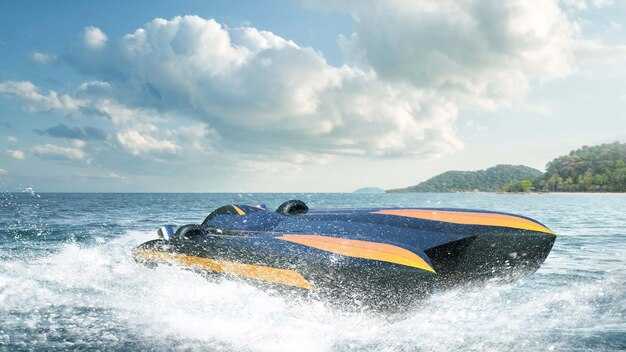
Recommendation: Never exceed the published payload capacity of your watercraft; keep combined rider weight, cargo, and towed gear within 75% of the limit to maintain stability and control, however, plan for a lean margin on days with rough water or added windage.
To calculate, take the base payload rating from the stock label or owner’s manual, add rider and passenger weights, add gear, and subtract any ballast you intentionally carry. Across the world, payload ratings vary by brand and year; further, versions differ in how weight is distributed. For versions commonly sold to entry users, the standard payload sits around 600–700 lb depending on the model, so always check the updated data for your exact year and variant since the curve of load versus performance shifts with hull design.
When towing, allocate 200–300 lb for line, tube or other towed gear, and keep load distribution close to the centerline to avoid handling problems; use the correct hook rated for watercraft and secure with a clip. If you are loading for competition or demo sessions, reduce towed gear to around 150–200 lb to preserve acceleration and turning response; otherwise, you risk overload and unsafe handling, which is against safe operation.
Weight in gear and storage should stay under 30–50 lb for dry bags or containers; heavier items belong in the base storage and kept in a watertight bag; distribute weight low and toward the center to avoid a wheelie tendency, and ensure that stock racks and mirrors remain adjustable and within reach.
Accessories: every clip, rack, or extra mount adds mass and windage; ensure all attachments are rated for watercraft use and compatible with the brand; check warranty implications before installing aftermarket hardware; if in doubt, consult the dealer and log the modifications in your account for future service days of the warranty period.
Testing and practice: use demo sessions on calm water to confirm your plan quickly; record an account of loads and outcomes over days and adjust plans accordingly. Choose environmentally friendly gear to reduce weight and emissions; otherwise, you risk performance problems in rough water or crowded harbors, in the world of recreational craft even small weight changes matter, like fish reacting to a ripple, so keep the weight budget tight.